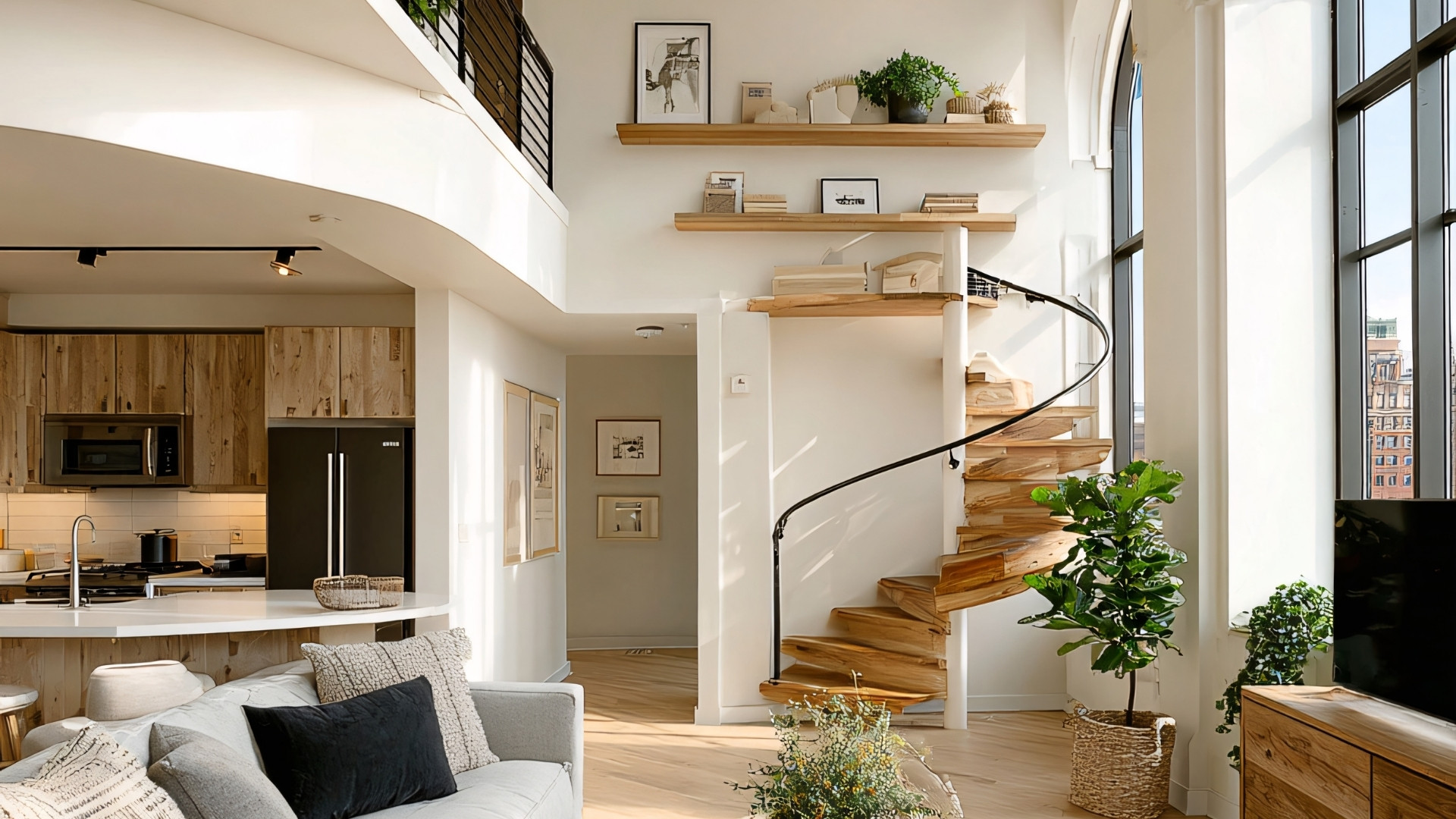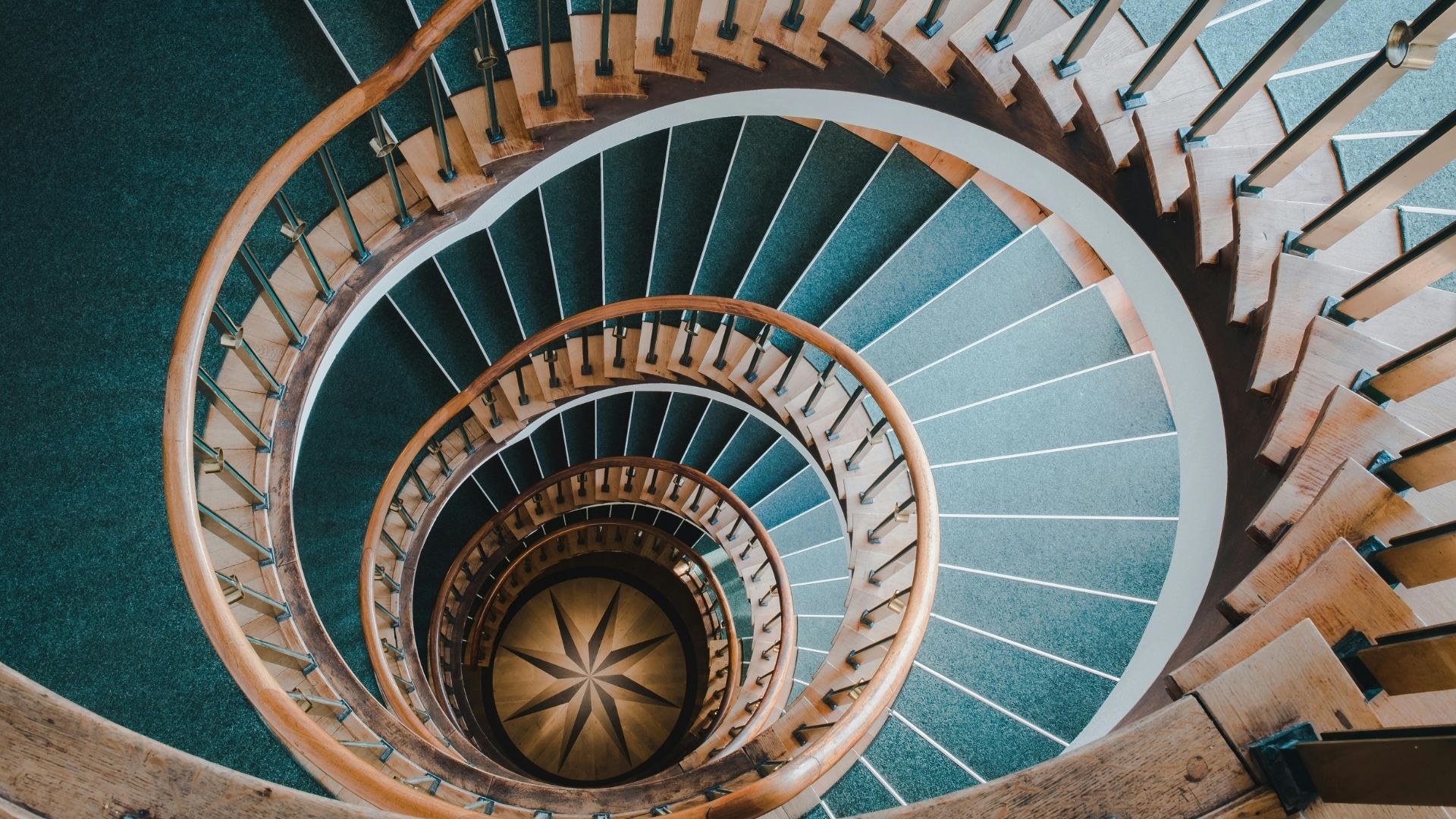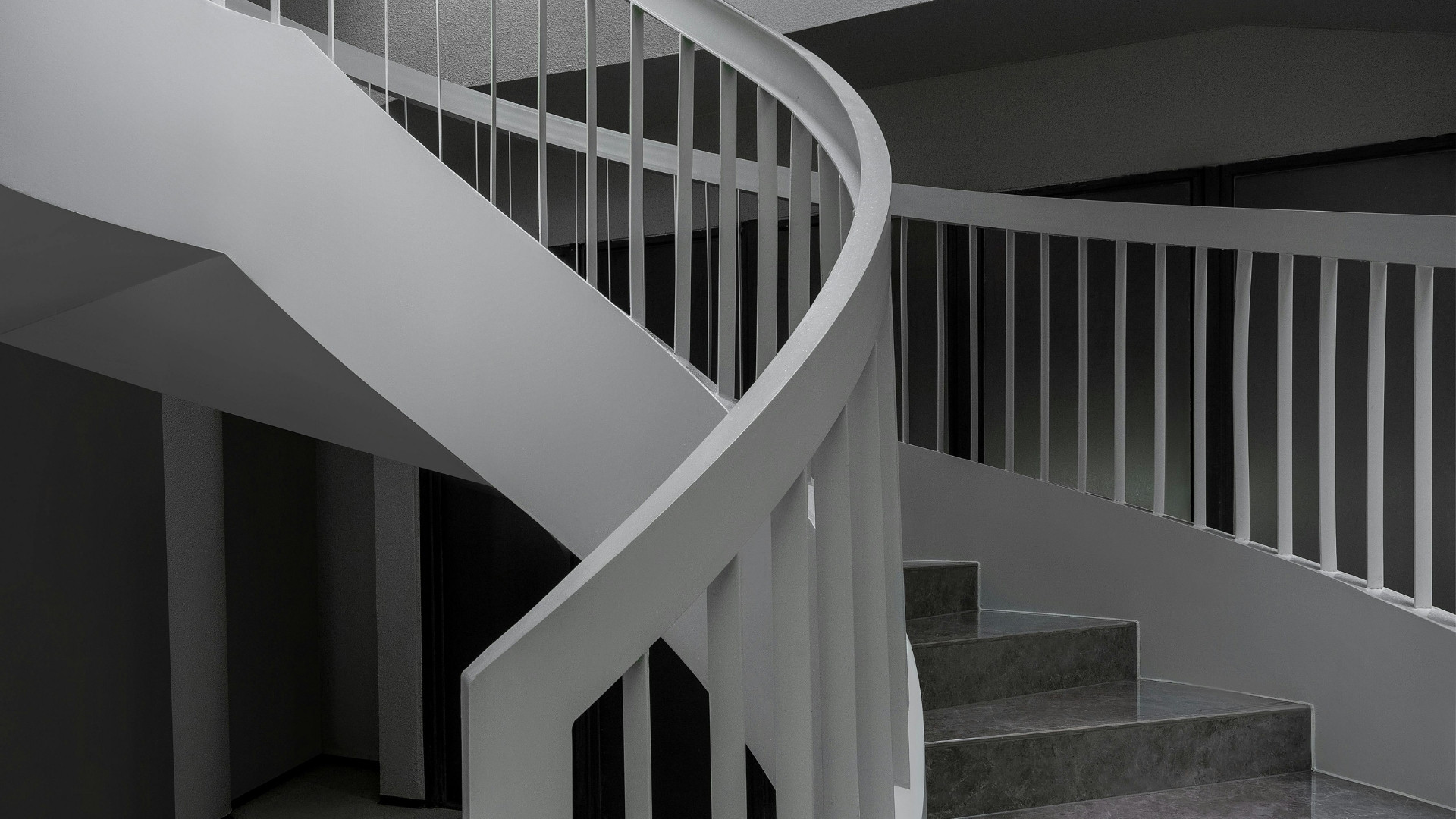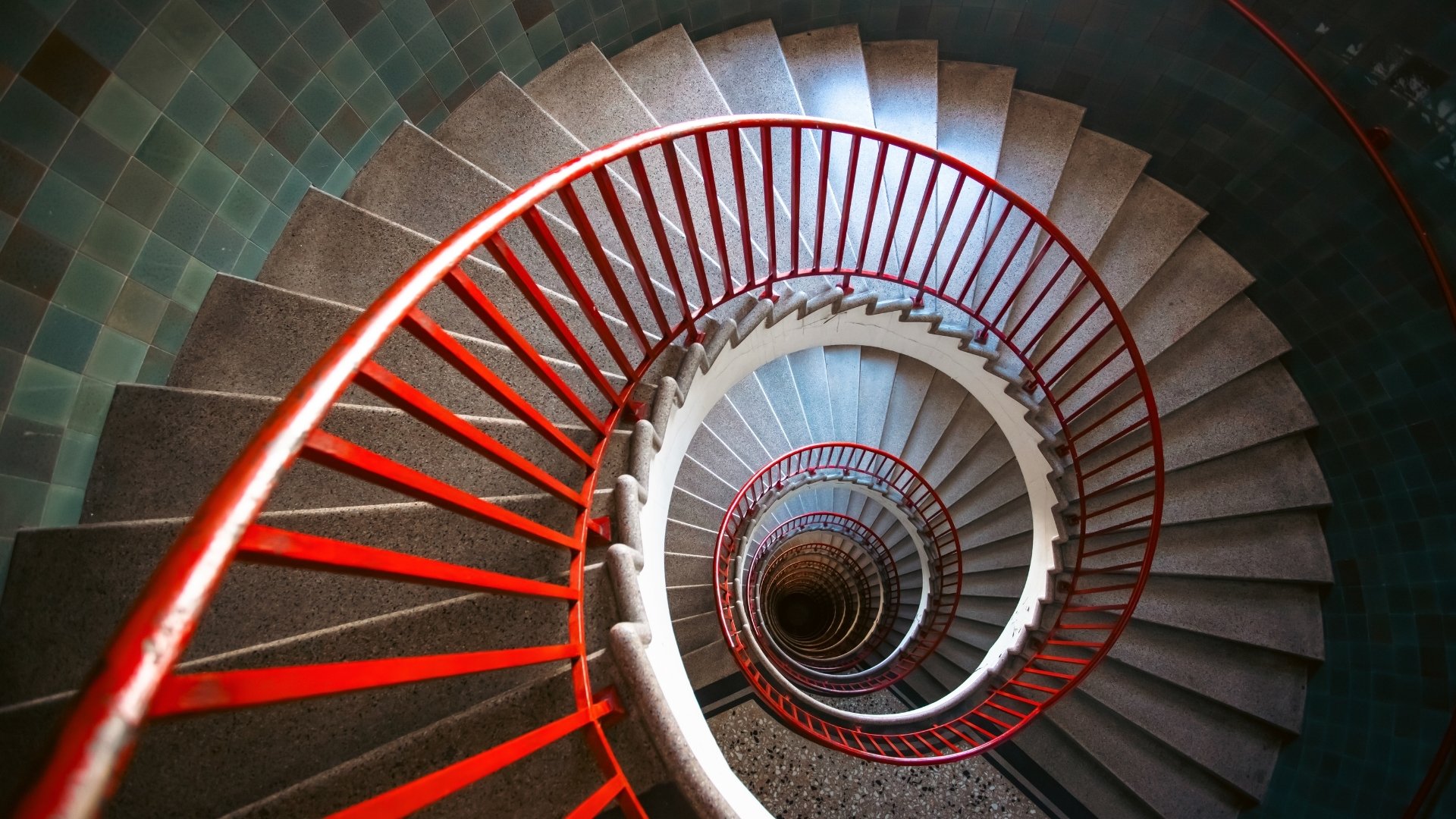
Spiral staircases are often considered when a project faces layout constraints or architectural limitations that make straight stair runs impractical. In both residential and commercial settings, they are used to connect levels while occupying a relatively compact footprint.
However, choosing a spiral staircase is rarely just a design decision. It affects circulation flow, access frequency, coordination with fabricators, and long-term usability. For decision-makers, the challenge is balancing space efficiency with functional requirements.
This guide explores spiral staircase ideas from a planning and use-fit perspective. Instead of focusing solely on visual trends, it highlights where spiral staircases make sense, where they introduce trade-offs, and what to consider before finalizing the layout.
Key Insights
Spiral staircases are most effective when space constraints limit the feasibility of straight or multi-landing stair layouts.
These stairs work best as secondary access, not primary circulation, especially in environments with predictable and controlled usage.
Early planning is critical, as spiral stair geometry affects floor openings, headroom clearance, structural support, and railing coordination.
Making choices about structural support, such as whether to use a central column, wall-assisted systems, or freestanding systems, directly affects how accurately the structure is fabricated and installed.
Spiral staircases are not suitable for every project; high-traffic routes, accessibility-focused spaces, and late-stage design changes often require alternative stair layouts.
Successful spiral stair projects depend on close coordination between layout planning, structural strategy, and fabrication detailing to reduce rework and long-term usability issues.
Why Spiral Staircases are Chosen in Modern Projects
Spiral staircases are typically chosen when a project needs vertical access without committing large floor areas to circulation. In many layouts, especially retrofits or dense plans, straight stair runs are not feasible without major design compromises.
They are also used when the stair is not intended to be the primary means of movement between floors. In such cases, spiral stairs help preserve usable space for core functions, such as work areas, living zones, or equipment placement.
From a planning standpoint, spiral staircases can:
Support access where structural openings are fixed or limited.
Reduce the need for extended landings or long horizontal runs.
Fit into layouts where circulation must stay compact and contained.
In modern projects, they are often selected early in the design phase to avoid later layout revisions. When considered late, spiral stairs can create coordination challenges across architecture, fabrication, and installation.
Their appeal lies less in appearance and more in problem-solving within tight spatial and planning constraints.
These planning drivers influence how spiral staircases are applied across different layouts and use cases.
Spiral Staircase Design Ideas
The design ideas below are organized around use-fit, access patterns, and layout constraints, not visual trends alone.
Each approach highlights how spiral staircases are typically applied in real projects and the planning considerations that influence those decisions.
Spiral Staircases for Space-Constrained Layouts
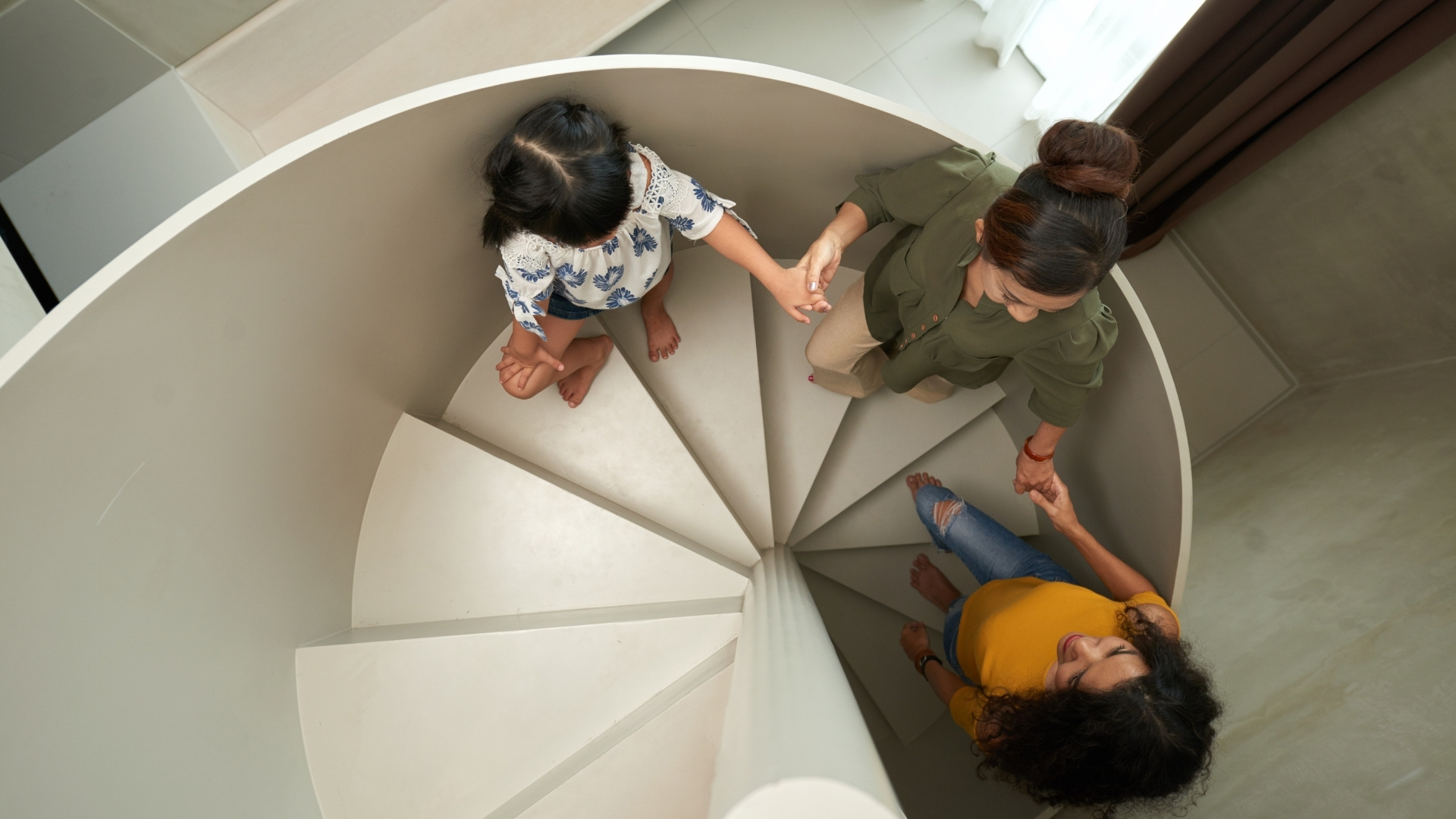
Spiral staircases are often introduced when available floor area limits the feasibility of straight or multi-landing stair runs. In compact layouts, they help maintain vertical access without consuming large portions of usable space.
This approach is commonly seen in:
Tight floor plates with fixed structural openings.
Retrofit projects where expansion is not possible.
Areas where circulation must remain contained to a specific zone.
From a planning perspective, spiral stairs can reduce layout disruption. However, they require early coordination to ensure that access points, headroom perception, and surrounding movement are not compromised.
In space-constrained environments, the value of a spiral staircase lies in preserving functional areas rather than creating visual impact.
Spiral Staircases as Secondary Access Points
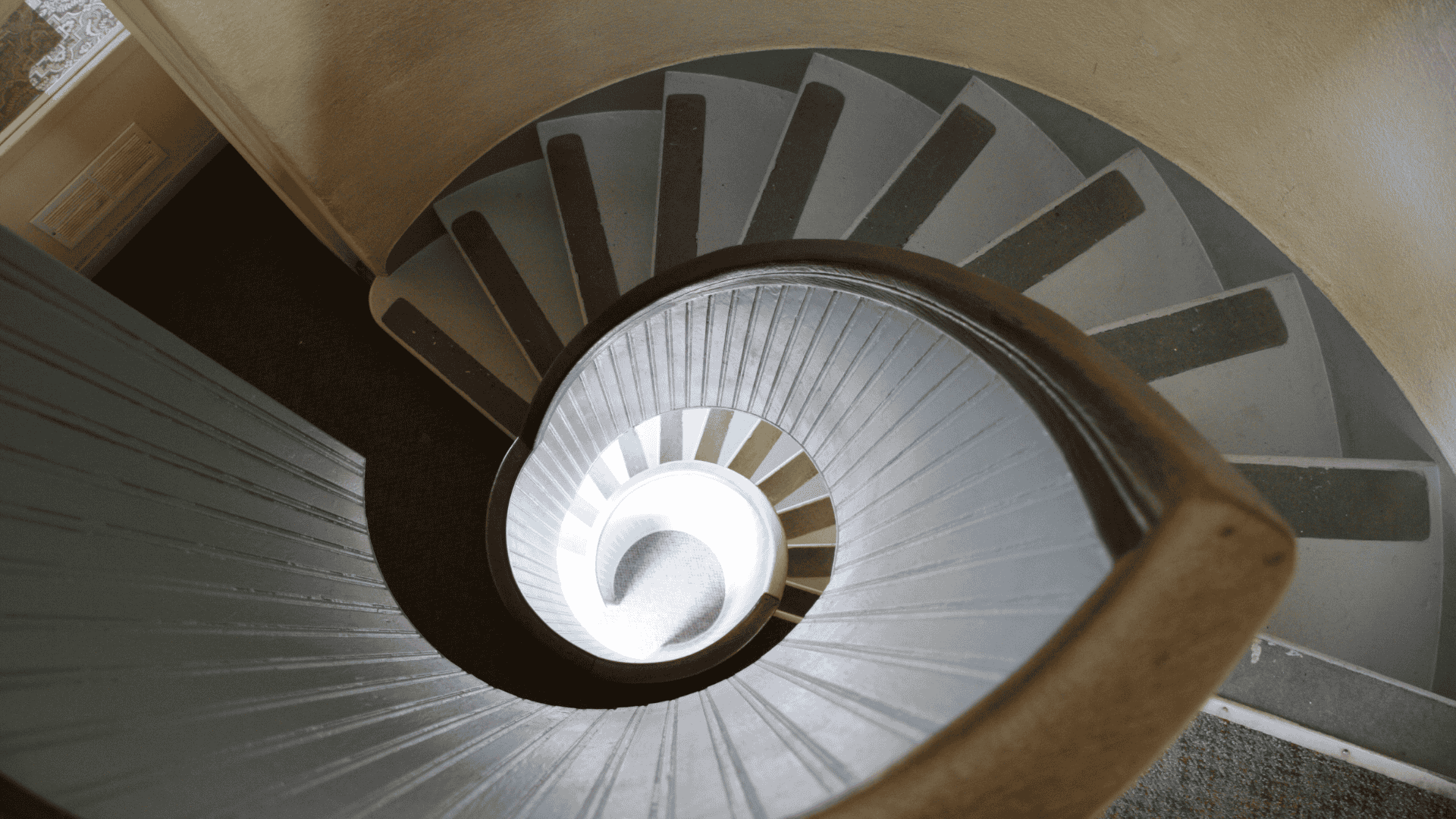
Spiral staircases are most effective when used as secondary access rather than primary circulation between levels. In these roles, they support movement without handling constant or high-volume traffic.
They are commonly applied for:
Loft or mezzanine access.
Occasional movement between floors.
Utility or support areas that do not require frequent use.
Using spiral stairs as secondary access helps minimize circulation congestion while allowing the main stair system to remain efficient and predictable. This approach also simplifies planning by clearly defining how and when the staircase will be used.
When the access role is clearly defined early, spiral staircases integrate more smoothly into the overall layout.
Spiral Staircase Ideas for Residential Projects
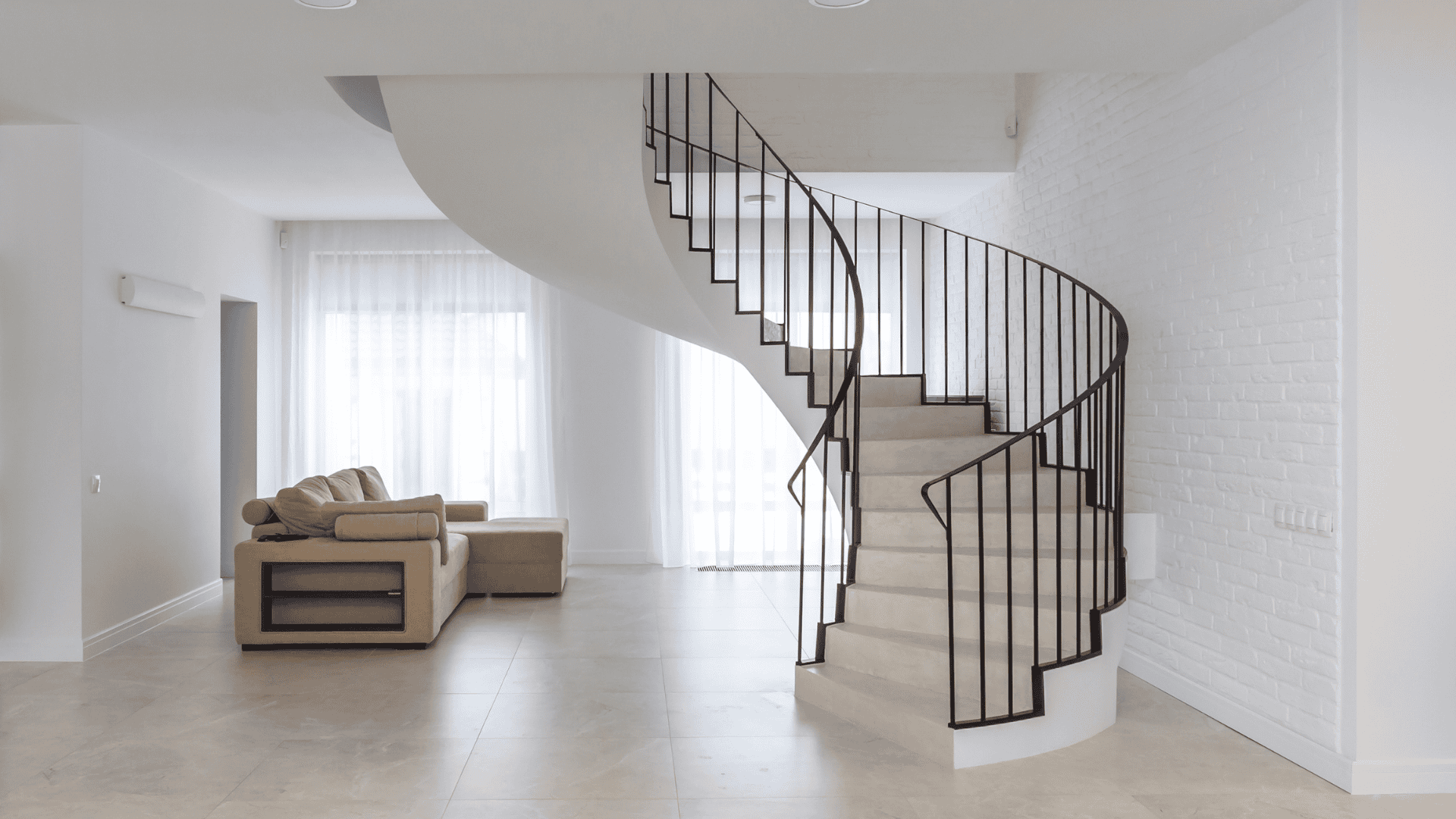
In residential settings, spiral staircases are typically considered when homeowners want to connect levels without sacrificing significant living space. They are often used where the stair does not serve as the primary daily route between floors.
Common residential applications include:
Access to lofts or attic spaces.
Connections to home offices or studios.
Secondary access to basements or rooftop areas.
From a planning standpoint, residential spiral stairs work best when user movement patterns are clearly understood. Factors such as frequency of use, household size, and furniture movement should be considered early to avoid usability constraints later.
In homes, spiral staircase design decisions are most effective when they balance compactness with everyday practicality.
Spiral Staircase Ideas for Commercial or Semi-Public Spaces
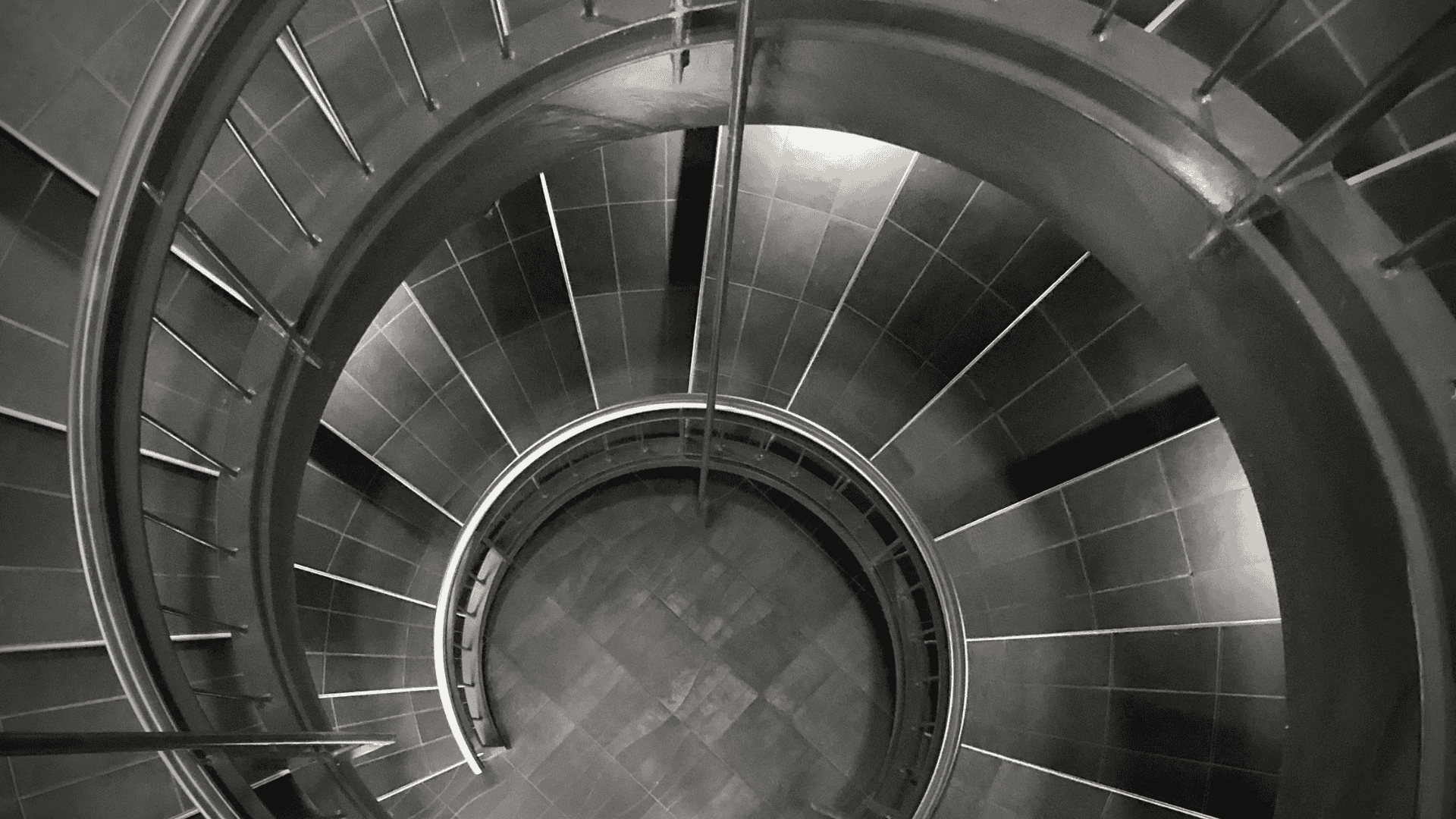
In commercial and semi-public environments, spiral staircases are usually planned as supplementary circulation, not the primary route between floors. They are often used to connect specific zones while keeping main access routes clear and predictable.
Typical use cases include:
Offices with mezzanine levels.
Showrooms or studios with controlled visitor movement.
Retail or hospitality spaces where access frequency.
From an operational perspective, the key consideration is how the staircase fits into overall movement patterns. Spiral stairs can support access without interrupting workflows, provided their placement and role are clearly defined during planning.
When used appropriately, they help maintain circulation order while reducing layout complexity.
Spiral Staircases Integrated with Mixed Materials
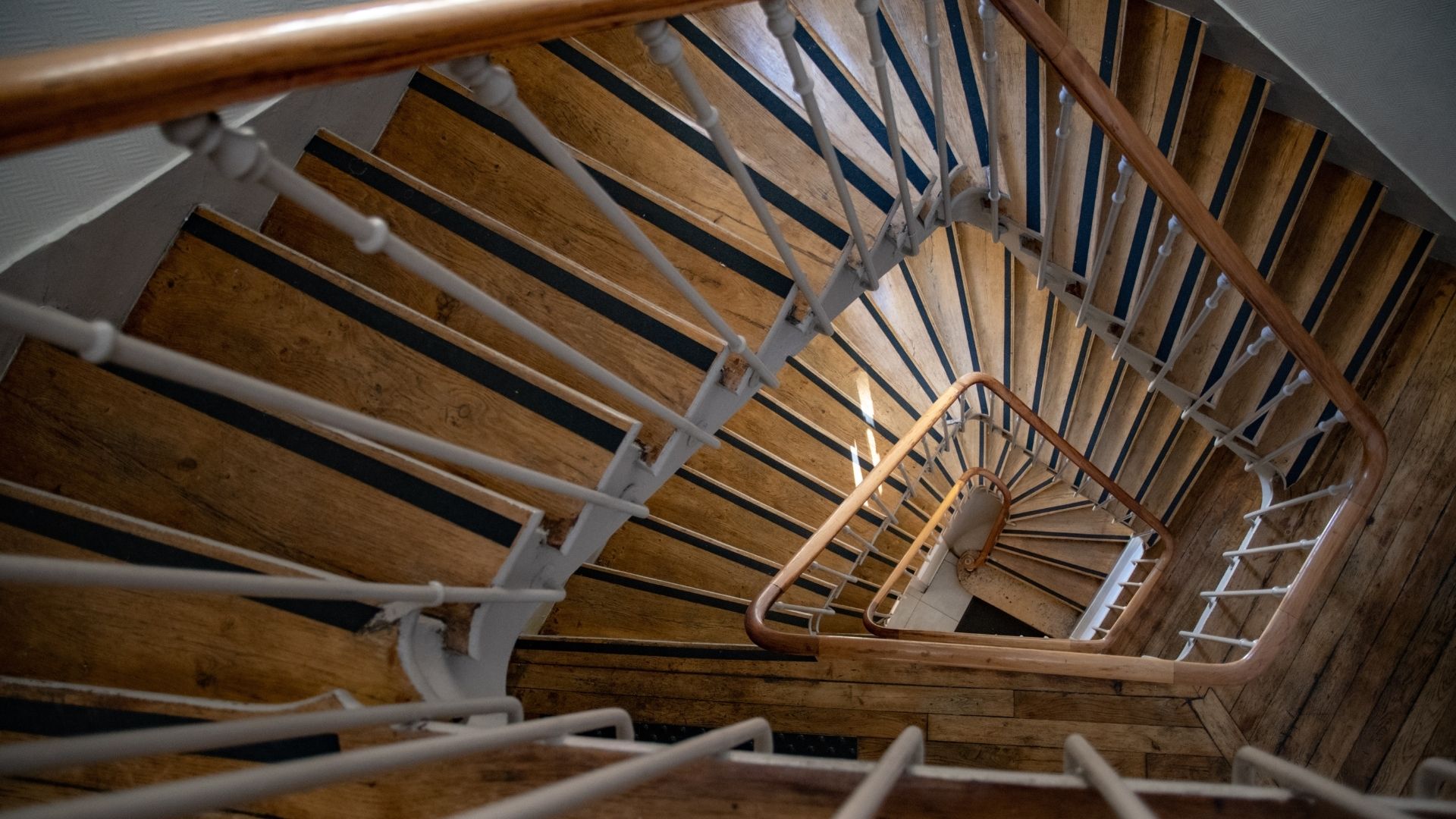
Spiral staircases are often designed using a combination of materials to balance visual presence with practical considerations. Mixed-material approaches are usually driven by how the staircase fits within the broader interior or operational environment.
In many projects, material combinations are used to:
Reduce visual heaviness in compact spaces.
Align the staircase with surrounding architectural elements.
Balance durability with ease of upkeep.
From a coordination standpoint, mixed-material designs require early alignment between design intent and fabrication planning. Decisions made late in the process can introduce rework or integration challenges.
When planned early, mixed-material spiral staircases can support both functional needs and long-term maintenance expectations.
Spiral Staircase Designs That Prioritize Circulation Flow
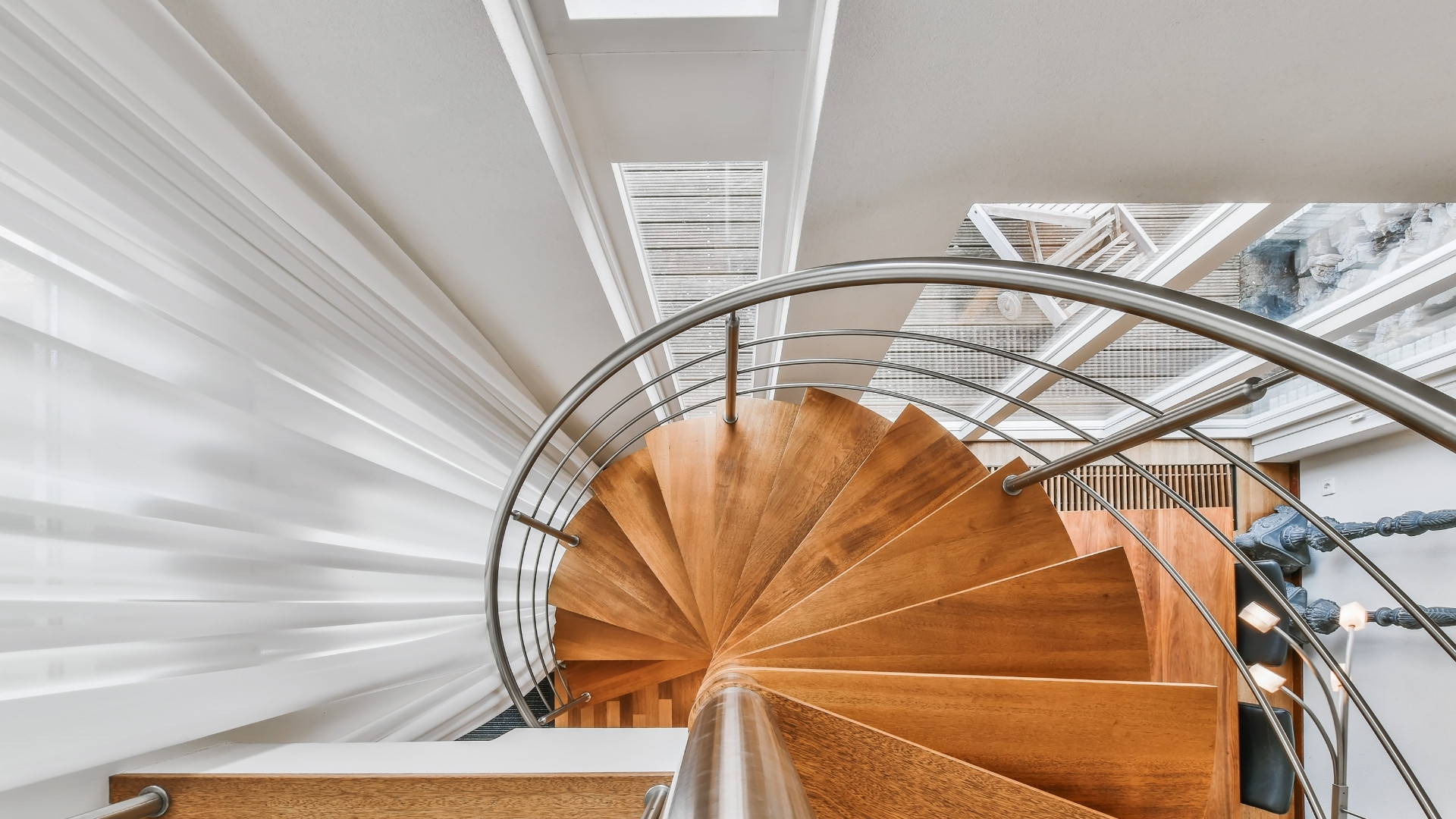
When spiral staircases are planned with circulation flow in mind, their placement and orientation become more important than their form. Poor positioning can interrupt movement patterns, while thoughtful planning allows the staircase to support smooth transitions between levels.
Designs that prioritize circulation typically consider:
Clear entry and exit points at both levels.
Alignment with natural movement paths in the space.
Minimizing interference with adjacent work or living areas.
In both residential and commercial projects, circulation-focused planning helps reduce congestion and confusion. It also supports safer, more predictable movement, especially in environments where multiple users share the same access routes.
Once placement and circulation are defined, structural support becomes the next critical consideration.
Structural Support Methods Used for Spiral Staircases
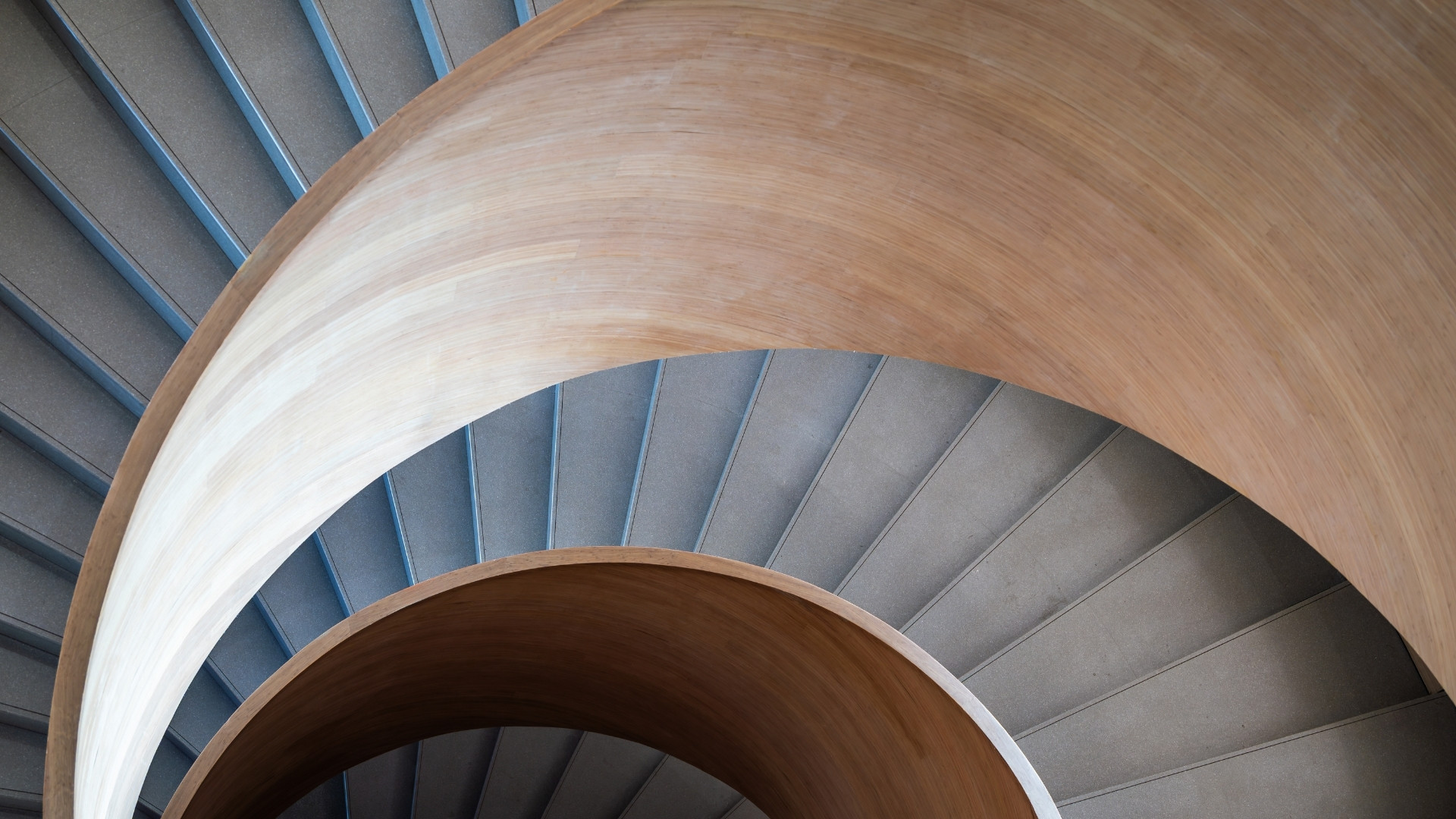
Spiral staircases rely on compact and closely coordinated support strategies. Because the stair rotates within a small footprint, decisions about how it is supported influence layout coordination, fabrication planning, and installation sequencing.
Central Column–Supported Spiral Staircases
This is the most widely used structural approach for spiral stairs.
A central column typically provides the main structural support.
Stair components are arranged around this column in a continuous rotation.
The column connects the stairs between the lower and upper levels.
From a coordination standpoint, this approach requires careful alignment of the column location with floor openings and entry points. Small placement shifts can affect tread alignment, railing layout, and usable space around the stair.
Floor-Supported Spiral Stair Systems
In some projects, spiral stairs are supported through coordinated connections at both the lower and upper floor levels rather than relying on a single support point.
Support is shared between multiple connection points.
Floor construction and finish buildup must be considered early.
Alignment between levels is critical for smooth installation.
This approach is often used where the stair integrates tightly with surrounding framing or architectural elements and must align precisely with finished floor conditions.
Wall-Assisted Spiral Stair Support
Where surrounding walls are present, they may contribute to the overall stability of the spiral stair.
Common in retrofit or space-constrained layouts.
Can reduce reliance on fully freestanding systems.
Requires clear coordination between stair layout and wall construction.
Planning clarity is important so that responsibilities between trades are well defined before installation begins.
Freestanding Spiral Staircases
Freestanding spiral staircases are designed to stand independently without relying on adjacent walls.
The stair assembly supports itself within the space.
Requires a higher level of coordination during fabrication and installation.
Installation errors are more difficult to correct once components are in place.
This approach is typically selected for visually open layouts where minimal surrounding structure is available.
Railing and Guard Coordination Considerations
In spiral staircases, railings and guards follow curved paths and are closely tied to stair geometry.
Railing alignment depends on consistent tread spacing and rotation.
Poor coordination can affect usability and the sequencing of installations.
Best addressed during layout review and shop drawing development.
Treating railing systems as part of the overall stair planning process helps reduce on-site adjustments.
While these support approaches enable compact layouts, they are not suitable for every project condition.
Where Spiral Staircases are Not the Right Choice?
Spiral staircases solve specific layout problems, but they are not suitable for every project. In some situations, choosing a spiral stair can introduce functional, coordination, or compliance challenges that outweigh its space-saving benefits.
Spiral staircases are generally not the right choice when:
The stair is intended to serve as the primary circulation
High-frequency, day-to-day movement is better supported by stair layouts with predictable walking lines and wider movement zones.
Large items or equipment must move between floors regularly
Spiral geometry can make furniture, appliances, or material handling difficult and inefficient.
Accessibility or inclusive access is a priority
Projects that require barrier-free movement or clear accessibility pathways typically rely on straight or ramped circulation systems.
Headroom conditions are already tight
In buildings with limited floor-to-floor height, spiral stairs can create clearance conflicts that are difficult to resolve later.
User groups are varied or uncontrolled
In spaces with mixed or public access, spiral stairs can introduce confusion or congestion if not carefully managed.
Design decisions are being finalized late
Spiral stairs require early agreement on geometry, floor openings, and coordination. Late-stage changes often lead to rework or installation challenges.
Acadia Stairs serves as a fabrication and coordination partner for metalworkers, ironworkers, and stair builders on custom spiral staircase projects.
Many challenges associated with spiral staircases stem from avoidable planning and coordination errors.
Common Design Mistakes to Avoid When Planning Spiral Staircases

Spiral staircases often create issues not because of the design itself, but because key planning decisions are made too late or without clarity on use.
Common mistakes include:
Treating spiral staircases as interchangeable with straight stairs
Spiral stairs serve different access needs. Using them where primary, high-frequency movement is required can lead to usability issues.
Finalising the layout before defining access intent
Not clarifying whether the stair is primary or secondary often results in circulation conflicts and redesigns.
Underestimating coordination requirements
Spiral staircases require alignment across layout planning, fabrication, and installation. Late-stage decisions increase rework risk.
Ignoring surrounding movement patterns
Poor entry or exit placement can disrupt workflows, living areas, or shared circulation paths.
Over-prioritising visual appeal over use-fit
Designs chosen purely for appearance may introduce long-term usability or maintenance challenges.
Avoiding these issues early keeps spiral staircase decisions aligned with long-term usability and layout goals. Addressing these challenges early often requires close coordination with an experienced fabrication partner.
How Does Acadia Stairs Support Spiral Staircase Projects?
Based in Fishkill, New York, the company supports residential, commercial, and light-industrial stair applications delivered across the United States.
Spiral staircases introduce unique challenges around geometry, headroom clearance, tread alignment, and railing coordination.
Acadia Stairs supports trade professionals who require fabrication-ready components and predictable execution for these complex stair systems.
1. Custom metal fabrication for spiral stair systems
Acadia Stairs fabricates structural steel components used in spiral stair construction, including central columns, stringer elements, tread supports, and connection hardware.
2. Fabrication aligned to spiral geometry and headroom constraints
Spiral stairs require precise control of rise, rotation, and vertical clearance. During coordination, Acadia Stairs reviews floor-to-floor heights, opening dimensions, and headroom conditions to identify conflicts early.
3. Coordinated railing and guard systems
Acadia Stairs makes railing and guard systems that are designed to work directly with spiral stair assemblies. These systems include custom metal guards, cable systems, and glass options.
4. Shop drawings and fabrication detailing
Project-specific shop drawings define spiral rotation, tread spacing, column alignment, railing attachment points, and connection details. These drawings allow stair builders and metal shops to confirm constructability before fabrication begins.
5. Finish coordination for spiral stair components
Acadia Stairs supports coordinated metal and wood finish options, including painted steel, powder-coated components, raw steel, and integrated wood treads. This allows fabrication partners to maintain consistency across stair structures, railings, and adjacent architectural metalwork.
6. Project coordination and nationwide delivery
Through dimensional verification and installation planning, Acadia Stairs aligns fabricated systems with structural framing and finish conditions. This coordination helps reduce installation delays and supports predictable execution across residential and commercial projects.
Conclusion
Spiral staircase design works best when it is guided by planning clarity rather than visual preference alone. While spiral stairs can solve specific layout challenges, their effectiveness depends on how well they align with access frequency, circulation flow, and overall space use.
Evaluating spiral staircase ideas through a use-fit lens helps reduce redesigns, coordination issues, and long-term usability concerns.
Early consideration of where and how the staircase will be used allows teams to make informed choices without overcomplicating the layout.
When spiral staircases are selected with realistic expectations and integrated thoughtfully into the project plan, they support efficient movement and maintain functional balance across the space.
For projects requiring fabrication-ready spiral stair systems and early coordination support, Acadia Stairs works with stair builders, metal fabricators, and contractors to align geometry, detailing, and installation requirements before fabrication begins.
Get in touch with Acadia Stairs today to learn more about spiral staircase ideas!
FAQs
When do spiral staircases make the most sense in a project?
Spiral staircases are best suited for situations where space is limited or where the stair serves as secondary access. They work well when a vertical connection is needed without dedicating large floor areas to circulation.
Are spiral staircases suitable as primary stairs?
In most projects, spiral staircases are not planned as primary circulation. High-frequency use, material movement, or shared access often requires stair layouts with more predictable flow.
What should be decided before choosing a spiral staircase design?
Key decisions include how often the stair will be used, who will use it, whether it is primary or secondary access, and how it fits into overall movement patterns. These factors should be clarified before finalizing the layout.
Do spiral staircases work in commercial or semi-public spaces?
Yes, but typically as supplementary access. They are commonly used in offices, studios, or showrooms where access needs are controlled and predictable rather than continuous.
How do spiral staircases affect circulation flow?
Poor placement can interrupt movement and create congestion. When planned correctly, spiral staircases support controlled access without interfering with primary circulation routes.
Are spiral staircases harder to integrate into existing buildings?
Integration depends on available space, structural openings, and early coordination. In retrofit projects, spiral staircases are often chosen because they adapt better to fixed constraints than straight stair runs.