Curved stairs are rarely chosen by accident. They usually appear in projects where straight stair layouts create circulation conflicts, visual breaks, or inefficient use of space.
For planners, engineers, and decision-makers, curved stairs introduce both opportunity and complexity.
They can support smoother movement between levels, but they also require clearer coordination and a greater commitment to design earlier than in standard stair layouts.
This guide explains curved stairs from a planning and building perspective. Instead of focusing on visual appeal, it outlines where curved stairs make sense, where they don’t, and what teams should consider before committing to a curved design.
Key Insights
Curved stairs are typically chosen to improve circulation flow where straight stairs disrupt movement or spatial continuity.
These stairs work best when the layout geometry is finalized early, and access patterns are predictable.
Curved stair geometry affects floor openings, structural coordination, and installation sequencing more than straight stair layouts.
Projects with late-stage design changes or tight footprints often face higher coordination risk with curved stairs.
Successful curved stair projects depend on early alignment between layout planning, fabrication strategy, and installation sequencing.
Why are Curved Stairs Chosen in Modern Projects?
Curved stairs are typically chosen when a project needs smoother circulation between levels without introducing abrupt directional changes. In layouts where straight stair runs feel rigid or disruptive, curved designs help maintain spatial continuity.
They are also used when designers want circulation to follow the natural flow of a space rather than cut across it.
This is common in open plans, central atriums, or layouts where movement paths need to feel gradual and intuitive.
From a project standpoint, curved stairs are often selected to:
Reduce visual and physical breaks in large or open spaces.
Guide movement more naturally between floors.
Resolve layout challenges where straight stairs force inefficient landings or turns.
In modern projects, the decision to use curved stairs is usually tied to layout optimization and circulation clarity, not decoration alone.
There are clear situations in which curved stairs are useful, but only when used in the right places.
Where Should Curved Stairs Be Used?
Curved stairs work best when they support smooth circulation and integrate naturally into the layout. They are a strong fit in these scenarios:
Open floor plans where movement should feel continuous
Curved paths can guide circulation without creating sharp turns or visual breaks.
Central stair placements that shape how people move through the space
When the stair is a circulation anchor, curvature can make transitions feel more natural.
Layouts where straight stairs force awkward landings or tight directional changes
Curved stairs can reduce layout compromises when a straight run doesn’t align with the space.
Projects where the stair is both functional and visually exposed
Curved stairs often integrate better into prominent locations because they follow the space's geometry.
Spaces that need gradual transitions between levels
Curved circulation can improve flow in multi-level environments where movement paths are not linear.
Commercial or semi-public settings with controlled access patterns
When usage is predictable, curved stairs can support circulation without disrupting primary routes.
Acadia Stairs works as a great partner for those who are in search of partners when looking for options to built curved stairs.
Just as important as knowing where curved stairs work is recognizing situations where they introduce avoidable challenges.
Where Curved Stairs Do Not Fit Well?
Curved stairs are not always the right choice. They tend to create avoidable complexity in these situations:
High-traffic primary circulation
When large groups regularly move between floors, simpler stair paths are often easier to manage.
Very tight layouts
If the available footprint is limited, curvature can reduce usable space and make layout planning harder.
Projects where designs are still changing
Curved stairs need early clarity. Late-stage changes often create rework across layout, fabrication, and installation.
Areas where materials or equipment move frequently
Curved paths can slow down handling and create friction in day-to-day operations.
Spaces where direct, fast movement matters most
If the goal is the shortest, most straightforward route between floors, straight stairs usually work best.
Schedules that leave little room for coordination
Curved stairs typically require tighter alignment between stakeholders, which can be difficult under compressed timelines.
Once suitability is established, the next step is to choose a design approach that aligns with the space and circulation needs.
Curved Stair Design Approaches Based on Space and Flow
Curved stair design varies based on how movement is expected to flow through a space. The approaches below focus on aligning curvature with layout constraints and circulation needs rather than visual styling.
Curved Stairs for Open Floor Plans
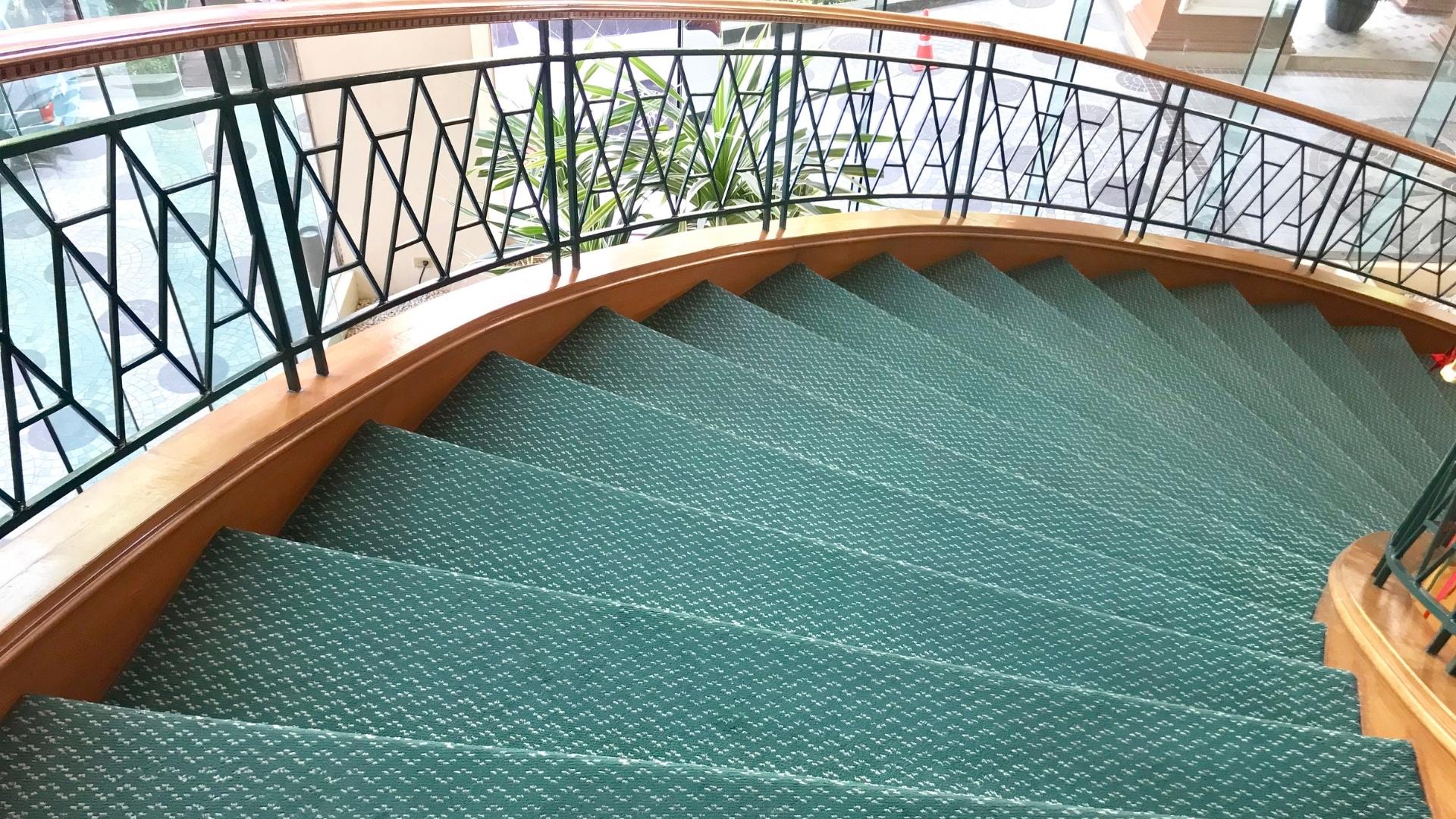
In open layouts, curved stairs are often used to maintain visual and movement continuity across levels. Unlike straight stair runs, curvature makes circulation feel more gradual and less intrusive in large, shared spaces.
This approach works well when the staircase sits in a central or visible position and needs to guide movement without interrupting adjacent zones. Planning focuses on how people approach and exit the stairs, ensuring it aligns with natural movement paths.
Curved Stairs for Tight or Irregular Layouts
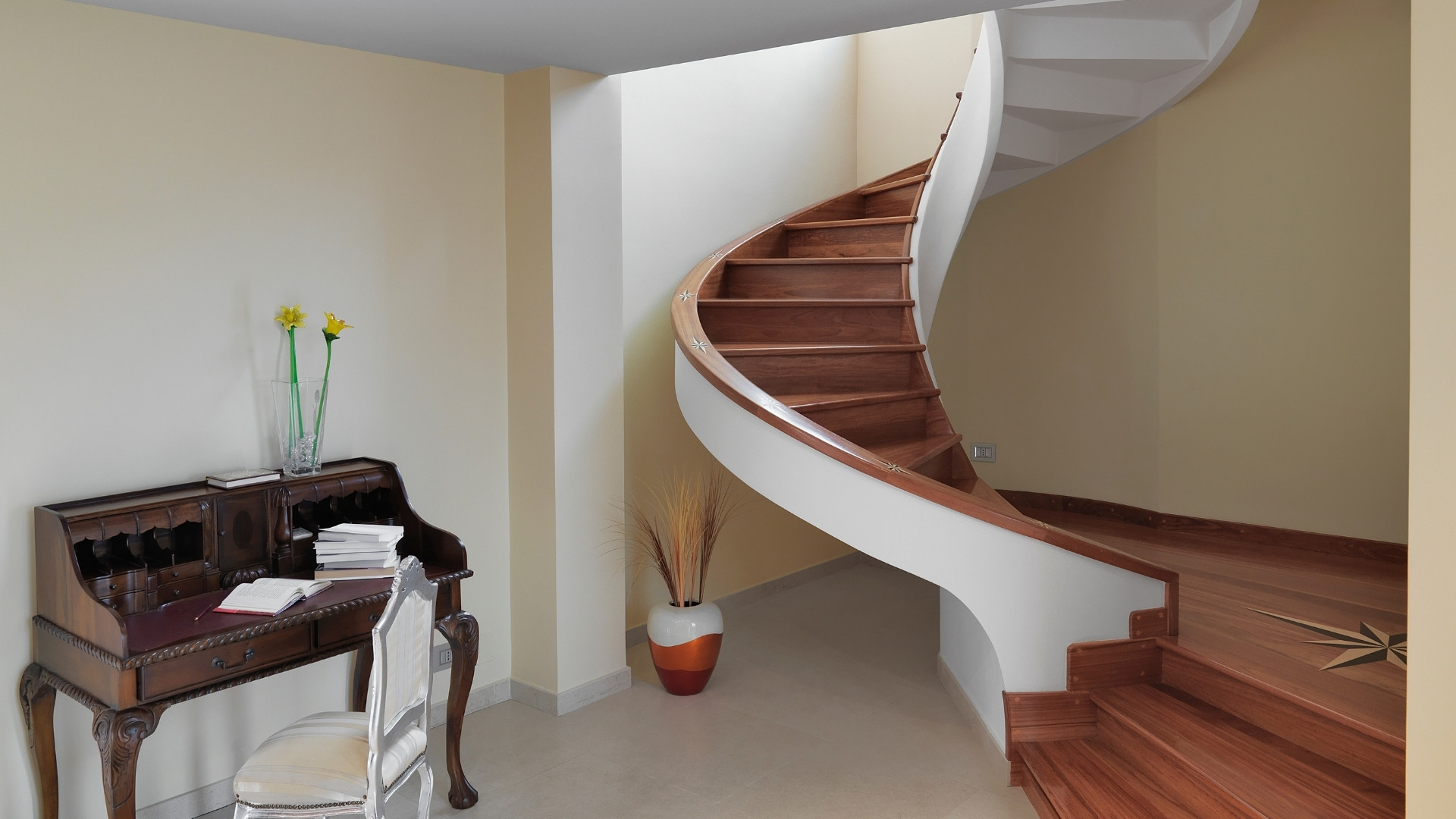
In irregular or constrained layouts, curved stairs can help resolve transitions where straight stairs create awkward turns or inefficient landings. Curvature allows the stair to adapt to the available space's geometry.
However, in these situations, careful planning is required to ensure the stair does not dominate the layout or reduce usable area. Curved designs in tight spaces are most effective when the stair’s role and access frequency are clearly defined.
Curved Stairs as Feature vs Functional Access
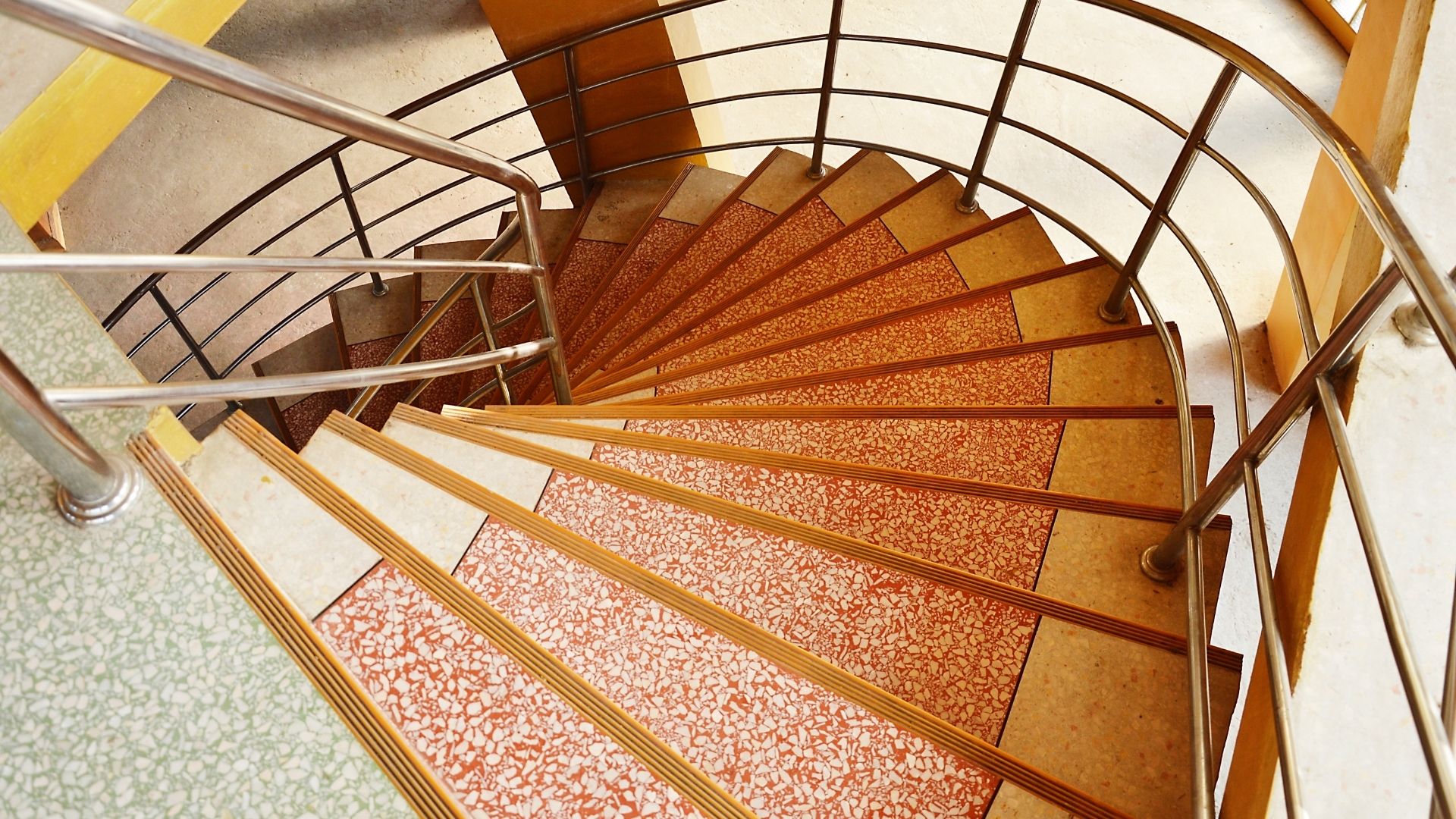
Curved stairs can serve either as a prominent architectural feature or as a primarily functional access route. The distinction affects how much emphasis is placed on placement, visibility, and circulation impact.
When used as a feature, the stair often becomes a central element that shapes movement and spatial perception.
When used for functional access, the focus shifts toward efficiency, predictability, and integration with surrounding circulation.
Once the stair’s role is defined, careful planning and coordination become critical to execution.
Planning and Coordination Considerations When Building Curved Stairs
Building curved stairs requires tighter planning and earlier coordination than standard stair layouts. The shape of the stair influences multiple downstream decisions, making sequencing and alignment across teams especially important.
Key considerations include:
Early layout finalization: Curved stairs depend on fixed geometry. Late changes to floor openings or circulation paths often lead to redesign and coordination delays.
Clear definition of the stair’s role: Whether the stair is primary or secondary access affects placement, circulation impact, and coordination priorities.
Alignment between design intent and build feasibility: Curved forms need to be evaluated early to ensure they integrate smoothly with surrounding structural and architectural elements.
Coordination across stakeholders: Architects, fabricators, and installers must work from a shared understanding of the stair’s geometry and placement to avoid mismatches during execution.
Installation sequencing awareness: Curved stairs often require planning around other construction activities. Poor sequencing can restrict access or slow progress on adjacent work.
Even with good planning, curved stairs are not suitable for every project condition.
Materials Commonly Used for Curved Stairs
Material choice plays a major role in how a curved stair performs, how complex it is to build, and how smoothly it integrates into the surrounding space. Because curved stairs follow a continuous geometry, materials must accommodate shaping, alignment, and long-term stability.
Rather than being a purely aesthetic decision, material selection affects coordination effort, fabrication feasibility, and installation accuracy.
Steel

Steel is commonly used in curved stair construction, especially in modern and commercial projects.
It is typically chosen because it:
Supports curved geometry with greater dimensional control.
Allows slimmer structural profiles in open or exposed layouts.
Performs consistently across long spans and tight curves.
Steel-based systems often simplify coordination where precision and repeatability are important, particularly in visually exposed staircases.
Wood
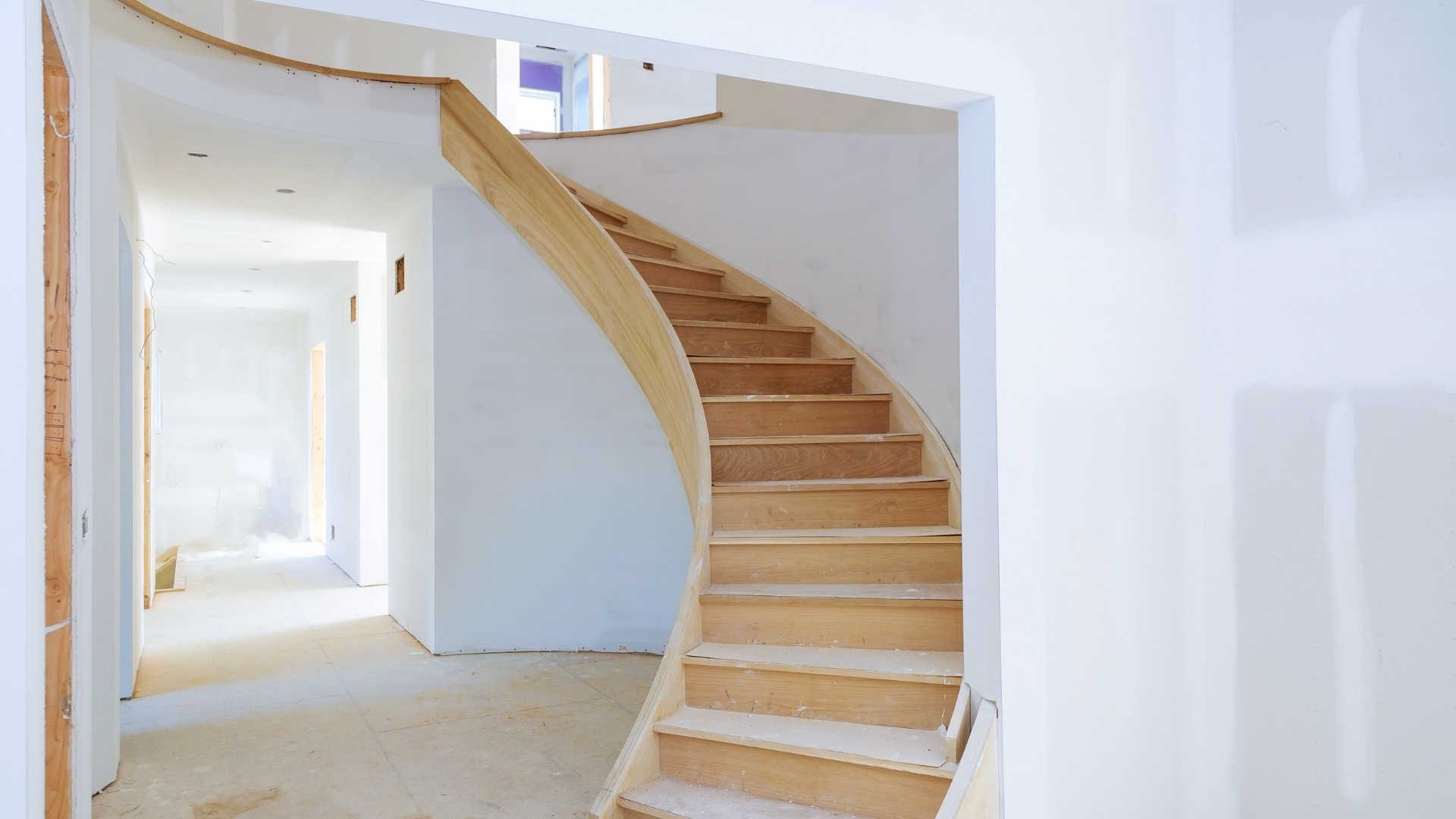
Wood is frequently used in residential curved stairs, either as a primary structure or as a finish material.
It is often selected when:
A warmer or more traditional interior character is required.
The stair integrates closely with the surrounding wood finishes.
Curvature is moderate and well-defined early in the planning phase.
Because wood responds to movement and environmental conditions, early layout clarity is important to avoid alignment or fit issues later.
Hybrid Systems (Steel Structure with Wood Treads)
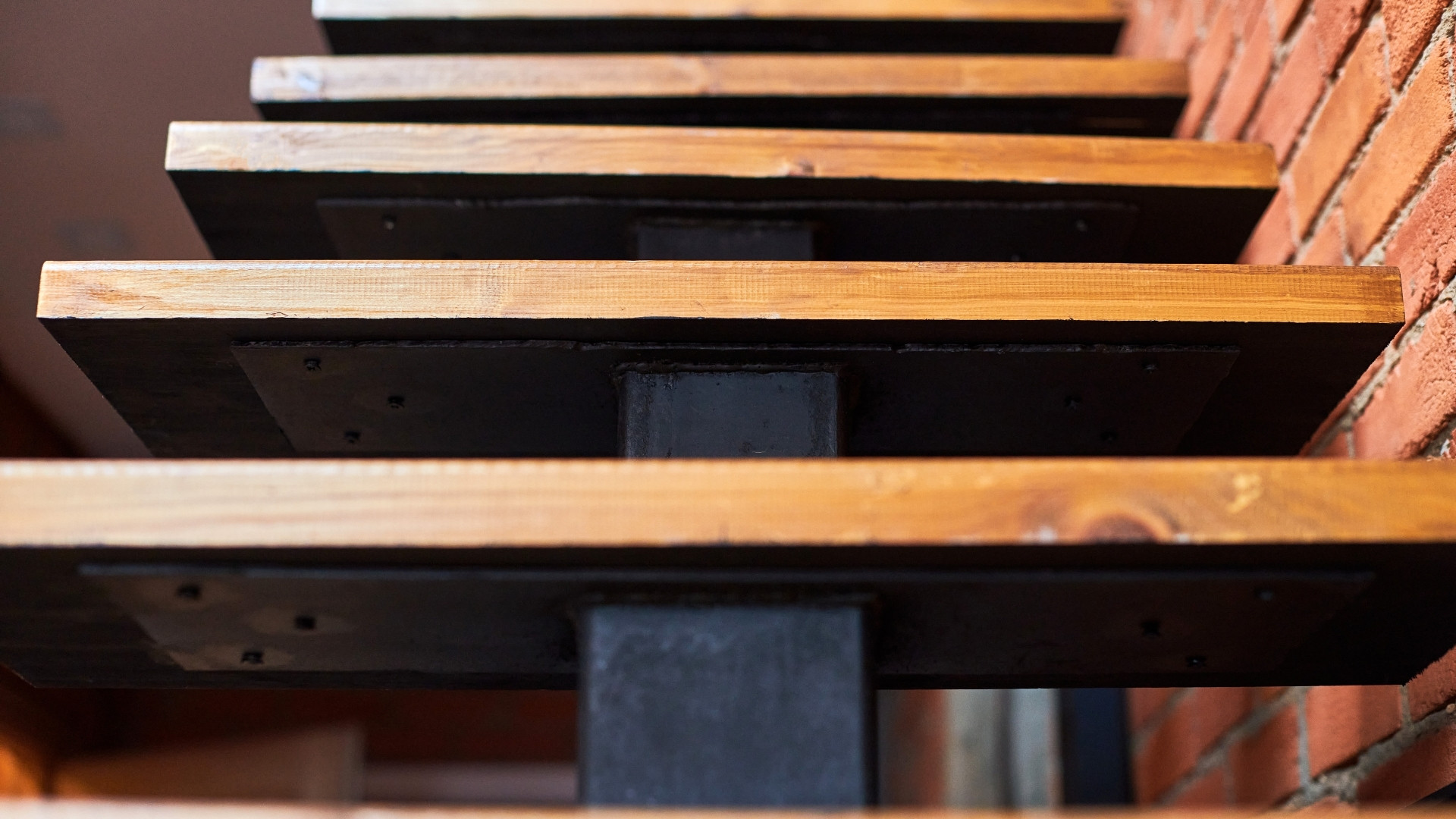
Many curved stairs use a hybrid approach, combining a steel structural frame with wood treads or finishes.
This approach is often preferred because it:
Balances structural reliability with visual warmth.
Improves consistency of curved geometry.
Allows flexibility in finish selection without affecting the structure.
Hybrid systems are common in custom projects where both performance and appearance matter.
Glass and Metal Railings as Complementary Materials
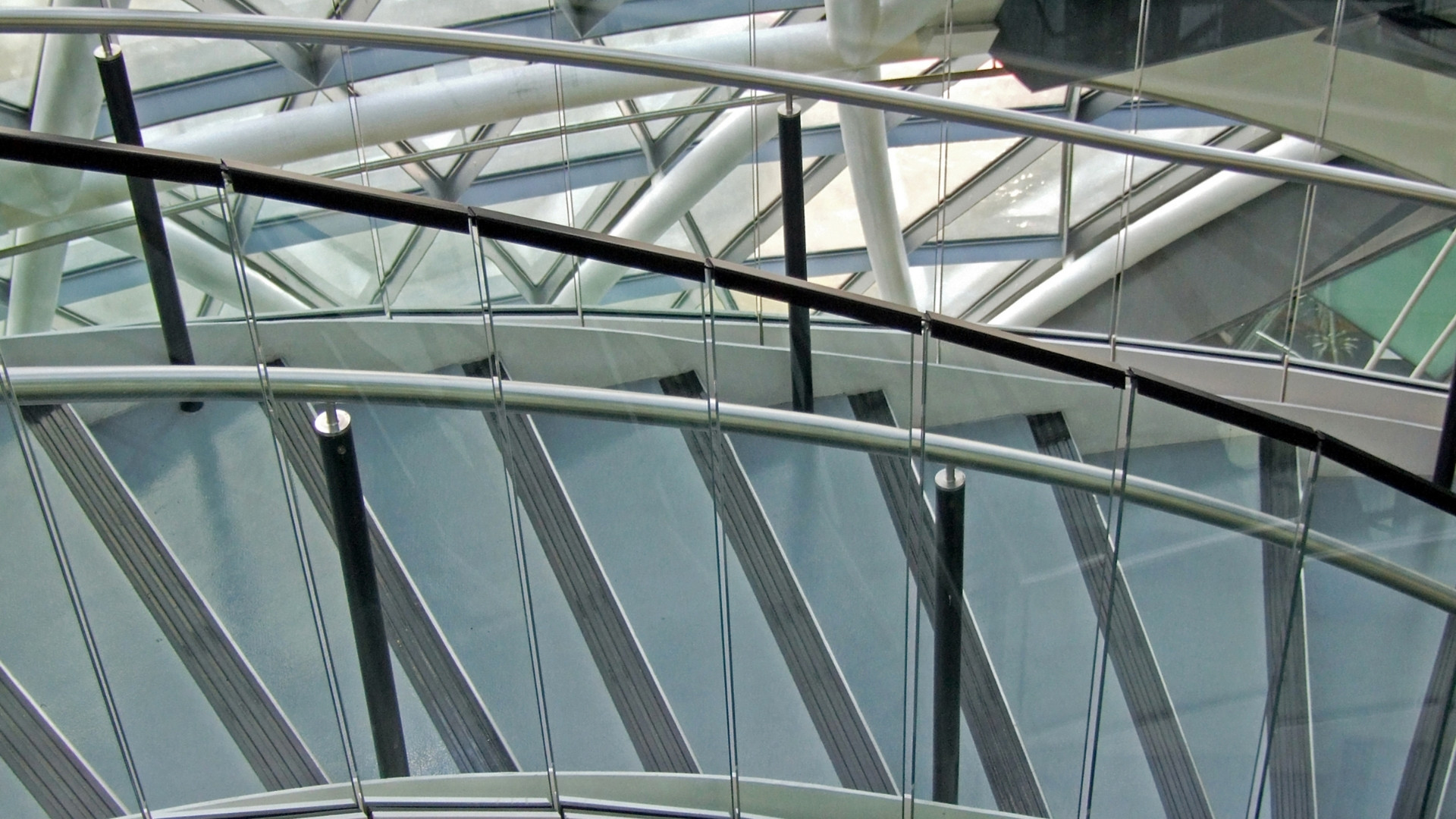
While railings are often considered separately, they play an important role in the planning of curved stair materials.
Curved stairs are frequently used:
Curved glass panels for visual openness.
Custom metal railings shaped to match stair geometry.
Because railing alignment follows the stair’s curvature, railing material decisions should be made alongside stair material selection to avoid coordination issues.
Late material changes often lead to rework, delays, or compromised detailing. Aligning material choices early helps keep curved stair projects predictable and easier to execute.
Common Mistakes to Avoid When Designing or Building Curved Stairs
Curved stair projects often run into issues because of planning gaps rather than design intent. Avoiding the following mistakes can reduce rework, coordination delays, and usability problems.
Treating curved stairs like straight stairs
Curved layouts introduce different circulation patterns and coordination needs. Applying straight-stair assumptions can lead to layout conflicts.
Delaying key design decisions
Finalizing curvature, placement, or access role too late increases redesign risk and disrupts downstream coordination.
Unclear definition of use
Not deciding whether the stair is primary or secondary access can result in circulation issues and functional mismatch.
Overemphasising form without considering flow
Prioritizing appearance over movement patterns can create bottlenecks or awkward entry and exit points.
Insufficient stakeholder coordination
Curved stairs require tighter alignment between design, fabrication, and installation teams. Gaps here often surface during build.
Underestimating installation sequencing constraints
Poor sequencing can restrict site access and slow adjacent construction activities.
Addressing these points early helps keep curved stair projects aligned with both layout intent and build realities.
Avoiding these risks often requires early coordination with partners experienced in the execution of curved stairs.
How Acadia Stairs Supports Curved Stair Projects?
Acadia Stairs works as a fabrication and coordination partner for metal workers, iron workers, and stair builders involved in custom curved stair projects. Based in Fishkill, New York, the company supports residential, commercial, and semi-public stair applications delivered across the United States.
Curved stairs introduce additional coordination challenges due to their geometry, alignment requirements, and integration with surrounding spaces. Acadia Stairs supports trade professionals who require fabrication-ready components and predictable execution for these complex stair systems.
Custom metal fabrication for curved stair assemblies
Fabrication of curved stair components is completed to approved shop drawings, supporting consistent geometry and coordinated installation.
Early coordination around layout and geometry
Floor openings, stair placement, and curvature are reviewed early to identify potential conflicts before fabrication begins.
Integrated railing and guard systems
Curved railings and guards are coordinated with stair geometry to support clean installation sequencing and alignment.
Shop drawings and fabrication detailing
Project-specific drawings define curvature, transitions, and connection points, helping reduce field rework.
Project coordination and delivery support
Fabricated components can be shipped nationwide, supporting stair builders and metal contractors across multiple project sites.
This approach allows trade partners to integrate curved stair systems with greater predictability and reduced coordination risk.
Conclusion
Curved stairs work best when they are planned as part of the overall circulation strategy rather than added as a late design element. Their success depends on how well the curvature aligns with movement patterns, space constraints, and the staircase's intended role within the project.
Figuring out where curved stairs fit and where they don't helps keep construction from getting too complicated and hard to coordinate. Early clarity around layout, access use, and sequencing allows teams to make informed decisions without disrupting timelines or workflows.
When approached with realistic expectations and proper coordination, curved stairs can support smoother circulation and stronger integration of layout across residential, commercial, and semi-public projects.
If you’re planning a curved stair and need support with layout clarity, fabrication coordination, or build feasibility, Acadia Stairs works with builders, fabricators, and project teams to plan and execute curved stair systems with fewer surprises during construction. Contact Acadia Stairs Today!
FAQs
When are curved stairs a better option than straight stairs?
Curved stairs are typically a better option when circulation needs to feel smooth and continuous, or when straight stair runs create layout breaks or inefficient transitions between levels.
Do curved stairs require earlier planning than other stair layouts?
Yes. Curved stairs usually require earlier layout finalisation because their geometry affects surrounding circulation, openings, and coordination across design and construction teams.
Are curved stairs suitable for commercial projects?
Curved stairs can work well in commercial or semi-public spaces when access patterns are predictable, and the stair supports controlled circulation rather than constant high-traffic movement.
When should curved stairs be avoided?
They are generally avoided in high-traffic primary circulation routes, very tight layouts, or in projects with late-stage design changes and limited coordination windows.
How do curved stairs affect circulation flow?
When planned correctly, curved stairs guide movement more naturally between levels. Poor placement, however, can interrupt flow and create congestion at entry or exit points.
Are curved stairs more complex to coordinate during construction?
They typically involve tighter coordination because decisions around placement and curvature influence fabrication and installation sequencing. Early alignment helps reduce rework and delays.