Designing a tiny home comes with unique challenges, especially when every square foot matters. Standard staircases can take up too much room, reduce usable living areas, and create awkward layouts that restrict movement and storage options. These constraints can slow down project timelines, increase material costs, and limit how efficiently you can use the home’s interior.
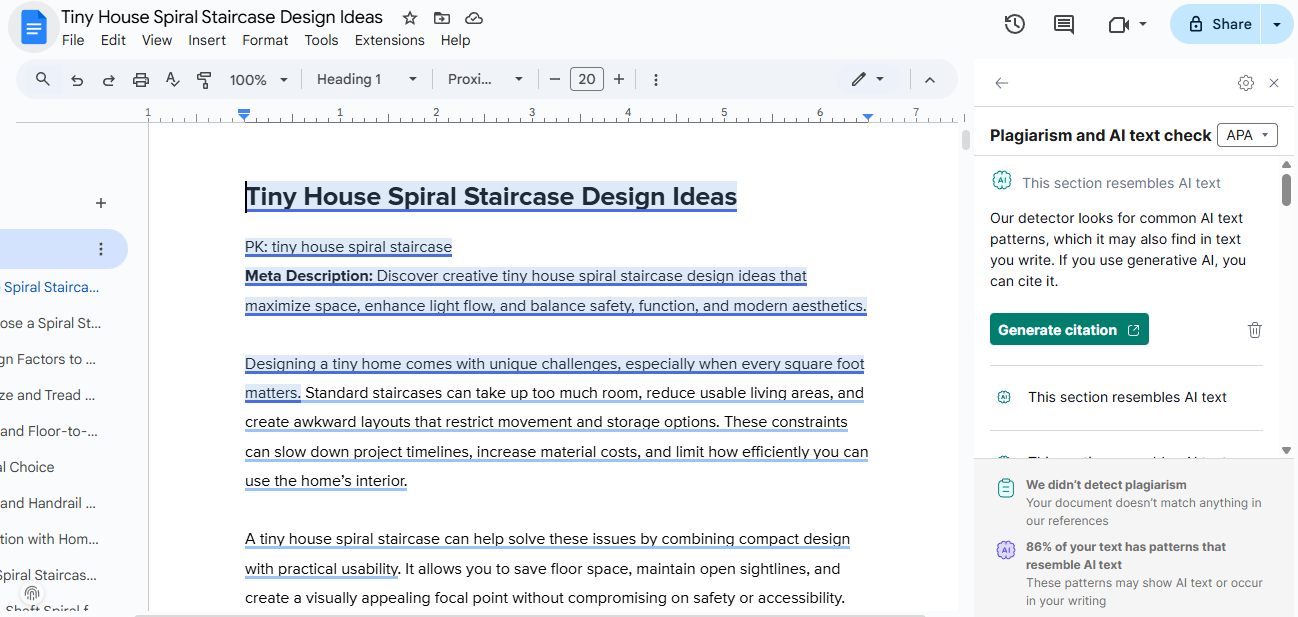
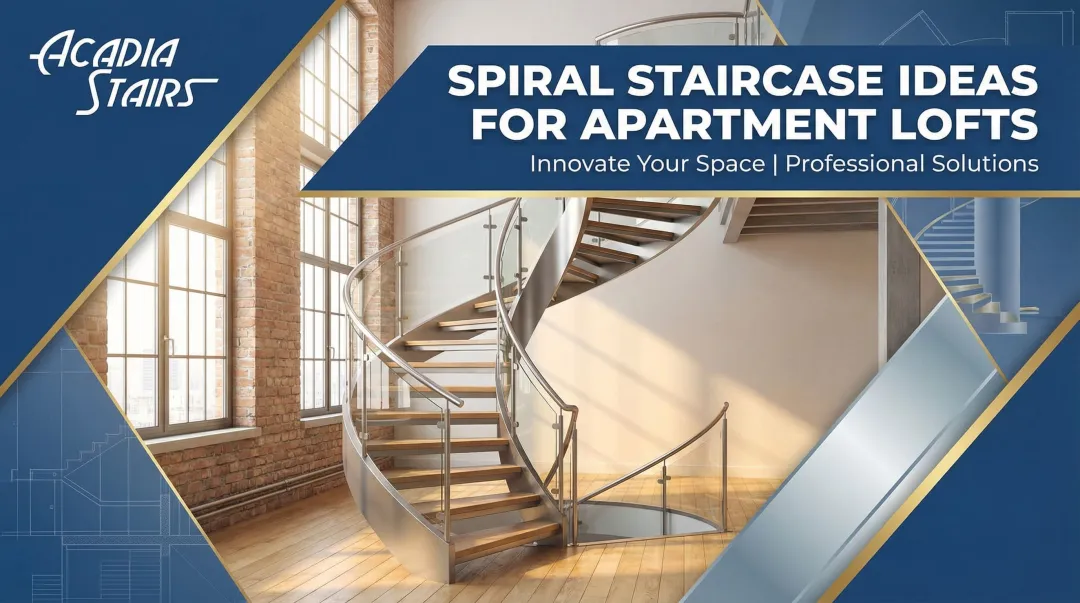
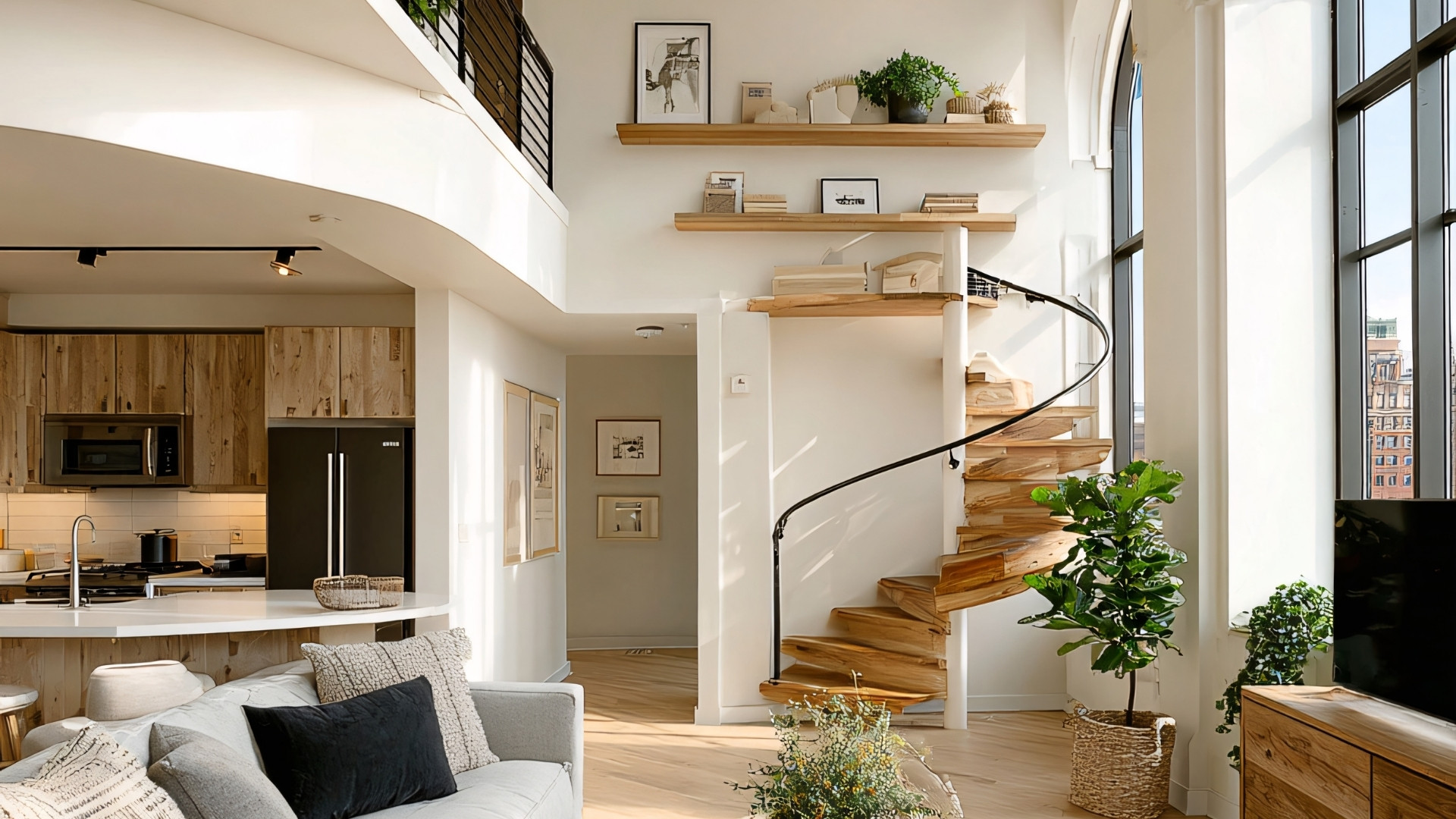
A tiny house spiral staircase can help solve these issues by combining compact design with practical usability. It allows you to save floor space, maintain open sightlines, and create a visually appealing focal point without compromising on safety or accessibility.
As the global tiny homes market is expected to grow by USD 3.71 billion from 2025 to 2029, demand for smart, space-efficient design solutions continues to rise. With the right design, you can simplify installation, support predictable project timelines, and keep both material and labour costs under control.
This blog explores the advantages of spiral staircases for tiny homes, the critical design considerations, popular design ideas, and safety aspects.
Key Highlights:
Space-Efficient and Stylish: Spiral staircases occupy roughly 20–30% less floor space than traditional stairs, maintain circulation, and add architectural interest while fitting into tiny homes.
Design Flexibility: Various designs, from closed-shaft to floating or alternating treads, allow customization for corners, lofts, or central placements without affecting usability.
Material and Layout Considerations: Choosing the right materials, step dimensions, and railing design ensures durability, comfort, and smooth integration with the home’s interior.
Safety First: Consistent steps, non-slip surfaces, proper handrails, and adequate lighting, along with compliance with local codes, are essential for secure and practical staircases.
Why Choose a Spiral Staircase for Your Tiny House?
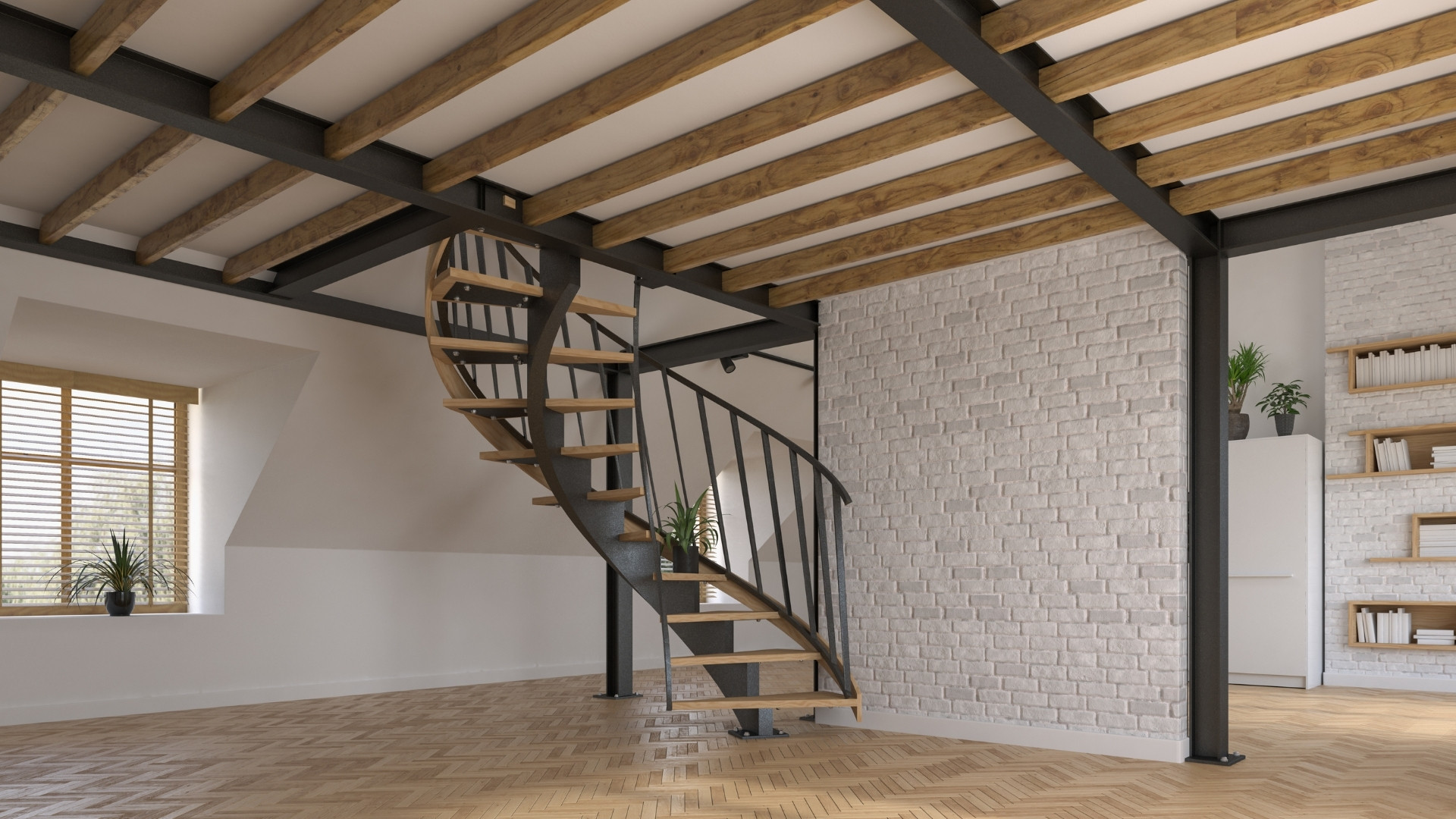
A spiral staircase offers multiple benefits that make it particularly suitable for tiny houses.
Here’s why they are preferred in small-space designs:
Space-Saving Design: Occupies roughly 20–30% less floor space than traditional straight or L-shaped staircases, leaving more room for living and storage.
Flexible Placement: Can be installed in corners, along walls, or as a central feature without obstructing layout flow.
Versatile Materials: Available in metal, wood, or mixed materials to match different interior styles and durability requirements.
Architectural Appeal: Adds visual interest and elegance, serving as both a functional element and a well-engineered design statement.
Integration with Lighting: Supports LED step or railing lighting, improving safety while highlighting the staircase as a feature.
Enhanced Flow: Maintains openness in compact spaces, ensuring natural light reaches more areas and circulation remains smooth.
Key Design Factors to Consider Before Choosing a Spiral Staircase
Before selecting a spiral staircase for a tiny house, you need to consider factors that directly affect usability, safety, and integration with your space.
Key factors include:
Step Size and Tread Depth
The size of each step directly impacts how comfortably and safely you can climb. In tiny houses, you must balance compact design with easy ascent and descent. Deeper treads (7–10 inches) improve step comfort, while narrower treads save space but increase trip risk. Proper tread depth supports smoother daily use and reduces falls.
Height and Floor-to-Floor Clearance
A staircase must match the floor-to-floor height without feeling cramped. Ceiling height and floor distance determine step count, riser height (typically 7–8 inches), and spiral diameter. Plan carefully to avoid clashes with furniture or lighting fixtures.
Material Choice
Material affects both strength and appearance. Metal staircases like steel (36,000 psi tensile) or wrought iron provide long-term durability with minimal upkeep, while wood adds warmth. Combining materials lets you balance sturdiness with design appeal, especially in mixed-style interiors.
Railing and Handrail Design
Handrails ensure safe navigation in tight spirals. Wrought iron, stainless steel, or hardwood rails placed 34–38 inches above steps provide firm support without closing in the space. Thoughtful placement prevents slips and allows easy grip for all users.
Integration with Home Layout
Decide if the staircase will go in a corner or at the center. Plan for furniture placement, natural light, and traffic flow to make the staircase functional, not obstructive.
Addressing these factors early helps avoid layout conflicts, rework during installation, and usability issues after move-in.
Popular Spiral Staircase Design Ideas for Tiny Houses
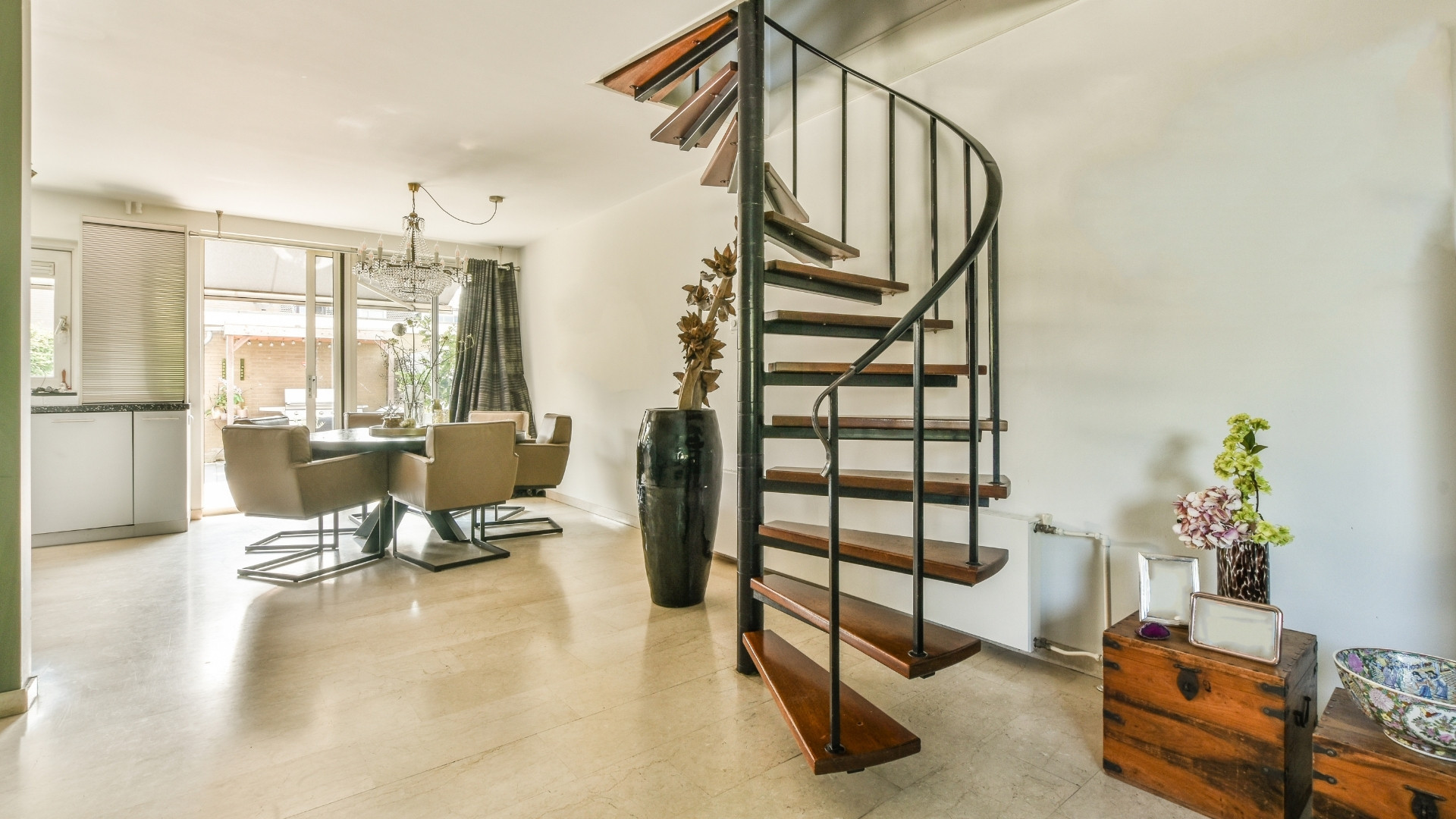
Tiny house designs are increasingly pushing the boundaries of creativity. Spiral staircases can be customized to match any interior style while meeting functional requirements. Here are several ideas that combine efficiency, aesthetics, and practicality.
Closed-Shaft Spiral for Smooth Integration
A closed-shaft spiral staircase features a solid central column and enclosed sides, blending directly into walls or cabinetry. This design integrates the staircase into the structure, preventing it from feeling like a standalone feature.
From a layout perspective, closed-shaft spirals limit visual clutter and maintain defined circulation paths. They also allow adjacent walls to accommodate storage, electrical routing, or insulation without interruption.
Why it works in tiny houses:
Supports cleaner interior zoning
Reduces exposed edges, improving perceived safety
Simplifies coordination with walls and utilities
This option is often preferred in tiny homes where layout discipline and visual order matter as much as space savings.
Open Spiral with Eye-Like Center
An open spiral staircase with a visible center creates a focal point without enclosing the space. The “eye-like” core channels natural light and maintains sightlines, preventing interiors from feeling boxed in.
This design keeps visual continuity across levels, which is essential in small homes where partitions can make spaces feel cramped, and improves passive lighting distribution.
Operational advantages:
Improves natural light flow
Keeps interior visually open
Reduces the need for artificial lighting near stairs
For tiny homes with limited windows or narrow footprints, this approach can help balance form and function.
Slim Radius Spiral for Tight Corners
Slim radius spiral staircases fit into corners as small as 24–30 inches in diameter, preserving usable floor area without obstructing living zones.
While the tighter radius demands precise tread design, it allows designers to maximize open floor space for kitchens, seating, or work areas, ensuring usable square footage delivers maximum value.
Best suited for:
Corner placements
Loft access in ultra-compact layouts
Homes prioritize floor space over stair width.
When engineered correctly, slim radius spirals maintain stability and safe usability without increasing footprint.
Compact Metal Spiral with Open Treads
A compact metal spiral staircase with open treads combines durability with low visual weight. Metal allows thinner structural components, while open treads enhance light and sightline flow.
This design is particularly effective in tiny houses with frequent use. Metal steps rated for 250 lb per tread ensure durability with minimal maintenance, and open risers reduce the heavy visual impact of traditional stairs.
Key performance benefits:
Lower structural thickness
Better airflow and light penetration
Long service life with minimal upkeep
For projects prioritizing longevity and clean design, this tiny house spiral staircase option performs well under daily use.
Storage-Integrated Spiral with Built-In Shelves
Storage-integrated spiral staircases convert unused under-stair space into functional storage zones. Built-in shelves, cubbies, or cabinets reduce clutter without requiring extra furniture.
In tiny houses, storage efficiency directly impacts livability. Integrating storage organizes the home without expanding the footprint.
Practical use cases
Books, tools, or pantry storage
Utility or cleaning supplies
Display shelving without added wall units
This approach optimizes space use and stabilizes interior layouts.
Floating Spiral with Slim Stringer
A floating spiral staircase with a slim stringer creates the effect of steps suspended in the air. Reduced structural visibility keeps interiors open and less congested.
Fabrication and installation require precision, but the staircase occupies physical space without dominating it visually. This is valuable in tiny houses where visual openness enhances comfort and perception of space.
Why designers choose it
Minimizes visual obstruction
Supports modern, minimalist interiors
Helps small rooms feel larger
This design is often selected when aesthetics and spatial flow are key priorities.
Alternating Tread Spiral Variant
An alternating tread spiral variant combines compact spiral geometry with staggered step patterns. Each step fits one foot (approx. 10-inch tread depth), allowing a steeper 50° climb while maintaining controlled footing.
This design reduces horizontal space requirements, making it ideal for lofts or secondary access points. While not suitable for all users, it supports functional access in extremely space-constrained homes.
Important considerations:
Requires user familiarity
Best for low-traffic areas
Needs precise fabrication for safety
When used correctly, this option provides access without compromising core living space.
Selecting a design that matches your home’s layout and style can improve daily usability and make the staircase a signature feature.
Safety Considerations for Tiny House Spiral Staircases
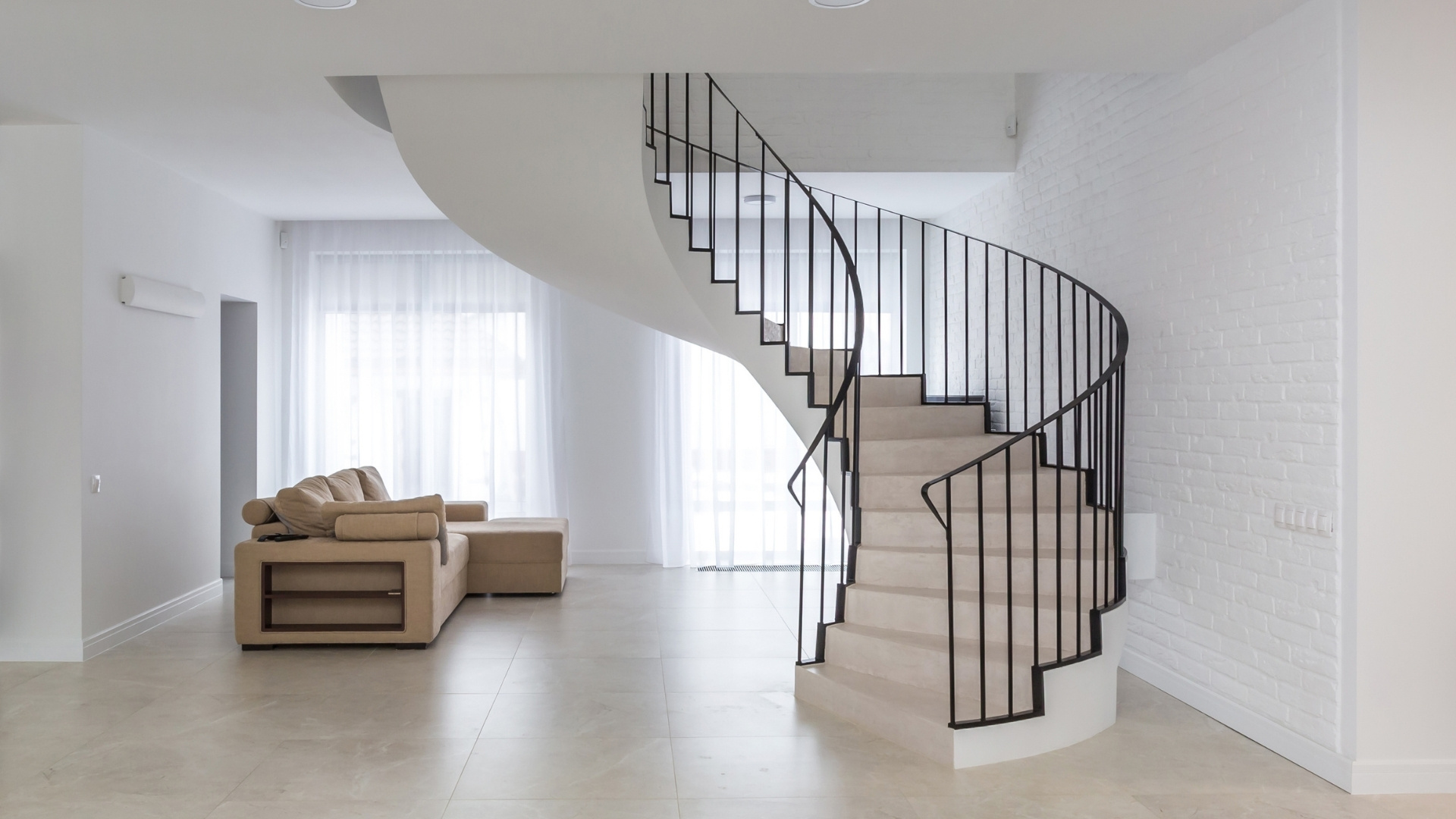
Even well-designed spiral staircases can pose hazards if safety isn’t prioritized. Tiny homes, in particular, demand extra attention due to limited space and tighter steps.
Step and Riser Consistency: Uniform step height and tread depth prevent missteps. Keep riser variations under 1/8 inch to avoid trips. Consistent steps are essential for safe daily use.
Non-Slip Surfaces: Materials and finishes reduce slip risk. Use textured metal or wood with anti-slip coatings, especially in moisture-prone areas or heavy-traffic zones.
Handrail Placement and Height: Install continuous handrails on both sides where possible, 34–38 inches above the steps. Proper height and grip design support users of varying ages and abilities.
Lighting Integration: Adequate lighting ensures visibility and reduces accidents. Options include LED-integrated steps, wall-mounted lights, or central overhead lighting that highlights the staircase without creating shadows.
Compliance with Local Codes: Adhering to building codes ensures both safety and legal compliance. Ceiling height, tread width, riser height, and handrail requirements may vary by state or municipality, making professional guidance essential for custom installations.
Safety measures protect usability, reduce downtime from design issues, and stabilize installation lead times.
How Acadia Stairs Can Help with Your Tiny House Stair Design?
Designing a staircase for a tiny house requires precision, creativity, and expertise. Acadia’s team combines decades of experience in modern staircase design, helping clients balance space efficiency with structural performance.
Here’s how we can assist you:
Custom Designs for Every Space: Acadia Stairs provide a 3D rendering of your stair design before we enter the shop drawing phase, helping you envision the staircase in its environment.
Material Expertise: We also offer specialized metal fabrication services, including custom railings, metal & wood finishes, and other structural elements.
Safety and Code Compliance: All staircases are designed with safety in mind, meeting relevant building codes while providing comfortable access in compact spaces.
Consultation and Planning: Acadia Stairs offers consultations for stairwell layouts, railing design, and material selection, helping homeowners and contractors make informed decisions that reduce installation complications.
Partnering with Acadia Stairs can simplify the design process, reduce construction challenges, and ensure the final product aligns with your home’s layout.
Conclusion
Spiral staircases are an ideal solution for tiny homes, providing a compact footprint, versatile design options, and architectural appeal. Careful consideration of layout, materials, step dimensions, and safety features ensures the staircase enhances the living environment without compromising usability.
Designing a staircase that complements your home’s style while supporting safe and efficient movement requires thoughtful planning. Expert partners like Acadia Stairs can help create a custom spiral staircase that balances beauty, safety, and utility while optimizing every inch of space in your tiny home.
For tailored staircase solutions that meet your design and functional needs, contact Acadia Stairs today.
FAQs
How much space does a spiral staircase require in a tiny house?
Spiral staircases are space-saving by design, typically requiring a diameter of 4–6 feet. This compact footprint allows them to fit in tight corners without compromising usability, making them ideal for tiny houses where maximizing floor space is crucial.
What materials are ideal for durable and stylish tiny house spiral staircases?
Steel, wrought iron, and hardwood are popular choices for tiny house spiral staircases. Steel and iron offer strength and a modern look, while hardwood adds warmth and style. Combining materials, like wooden treads with a metal frame, can enhance both durability and aesthetics.
Are spiral staircases safe for tiny houses with children or elderly residents?
Spiral staircases can be safe if designed with proper handrails, non-slip treads, and suitable rise/run proportions. Extra care is needed for children or elderly residents, as narrow treads and tight turns can pose fall risks without appropriate safety features.
What is the average cost of installing a spiral staircase in a tiny house?
Installation costs vary by materials, design, and complexity, typically ranging from $1,500 to $5,000. Custom designs or premium materials can increase the price. Labor costs also depend on location and whether the staircase is pre-fabricated or built on-site.
Do spiral staircases meet building codes for tiny houses on wheels (THOWs)?
Yes, spiral staircases can meet THOW building codes if they comply with tread width, rise, and handrail requirements. Local regulations vary, so it’s essential to verify dimensions, weight restrictions, and safety standards before installation.