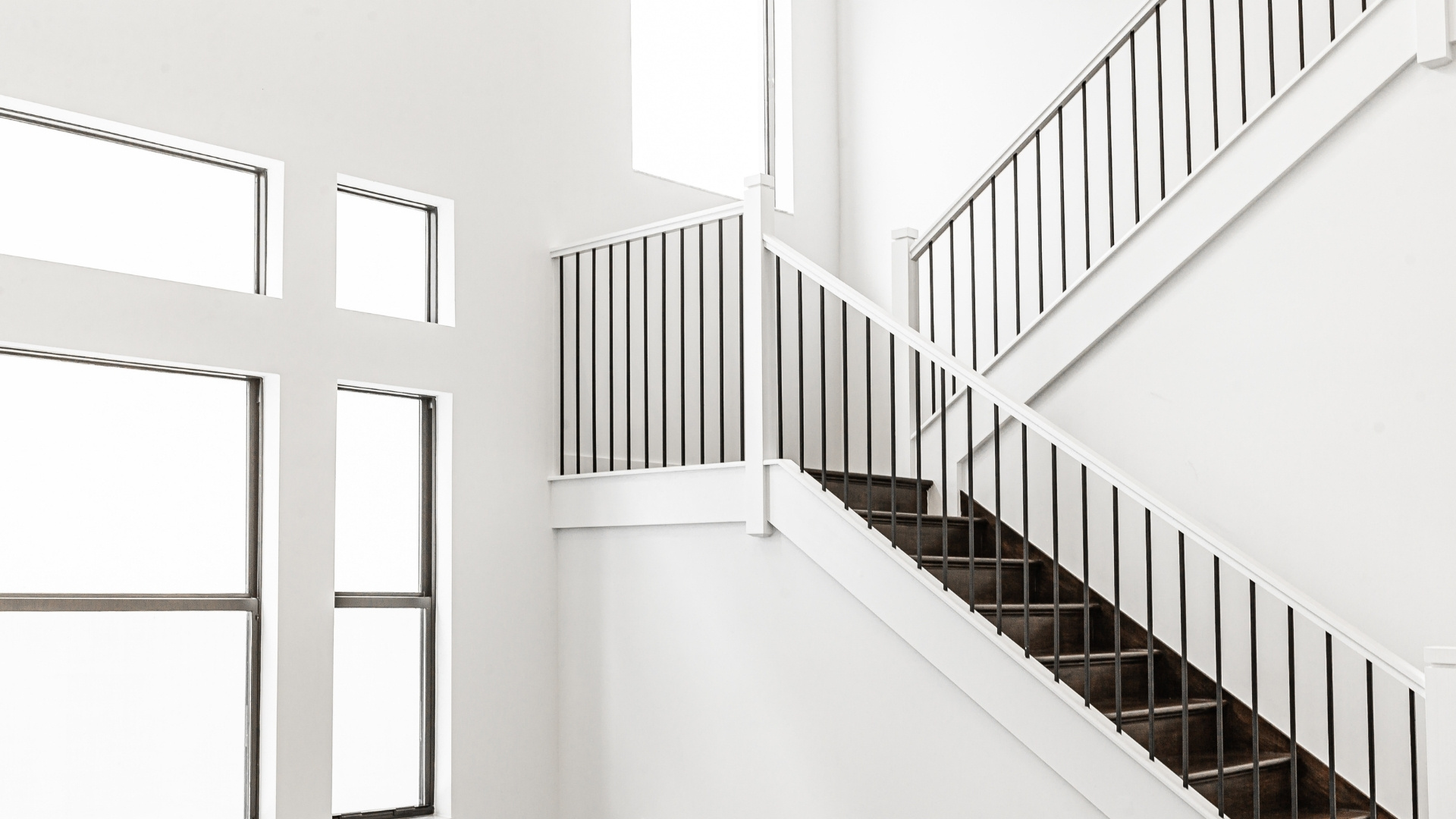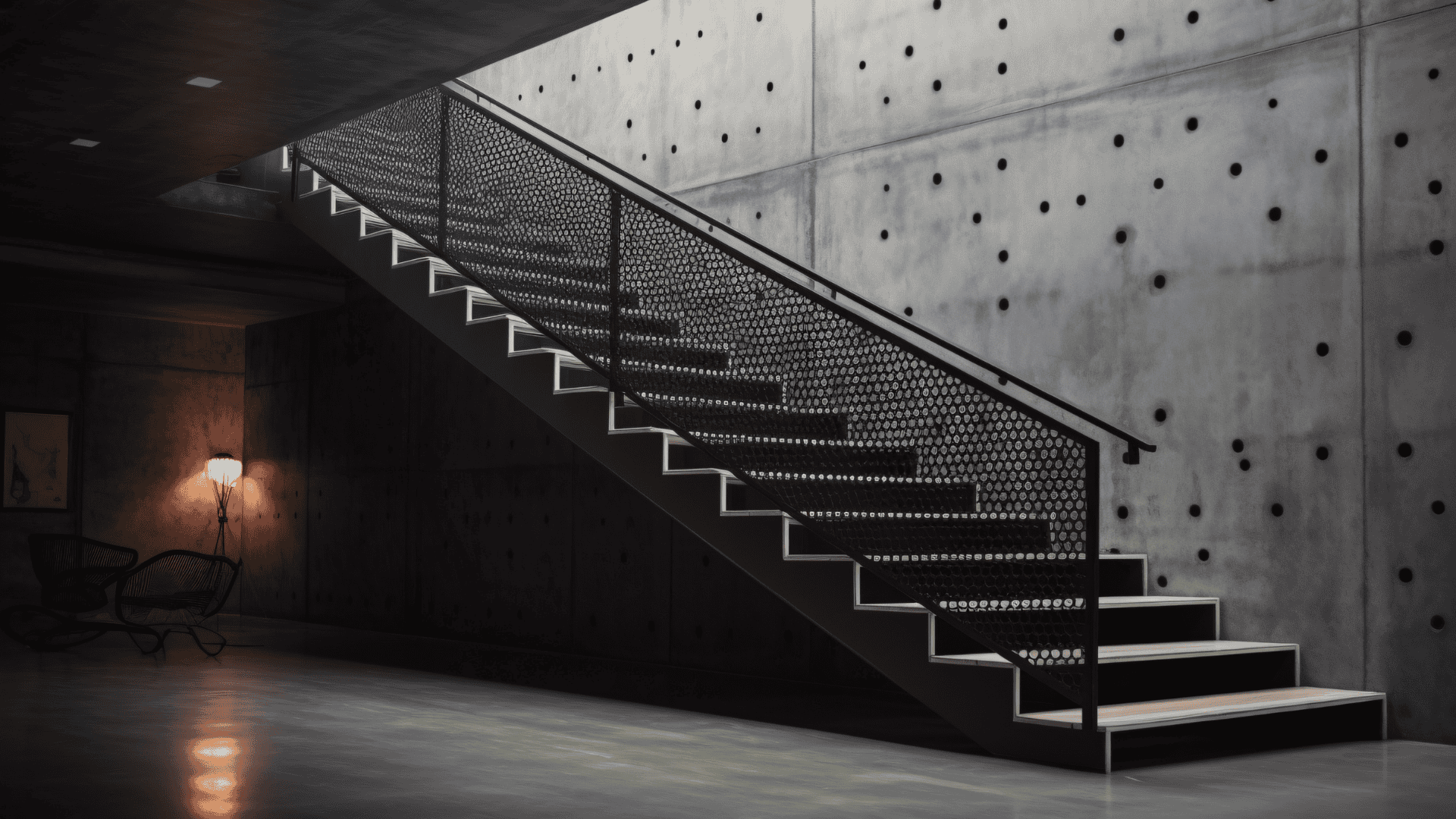
When you plan a modern staircase, the handrail profile is rarely the first decision you make. Yet it often becomes one of the most visible and technically sensitive elements once construction begins. Small choices around profile shape, attachment method, or grip comfort can affect safety, inspections, and coordination across trades.
If you are specifying a contemporary stair handrail, you are likely balancing clean geometry with real-world performance. Modern stair systems demand handrails that integrate smoothly with stair structure, railing infill, and finishes, without compromising usability or code compliance.
This guide helps you assess contemporary stair handrail profiles from a planning and specification perspective. It focuses on how profile choices affect safety, coordination, and long-term performance for residential and light commercial stair systems in 2026.
Key Takeaways
Contemporary stair handrail profiles affect grip comfort, safety, and code compliance more than appearance alone.
Profile selection influences attachment methods, fabrication tolerances, and coordination with railing systems.
IRC and IBC requirements shape which handrail profiles are practical in modern stair systems.
Late profile changes often cause rework and inspection issues.
Early coordination reduces installation risk and long-term usability problems.
What Defines a Contemporary Stair Handrail Profile?
Before comparing profile options, it helps to clarify what "contemporary" means in this context.
A contemporary stair handrail profile is defined by its geometry, continuity, and integration, not decoration. Profile refers to the cross-sectional shape of the handrail, not the entire railing system.
Your profile choice affects:
How users grip the rail.
How the rail connects to walls or posts.
How cleanly it aligns with modern stair geometry.
Because of this, profile selection is a functional decision as much as a visual one.
Why Handrail Profile Selection Matters in Modern Stair Systems
As stair systems become more minimal, handrails carry more responsibility. They are often the primary point of contact for users and a critical safety component during ascent and descent.
Profile selection directly affects:
Grip comfort across different hand sizes.
Continuity along the stair run.
Compatibility with glass, cable, or metal guards.
Ease of fabrication and installation.
When profiles are selected late, attachment conflicts and code issues often follow. Locking profile decisions early helps avoid downstream coordination problems.
Common Contemporary Stair Handrail Profiles Used Today
With the role of profiles established, you can now evaluate the most commonly specified options in modern stair systems.
1. Flat Bar Handrail Profiles
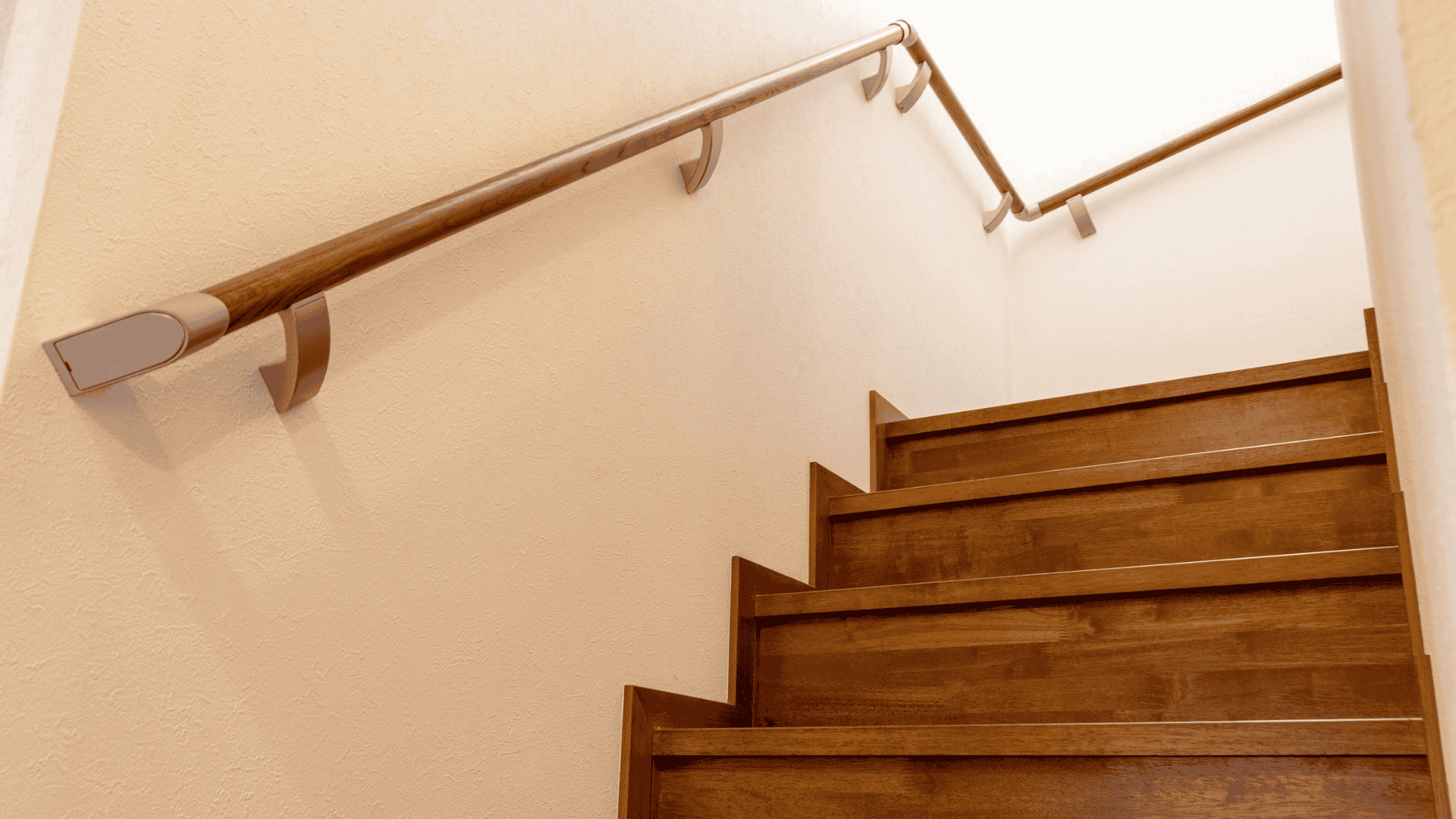
Flat bar profiles align well with minimalist stair designs and clean architectural lines.
You typically see them used where:
Visual alignment is prioritized.
Handrails double as design features.
However, flat profiles can be less comfortable to grip for some users. You should confirm grip acceptability and code interpretation before specifying them widely.
2. Round and Tubular Handrail Profiles
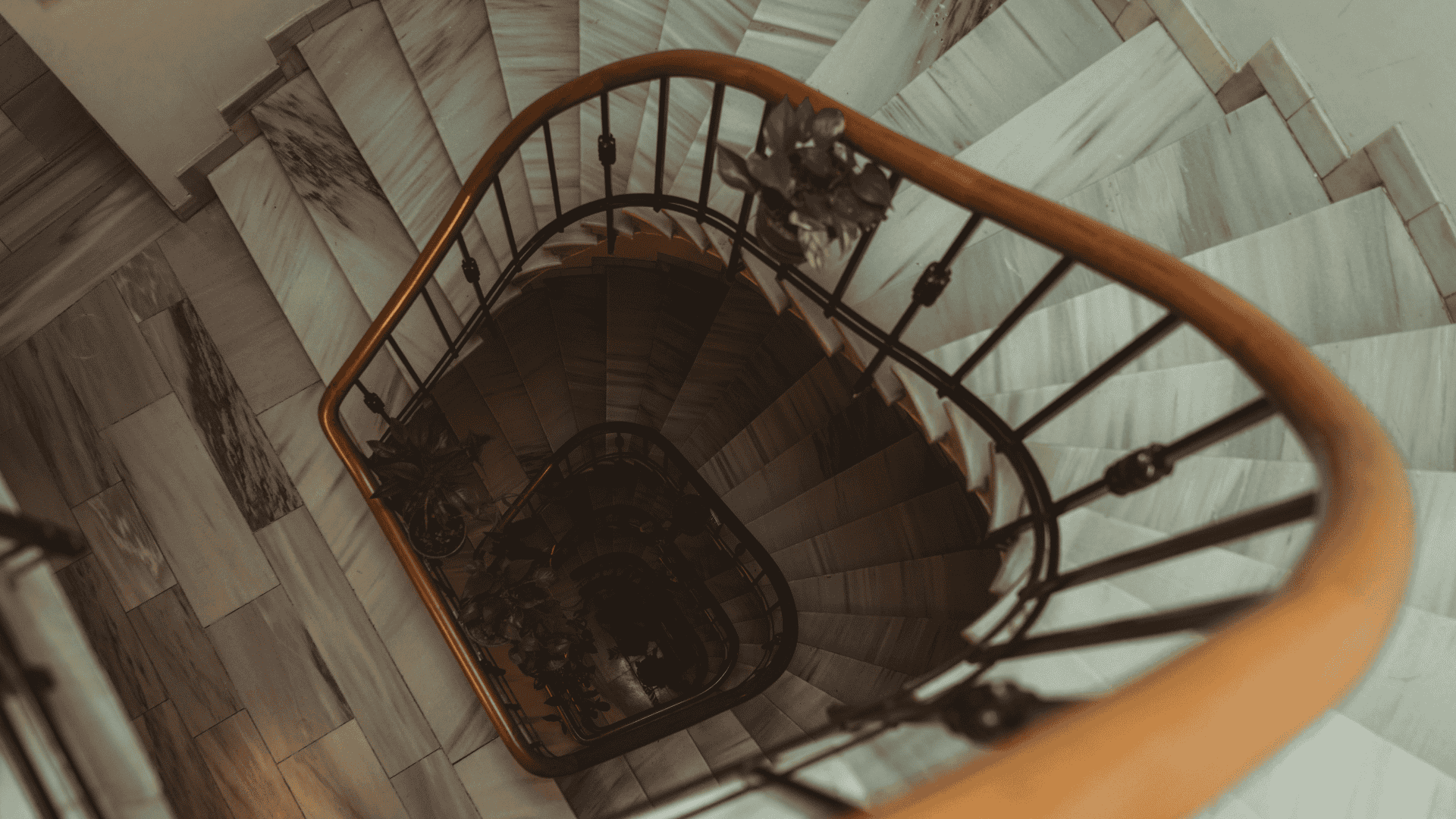
Round and tubular profiles remain widely specified because they balance comfort and compliance.
They work well when:
Grip comfort is a priority.
The stairs serve daily circulation.
Code interpretation needs to be straightforward.
Their geometry supports a consistent grip and simpler attachment detailing.
3. Rectangular and Boxed Handrail Profiles
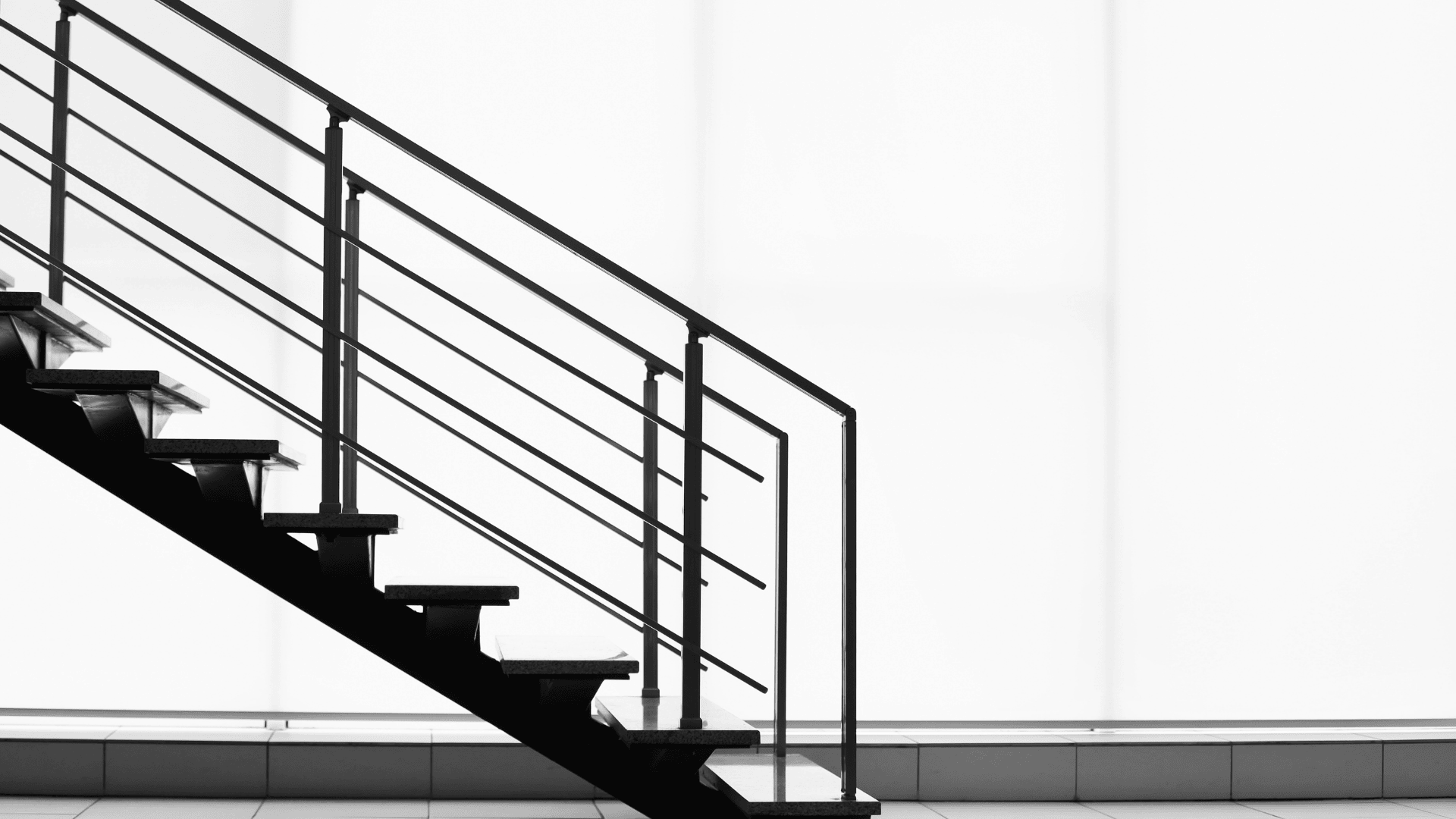
Rectangular profiles are often chosen to match modern stair geometry.
You should use them carefully, as:
Sharp edges reduce grip comfort.
Some profiles struggle to meet code expectations.
Attachment tolerances become tighter.
These profiles are best suited for controlled-use stairs rather than high-traffic applications.
4. Custom and Hybrid Handrail Profiles
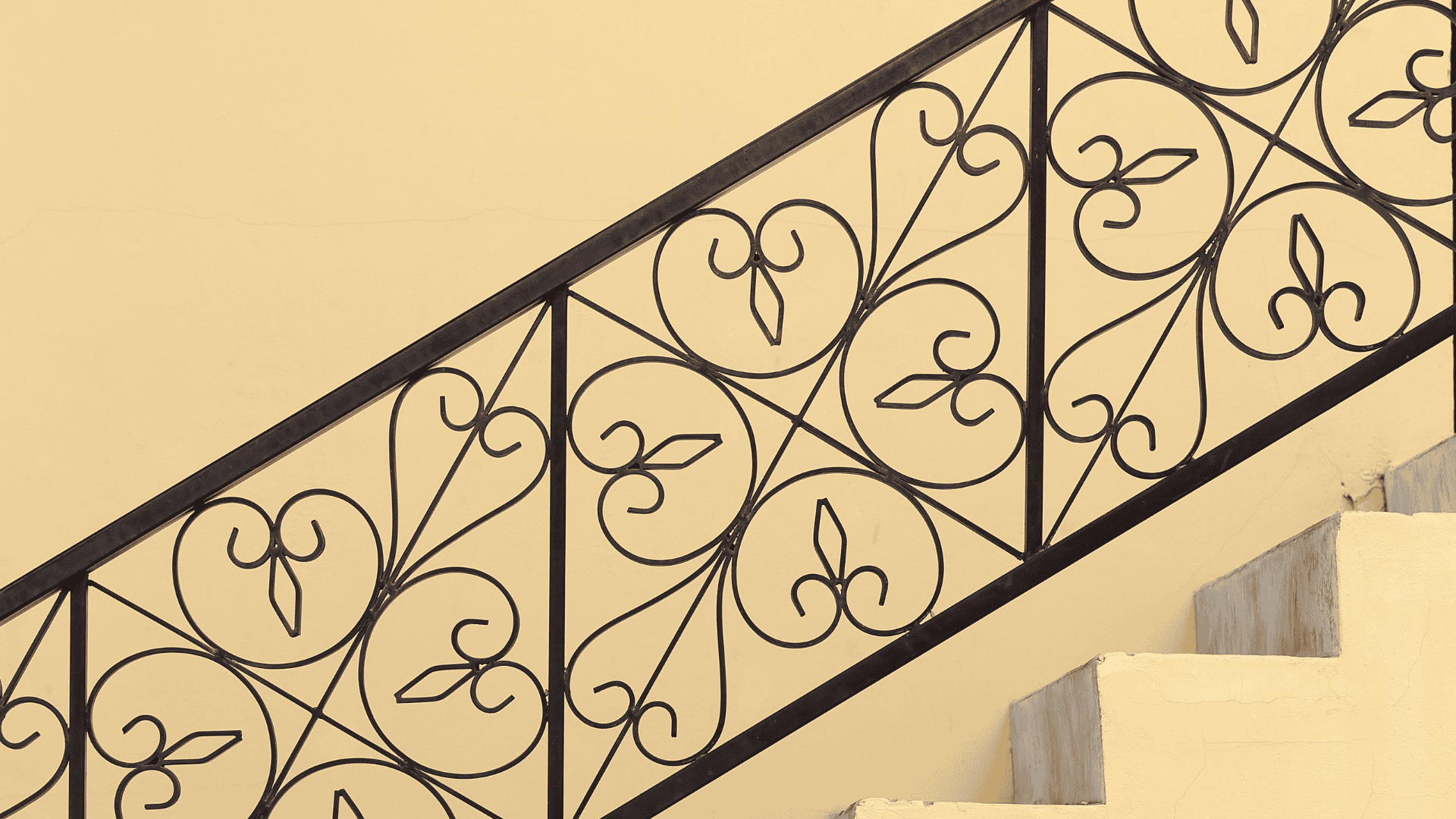
Custom handrail profiles allow design flexibility but increase coordination risk.
They are typically justified when:
The stair is a feature element.
The project allows early shop drawing review.
Fabrication tolerances are well controlled.
You should avoid custom profiles unless layout, attachment, and code considerations are resolved early.
Contemporary Stair Handrail Configurations Used in Modern Systems
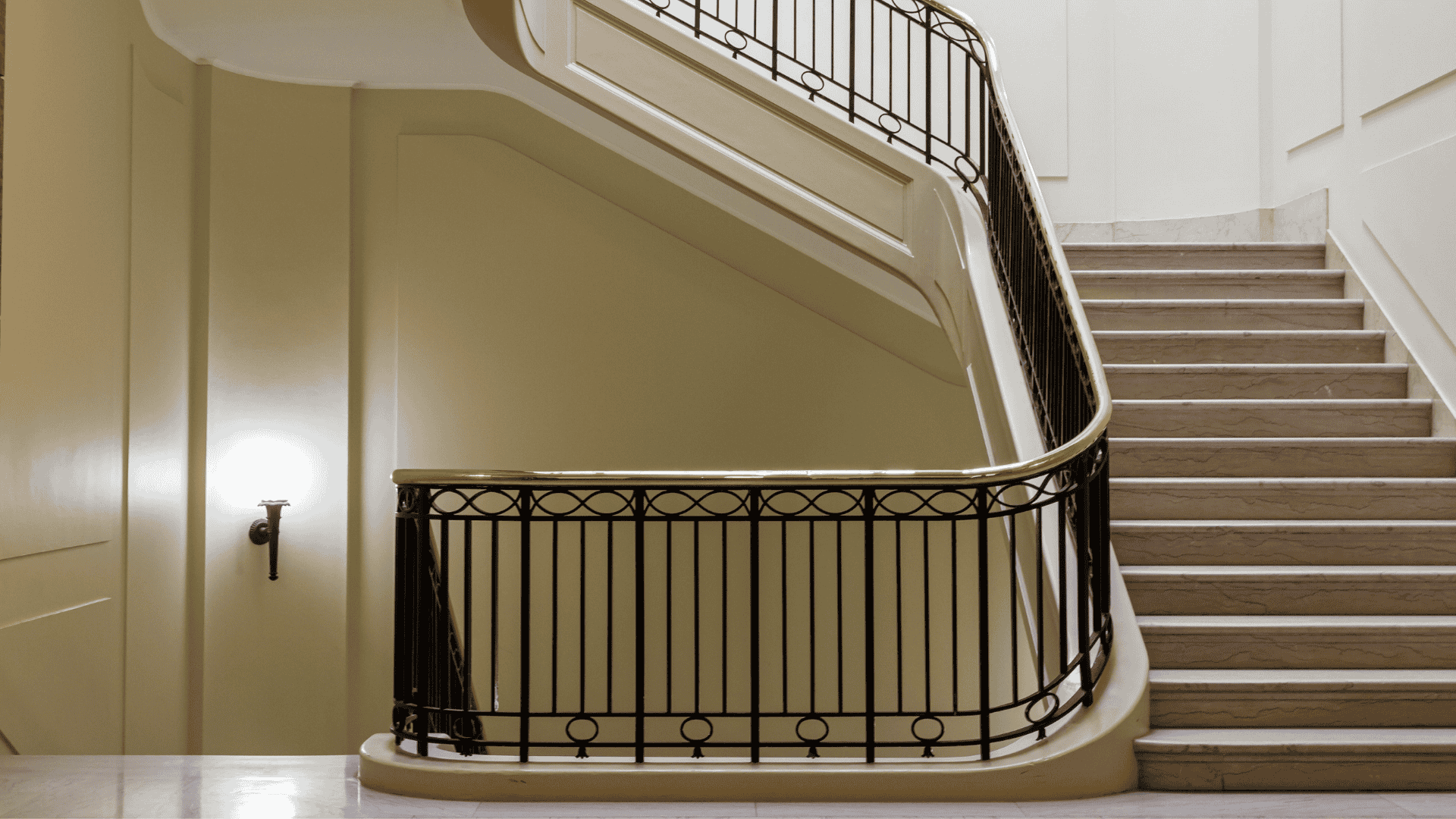
Beyond profile shape, contemporary stair handrails are also defined by how they are configured and integrated into the stair system. These configurations affect attachment methods, load transfer, and coordination with surrounding elements.
1. Minimalist Handrail Configurations
Minimalist handrails focus on clean geometry and unobtrusive integration.
You typically specify them when:
The stairs rely on open risers or floating treads.
Visual continuity is important.
Handrails must integrate quietly with the stair structure.
These configurations demand precise alignment and tight tolerances to avoid visual misalignment.
2. Wall-Mounted Handrail Configurations
Wall-mounted handrails are selected for clarity and space efficiency.
They work best when:
The stairs do not use balusters or guard rails.
Clear walking space must be preserved.
Attachment points can be coordinated early.
Proper wall backing and attachment detailing are critical to avoid movement over time.
3. Open-Riser Stair Handrail Configurations
These configurations are used with floating or open-riser stairs.
They are appropriate when:
Visual openness is a priority.
The handrail must integrate with glass or cable guards.
Structural coordination is resolved early.
Because open-riser stairs expose more of the handrail system, installation accuracy becomes especially important.
Safety Checks That Guide Handrail Profile Selection
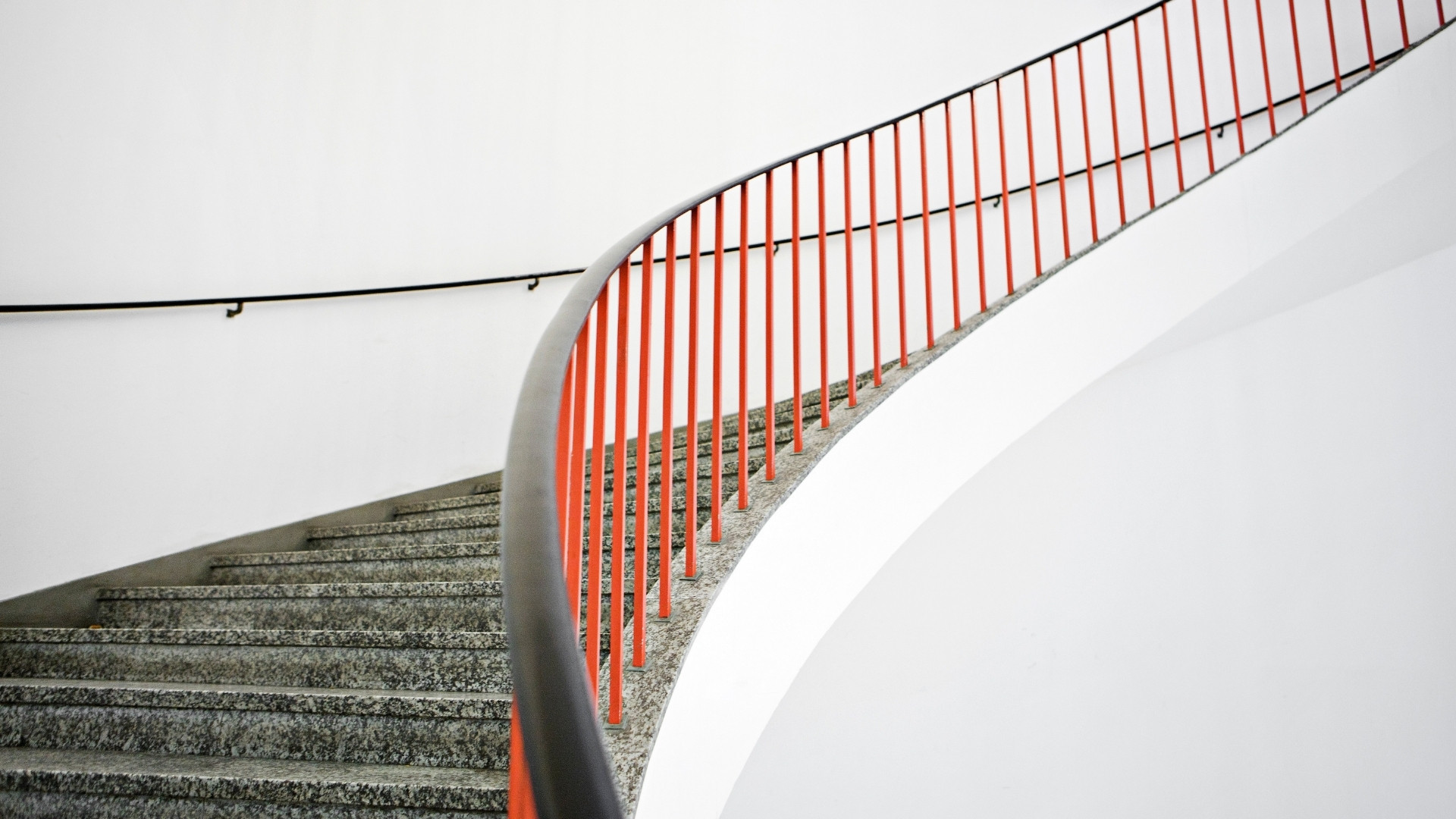
After narrowing down profile options, you need to confirm whether the selected handrail will perform safely under real-use conditions. Safety issues tied to handrail profiles often surface during daily use or inspection, not during design review.
Before finalizing the profile, you should confirm the following.
1. Check Grip Comfort During Descent
Confirm that the profile allows a secure grip when users are moving down the stairs. Profiles that feel acceptable during ascent can become difficult to hold during descent, especially on steeper runs.
2. Confirm Continuous Graspability
Verify that the handrail can be held continuously from the first riser to the last. Breaks, profile changes, or obstructions along the run increase fall risk and frequently trigger inspection comments.
3. Review Edge Conditions and Contact Points
Check for sharp corners, hard transitions, or thin sections where the hand meets the rail. These conditions can cause discomfort or reduce user confidence during movement.
4. Account for Exterior and Semi-Exposed Use
If the stair is exterior or partially exposed, confirm that the profile remains usable with wet or cold hands. Slippery or narrow profiles increase loss-of-grip risk under these conditions.
Handrail profiles that pass visual review can still fail under use. Prioritizing safe hand contact over appearance reduces liability and long-term complaints.
How Code Requirements Shape Handrail Profile Selection in the U.S
After safety considerations, code compliance becomes the next checkpoint.
In the United States, stair handrail requirements are governed by the International Code Council, primarily through:
The International Residential Code for one and two-family homes.
The International Building Code for commercial and multi-family projects.
Handrail profile geometry affects:
Graspability
Continuity
Height and clearance compliance
You should confirm which code applies and review local amendments early, as profile acceptability can vary by jurisdiction.
Key Planning Checks for Contemporary Stair Handrail Profiles
Before committing a handrail profile to shop drawings or fabrication, you should close out a short set of planning checks. These checks reduce late-stage changes that commonly surface during inspection or installation.
1. Confirm Profile Dimensions and Grip Early
Verify that the selected profile meets graspability expectations across the full stair run. Profiles that look acceptable at mockup scale can feel awkward once installed, especially on steeper stairs.
Inspection trigger: Handrail fails graspability review or is flagged as difficult to hold during descent.
2. Match Attachment Method to Actual Construction
Confirm how the handrail will attach to walls, posts, or the stair structure. Mismatches between assumed attachment points and real framing often require on-site fixes or bracket changes.
Inspection trigger: Handrail movement or loose brackets observed during site inspection.
3. Align Handrail Profiles With Guard and Infill Systems
Check that the profile integrates cleanly with glass, cable, or metal infill. Misalignment at corners, returns, or transitions is a common source of rework.
Inspection trigger: Discontinuous handrail path or misaligned transitions at corners and returns.
4. Freeze the Profile Before Fabrication
Once fabrication begins, profile changes affect brackets, welds, finishes, and installation sequencing. Locking the profile early prevents cascading revisions.
Treat these checks as prerequisites, not follow-ups. Most handrail-related delays occur because one of these steps was skipped or handled too late.
Inspection trigger: Field modifications required to resolve profile conflicts with installed framing or guards.
Structural and Attachment Implications of Handrail Profiles
Profile geometry influences how loads transfer into walls, posts, or stair structures.
You should coordinate:
Wall-mounted versus post-mounted attachment methods.
Deflection control under normal use.
Integration with glass, cable, or metal guards.
Profiles that appear similar visually can behave very differently structurally. Early coordination avoids performance issues later.
5 Common Handrail Profile Coordination Mistakes
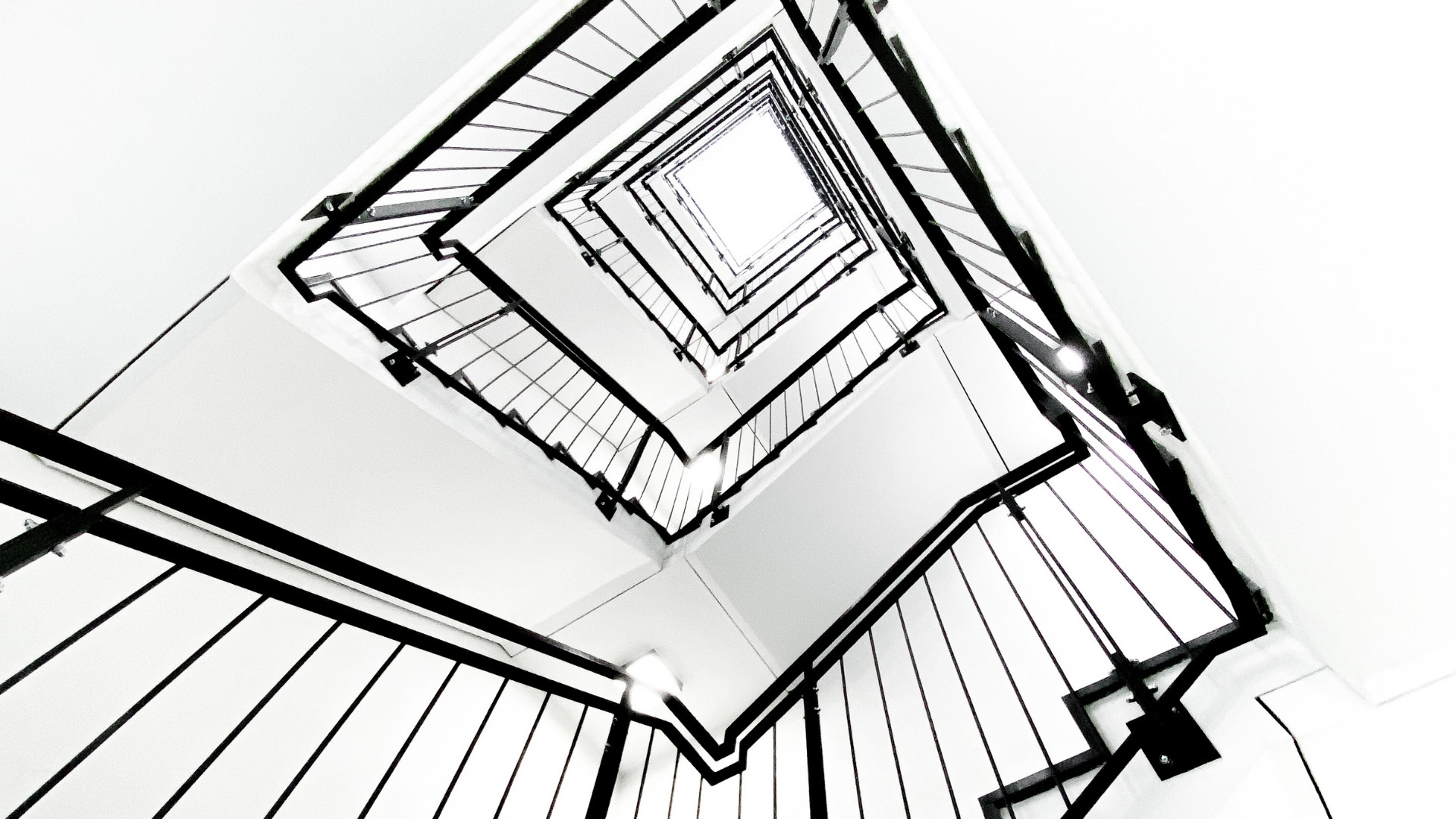
Most handrail profile problems start during planning, not fabrication. They appear later because early decisions were delayed, assumed, or split across trades.
1. Choosing Profiles Based on Appearance Alone
When profiles are selected to match visual intent without checking grip and continuity, safety concerns surface during inspection or first use. Always confirm how the profile feels in hand, not just how it looks on drawings.
2. Skipping Grip Review During Early Layout
Grip comfort is often assessed after the stair is framed, when profile changes are difficult. Testing grip expectations early avoids late substitutions that affect brackets, finishes, and lead times.
3. Changing Profiles After Fabrication Starts
Profile changes after fabrication impact more than the handrail itself. Bracket spacing, weld locations, and return details may no longer align, forcing field adjustments.
4. Overlooking Alignment With Stair Geometry
Profiles that do not follow stair pitch, landings, or transitions cleanly create gaps and uneven returns. These misalignments are commonly flagged during inspection or noticed during installation.
5. Treating Handrails as Separate From Stair Planning
When handrails are coordinated independently from stair geometry, attachment conflicts and clearance issues appear. Handrail profiles should be planned alongside treads, guards, and finishes.
Each of these mistakes increases rework, inspection risk, and installation time. Closing profile decisions early keeps coordination under control.
Handrail Profile Coordination Risks and On-Site Consequences
Once profile decisions move into fabrication and installation, small coordination gaps become visible on-site. The following table shows how common handrail profile missteps translate into practical consequences during inspection and installation.
Coordination Risk | Likely On-Site Consequence |
Profile selected without grip review. | Handrail flagged as difficult to hold during descent. |
Late profile change after fabrication. | Bracket relocation and field modifications required. |
Profile not aligned with stair pitch. | Visible gaps or uneven handrail transitions. |
Attachment method assumed, not verified. | Loose or shifting handrail during inspection. |
Profile planned separately from guards. | Discontinuous handrail path or clearance issues. |
Understanding how coordination risks surface on site makes it easier to identify where specific handrail profiles perform reliably. With those risks in mind, the next step is to match profile selection to use conditions and stair function.
When Certain Contemporary Handrail Profiles Work Best
Profile suitability depends on how the stair will be used and who will use it.
Daily-use residential stairs benefit from profiles that support a secure grip during frequent ascent and descent. Comfort and consistency matter more than visual impact because small grip issues show up quickly with repeated use.
Features such as stairs with controlled access allow more flexibility in profile shape and size. When usage is occasional, you can accommodate profiles that prioritize alignment with stair geometry over maximum grip comfort.
Commercial or shared-use stairs typically require conservative profiles that are easy to grasp and straightforward to approve. Predictable geometry reduces inspection questions and supports safer movement under varied use conditions.
Matching the handrail profile to expected use helps reduce complaints, inspection notes, and long-term wear.
When to Avoid Certain Handrail Profiles
Not every contemporary handrail profile performs well under real stair use conditions. Some profiles create safety or compliance issues when traffic, exposure, or user needs exceed their limits. Identifying these situations early helps you avoid inspection delays, rework, and long-term liability.
Handrail profiles must allow a secure, continuous grip along the full stair run. Profiles that restrict hand contact increase inspection and safety risk.
Profiles with sharp edges or narrow contact points should be avoided where assisted movement or accessibility is expected, as they reduce user confidence during ascent and descent.
Slim or flat profiles perform poorly on exposed stairs. Wet, cold, or gloved hands reduce grip reliability and often lead to inspection comments.
Profiles selected mainly for visual alignment should be avoided on stairs with heavy or unpredictable traffic, where repeated use amplifies discomfort and wear.
When a profile cannot perform consistently under real use conditions, prioritizing grip comfort and continuity lowers inspection issues and long-term liability.
In these cases, prioritizing comfort and compliance reduces liability.
How Acadia Stairs Supports Contemporary Handrail Planning
Once you lock a contemporary stair handrail profile, the success of the system depends on execution accuracy. Profile intent must translate cleanly into fabrication, attachment, and installation without forcing field adjustments.
Acadia Stairs supports contemporary handrail planning by working as a coordination and fabrication partner, not just a supplier.
You benefit from:
Fabrication-ready shop drawings: Handrail profiles, returns, brackets, and transitions are detailed in shop drawings that align with stair geometry, wall conditions, and guard systems. This helps you confirm constructability before fabrication begins.
Integrated stair and handrail coordination: Handrails are planned alongside stair stringers, treads, and railing infill. This reduces misalignment at landings, corners, and elevation changes, which commonly require on-site fixes.
Metal-focused fabrication expertise: Acadia Stairs specializes in steel and metal stair systems, allowing tighter tolerances, consistent geometry, and reliable attachment detailing for contemporary handrail profiles.
Support for interior and exterior applications: Handrail planning accounts for exposure conditions, attachment loads, and long-term stability, whether the stair is interior, exterior, or partially exposed.
Nationwide project support from Fishkill, New York: Fabricated stair and handrail components are shipped across the United States, supporting builders, stair contractors, and metal workers on projects in multiple regions.
By coordinating handrail profiles early and detailing them for fabrication, Acadia Stairs helps you reduce inspection risk, avoid late-stage changes, and deliver modern stair systems that perform as planned.
Conclusion
Contemporary stair handrail profiles should be treated as functional system components, not decorative afterthoughts. Profile decisions affect safety, code compliance, and coordination across modern stair systems.
By assessing grip comfort, attachment methods, and code requirements early, you reduce rework and improve long-term usability. Plan contemporary stair handrail profiles early, and treat them as part of the stair system. That discipline supports safer installs and more reliable performance in 2026. Contact Acadia Stairs Today!
FAQs
1. Can handrail profiles affect stair inspections?
Yes. Handrail profile geometry affects graspability, continuity, and clearance, all of which are reviewed during stair inspections under applicable building codes.
2. Are flat handrail profiles code-compliant?
Flat handrail profiles may be permitted in some jurisdictions, but acceptance depends on graspability requirements, stair use type, and local IRC or IBC amendments.
3. Which handrail profile is best for daily use?
Round or tubular handrail profiles are commonly specified for daily-use stairs because they provide consistent grip comfort and simpler compliance with code requirements.
4. Do custom handrail profiles increase project risk?
Custom handrail profiles increase coordination risk because they require precise attachment detailing, early shop drawing approval, and closer review of code and safety implications.
5. How early should handrail profiles be finalized?
You should finalize handrail profiles before fabrication begins. Late profile changes often cause rework, attachment conflicts, and inspection delays.