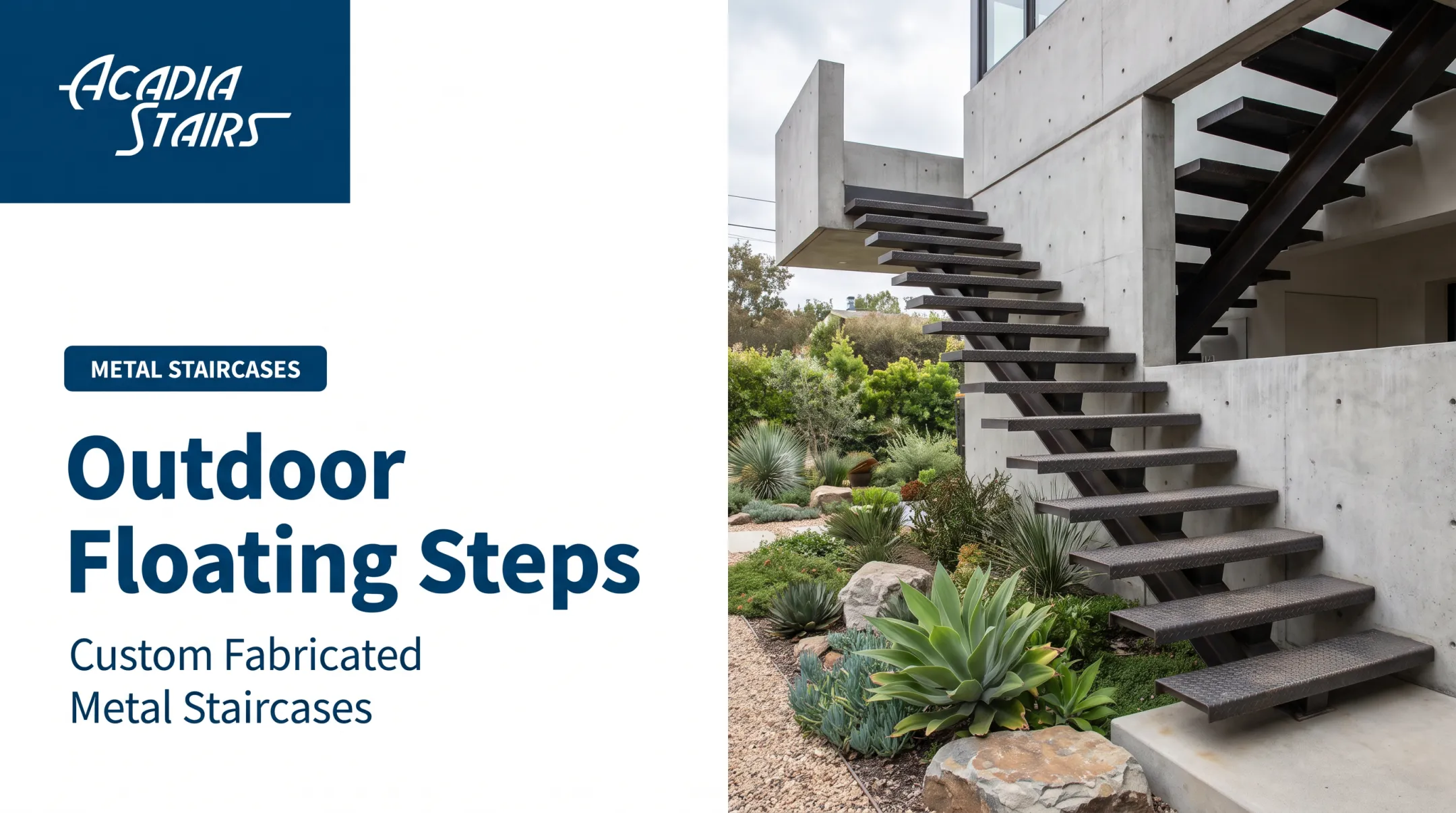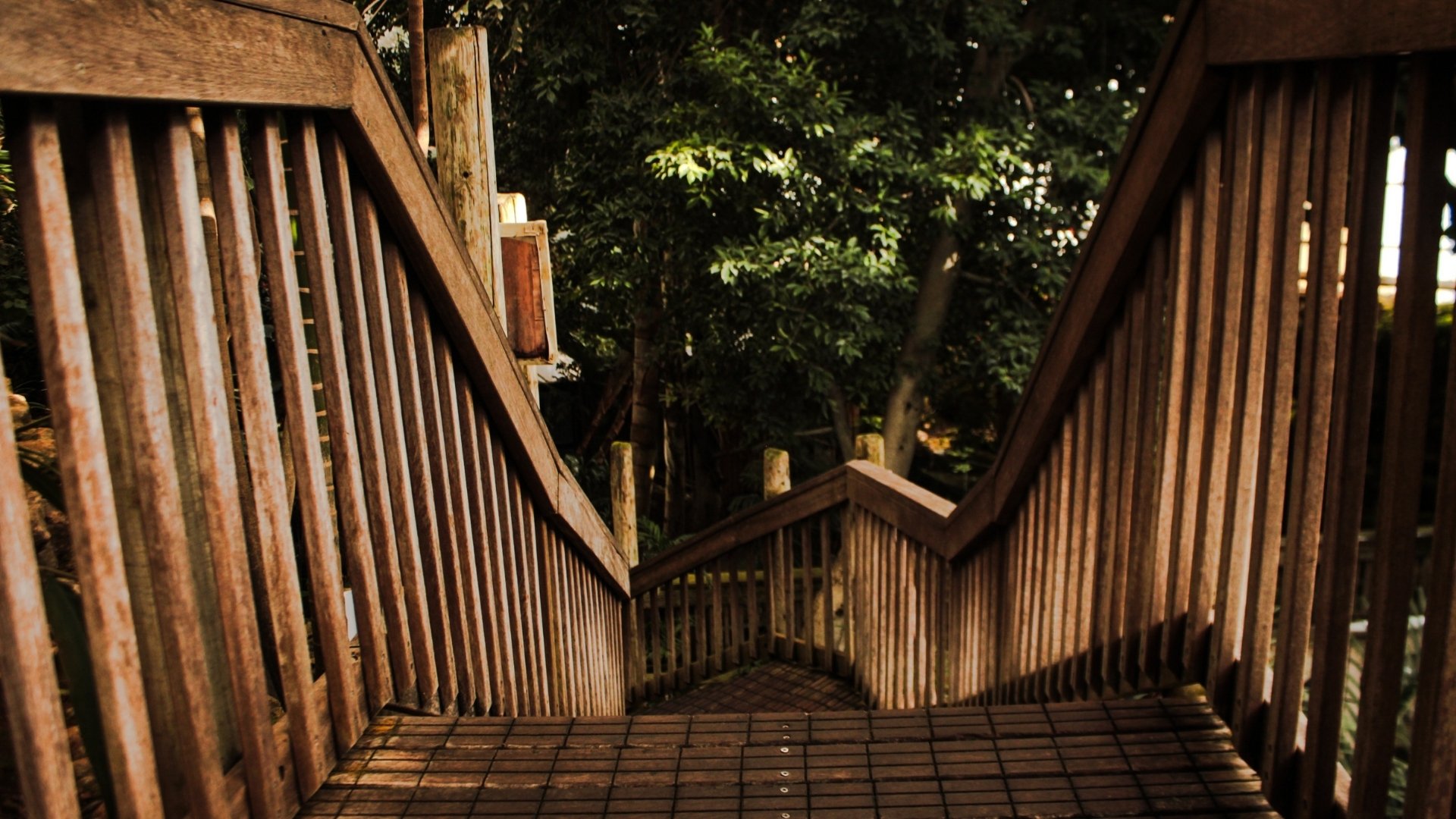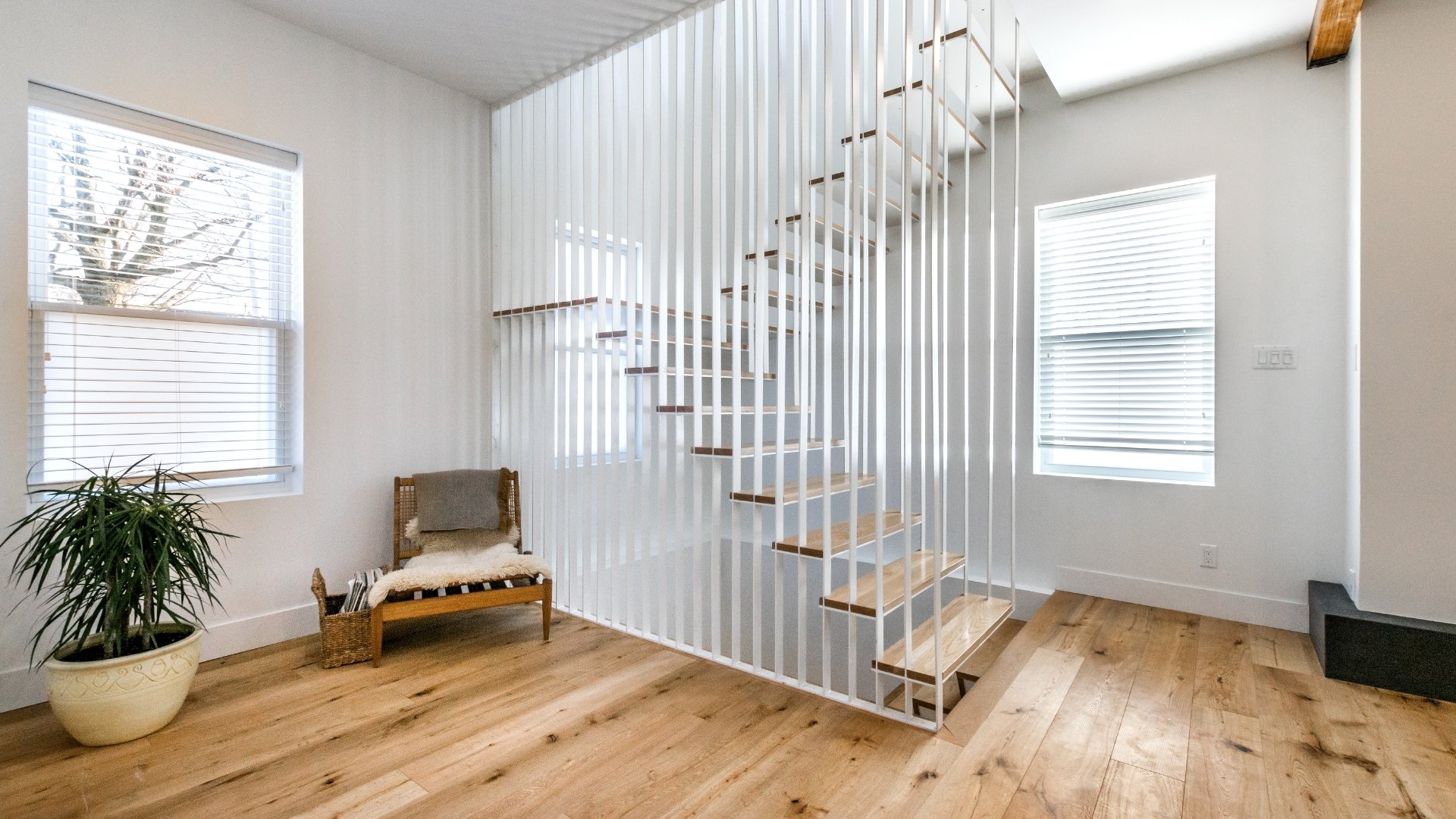
When you plan outdoor stairs, you're often working within tight site conditions, weather exposure, and inspection pressure at the same time. What looks like a simple exterior connection can quickly turn into a safety or maintenance concern if early decisions are rushed.
You may start by looking for outdoor stair ideas to solve an access need, but exterior stairs behave very differently from interior systems. Moisture, debris, temperature changes, and daily wear all affect how safe and reliable the stair remains over time.
As a builder or contractor, you're balancing usability, code requirements, and long-term durability, not just appearance.
This guide breaks down outdoor stair ideas as practical planning strategies. It focuses on exterior staircase design decisions that help you reduce risk, improve safety, and deliver dependable residential and light commercial projects in 2026.
Key Takeaways
Outdoor stair ideas work best when treated as safety and performance decisions, not visual upgrades.
Exterior staircase design must address slip resistance, drainage, anchorage, and visibility together, not in isolation.
Code compliance is driven by IRC or IBC classification, stair function, and local amendments, which should be verified before fabrication.
Builders reduce inspection risk and long-term issues by locking layout, materials, and anchorage details early.
What Makes Outdoor Staircases Different From Interior Stairs
Before assessing specific outdoor stair ideas, understanding why exterior stairs require a different planning approach would help you.
Outdoor staircases are exposed to conditions that interior stairs never encounter. Moisture, dirt, leaves, snow, and temperature changes all affect how stairs perform day to day. These factors increase slip risk and accelerate material wear.
Exterior stairs also face higher structural demands. Wind, thermal movement, and soil conditions place additional stress on anchorage points. Inspection scrutiny is often higher, especially when stairs are part of an exterior egress path.
Interior Stairs Vs Outdoor Staircases
Factor | Interior Stairs | Outdoor Stairs |
Environmental exposure | Controlled conditions | Rain, snow, debris, temperature swings |
Slip risk | Lower and predictable | Higher and variable |
Drainage needs | Minimal | Critical to safety |
Anchorage demands | Moderate | Higher due to movement and exposure |
Inspection scrutiny | Standard | Often stricter for exterior access |
The most durable outdoor stairs typically use steel framing combined with weather-resistant treads such as composite materials or treated hardwoods, designed to withstand moisture, temperature changes, and heavy use over time.
Because of these differences, applying interior stair assumptions to outdoor stairs frequently leads to safety complaints or rework. This makes safety-first planning the foundation for any exterior staircase design.
Outdoor Stair Ideas That Improve Safety First

Once you recognize the added risk of exterior exposure, the next step is choosing outdoor stair ideas that actively reduce safety concerns rather than introduce them.
1. Managing Slip Risk in Exterior Conditions
Slip resistance is the most critical safety factor for outdoor stairs. Wet surfaces, mud, and ice significantly reduce traction if tread planning is ignored.
You should focus on:
Consistent tread surfaces that maintain grip when wet.
Avoid finishes that become slick under moisture.
Designing treads that shed water rather than trap it.
Surface consistency matters more outdoors than indoors. Changes in texture or material can disrupt footing when conditions are poor.
2. Designing for Drainage and Water Shedding
Standing water on stairs quickly becomes a safety issue, especially in cold climates. Outdoor stair ideas must account for how water moves across and away from the stairs.
Effective drainage planning includes:
Slight surface slopes that direct water off treads.
Open tread designs where appropriate.
Clear drainage paths at landings.
Poor drainage often leads to ice buildup, surface damage, and accelerated wear.
3. Improving Visibility and Edge Awareness
Exterior stairs are frequently used in low-light conditions. Visual clarity plays a major role in preventing missteps.
You should consider:
Clear edge definition on treads.
Visual contrast between tread surfaces and the surrounding environment.
Consistent lighting coverage where required.
Improved visibility supports safe movement even when weather and lighting conditions are less than ideal.
The safety considerations above apply across most exterior stair systems, but they become especially critical for straight exterior stairs, curved exterior stairs, and exterior spiral stairs, where water exposure, tread geometry, and visibility challenges are amplified. Curved and spiral exterior stairs amplify water exposure and visibility challenges due to their geometry, which can cause water to pool unevenly and reduce clear sightlines, increasing slip and trip hazards.
Core Exterior Staircase Design Dimensions Builders Must Plan
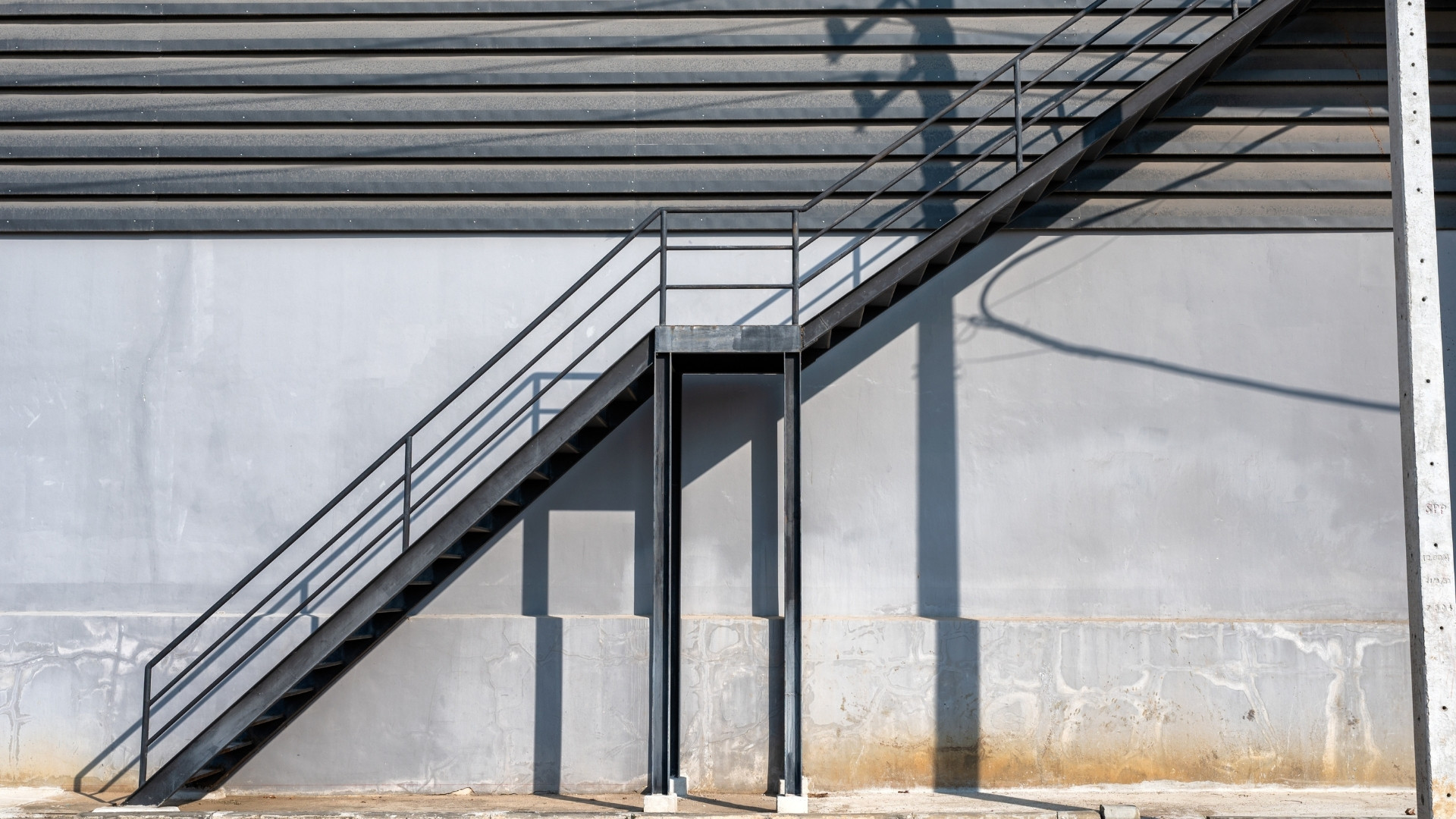
Once safety strategies are defined, dimensional planning becomes the next control point. Exterior staircase design allows less tolerance for error because weather, debris, and wear magnify small dimensional issues over time.
Before framing or fabrication begins, you should confirm the following.
1. Stair Width and Usability
Verify that the stair width supports safe movement when users wear boots or carry items. Narrow widths that work indoors often feel unstable outdoors, especially under wet conditions.
2. Tread Depth and Walking Stability
Confirm tread depth along the actual walking path, not just nominal dimensions. Shallow treads reduce foot stability when surfaces are wet and increase slip risk during descent.
3. Riser Height Consistency
Check that riser heights remain consistent after accounting for exterior finishes, coatings, and long-term surface wear. Even small variations can cause missteps and inspection issues.
4. Headroom Clearance Under Exterior Conditions
Validate headroom clearance with snow accumulation, surface buildup, and drainage conditions in mind. Exterior obstructions reduce clearance faster than interior finishes.
5. Dimensional Verification Timing
Lock critical dimensions before structural framing and stair fabrication. Late dimensional adjustments outdoors are difficult and often require structural rework.
Exterior dimension errors tend to surface earlier during inspection and use. Resolving them during planning reduces safety complaints and long-term maintenance risk.
Key Safety and Performance Checks for Exterior Stairs
Once you understand how exterior stairs differ from interior systems, it helps to review the key factors that determine safe performance over time. These checks show how outdoor conditions affect daily use, inspections, and long-term durability.
Design Factor | Why It Matters Outdoors | Risk If Ignored |
Tread traction | Controls slip risk | Falls and injuries |
Drainage | Prevents pooling | Ice buildup |
Riser consistency | Maintains rhythm | Trip hazards |
Handrail placement | Supports balance | Code failure |
Anchorage | Resists movement | Structural instability |
Addressing them early allows you to identify risk areas before they turn into safety complaints or costly corrections.
How Code Requirements Shape Outdoor Stair Design In the U.S.
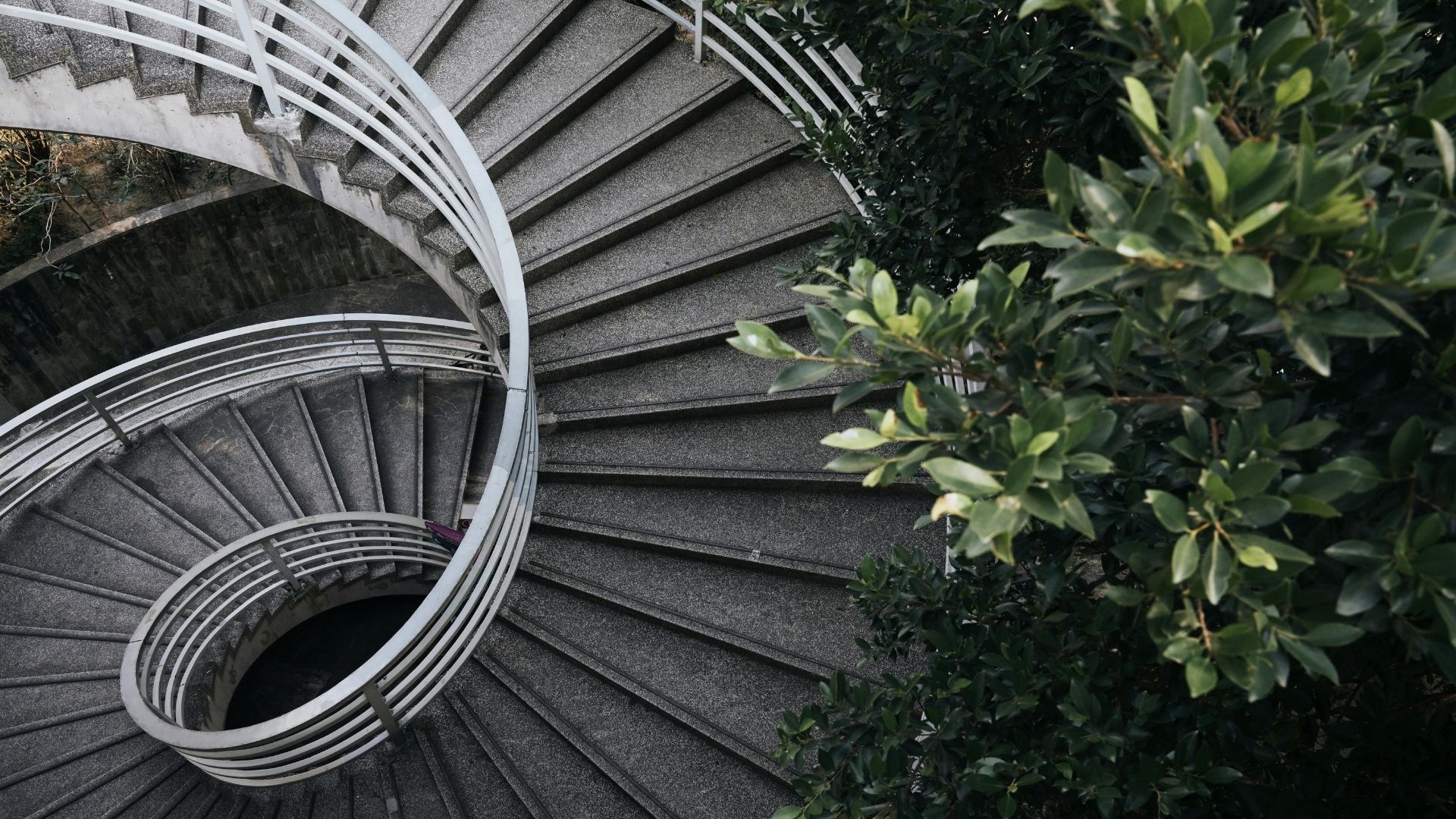
Once basic dimensions and safety strategies are defined, code compliance becomes the next decision gate. In the United States, stair requirements are primarily governed by the International Code Council (ICC), through codes adopted and amended by state and local authorities.
Most outdoor staircases fall under one of two frameworks:
International Residential Code (IRC) for one and two-family homes.
International Building Code (IBC) for commercial, multi-family, and mixed-use buildings.
Exterior stairs are often reviewed more strictly than interior stairs, especially when they connect occupied spaces or serve as part of a means of egress.
Before finalizing the layout or fabrication, you should verify the following.
1. Confirm Stair Function Under Code
Determine whether the stair is classified as primary access, secondary access, or egress under the applicable IRC or IBC provisions. This classification directly affects width, handrails, and inspection criteria.
2. Verify Handrail and Guard Requirements
Both IRC and IBC set minimum heights, continuity rules, and guard requirements. For exterior stairs, you should confirm how exposure and open sides affect these requirements.
3. Check Material and Finish Allowances
Local jurisdictions may restrict exterior stair materials or finishes based on slip resistance and weather performance. Confirm approvals before selecting tread surfaces or coatings.
4. Account for Climate and Occupancy Triggers
Climate conditions and occupancy type can introduce additional requirements, such as enhanced traction, lighting, or guarding. These are commonly enforced through local amendments to ICC codes.
5. Validate Local Amendments Early
States and municipalities often modify IRC and IBC provisions. You should review adopted editions and amendments early, as exterior stair requirements vary widely across jurisdictions.
Outdoor stair ideas that align with ICC-based codes from the start reduce inspection delays, prevent redesign, and support safer long-term exterior staircase performance.
How Proper Anchoring Affects Outdoor Stair Performance
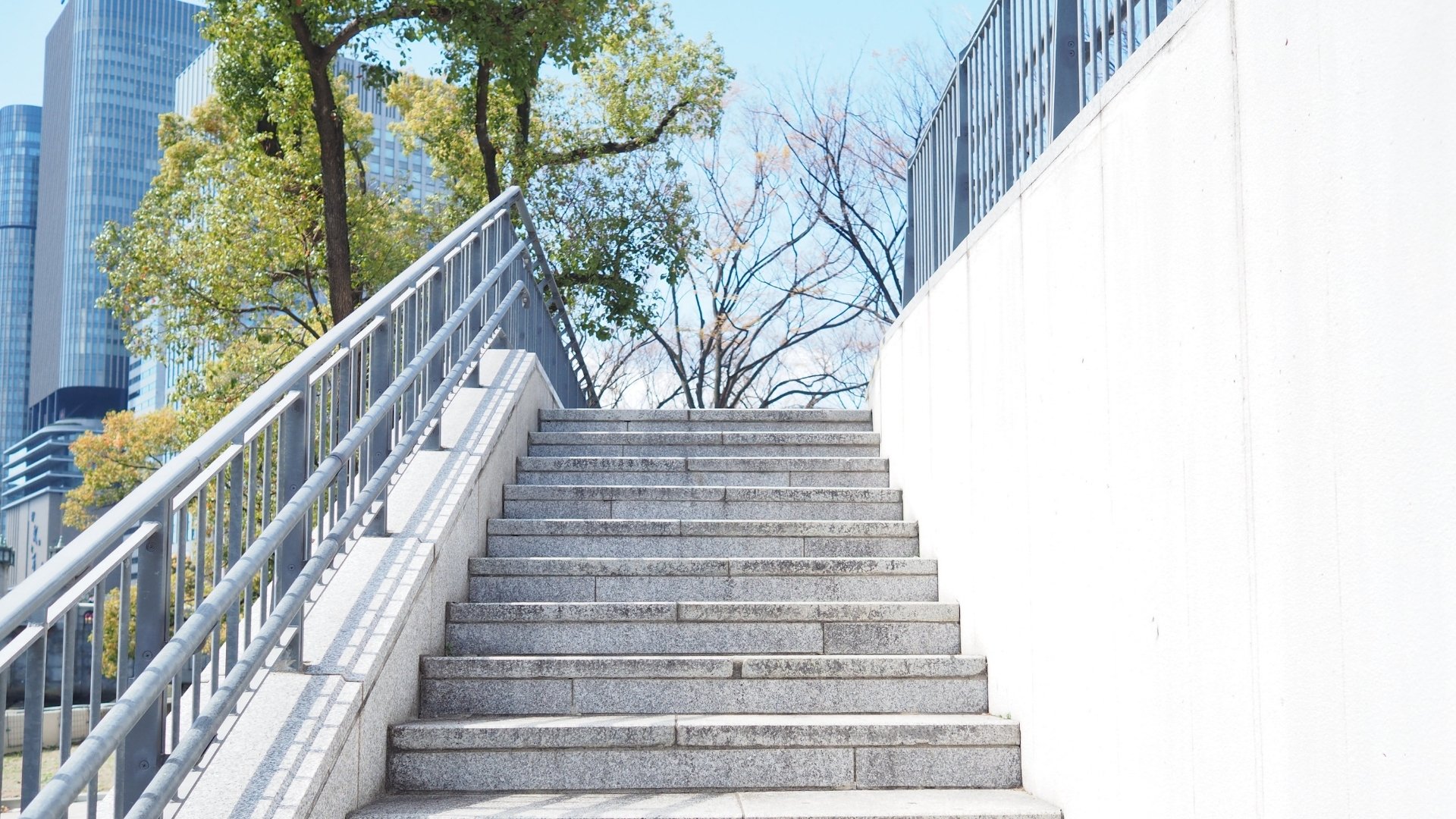
Once code constraints are confirmed, structural support becomes the primary factor affecting long-term performance. Exterior conditions introduce movement, temperature changes, and variable loading that place greater demand on anchorage than interior stairs.
Before fabrication or installation, you should coordinate the following.
1. Verify Base Anchorage Capacity
Confirm that slabs, footings, or foundations can support concentrated stair loads. Exterior stairs often rely on fewer anchorage points, making base capacity critical to prevent settlement or rotation.
2. Plan for Lateral Stability
Account for side loading caused by wind, uneven foot traffic, or carrying items. Without adequate lateral resistance, outdoor stairs can feel unstable even when vertical loads are supported.
3. Allow for Thermal Movement
Exterior materials expand and contract with temperature changes. You should verify that connections allow controlled movement without loosening fasteners or stressing welds.
4. Confirm Connection Detailing Early
Review how the stair connects to adjacent structures, including decks, landings, or walls. Late coordination often leads to field modifications that reduce structural reliability.
5. Lock Anchorage Details Before Fabrication
Finalize anchorage locations, connection types, and tolerances before fabrication begins. Exterior stairs allow little adjustment once installed.
Outdoor stairs that lack proper anchoring frequently develop vibration, movement, or long-term alignment issues. Early structural coordination improves durability, reduces callbacks, and supports user confidence.
Also Read: 6 Tips for Your Next Home Remodeling Project
Material Selection Ideas for Exterior Stair Durability
Material behavior changes significantly outdoors. Exterior staircase design must consider how materials respond to moisture, temperature, and wear.
When selecting materials, you should assess:
Corrosion resistance under long-term exposure.
Surface durability under repeated wet use.
Maintenance expectations over the stairs' lifespan.
Steel systems are frequently selected for exterior stairs because they offer structural reliability and dimensional stability. Hybrid systems combining steel structure with other tread materials require careful finish coordination.
Acadia Stairs, based in Fishkill, New York, supports exterior stair projects through custom metal fabrication and coordinated shop drawings. This approach helps builders manage exposure-related risks across projects in different climates.
Common Outdoor Stair Design and Coordination Mistakes
Most outdoor stair problems originate during planning, not fabrication. Exterior conditions amplify small coordination gaps, making early checks essential.
Before finalizing design or fabrication, verify the following to avoid common failures:
Treating outdoor stairs like interior stairs: Confirm that tread surfaces, drainage, and anchorage are designed specifically for exterior exposure.
Ignoring drainage during layout: Review how water moves across treads and landings. Standing water almost always leads to slip complaints and surface damage.
Underestimating anchorage requirements: Exterior stairs experience more movement. Verify base connections and lateral restraints early to prevent looseness over time.
Overlooking finish thickness and wear: Exterior coatings and finishes affect dimensions and performance. Include them in early calculations, not as last-minute additions.
Discovering code conflicts during inspection: Confirm exterior stair code requirements before fabrication. Late changes are costly and difficult once installation begins.
Addressing these items early reduces inspection risk, limits rework, and improves long-term stair performance.
When Outdoor Stairs Are the Right Choice
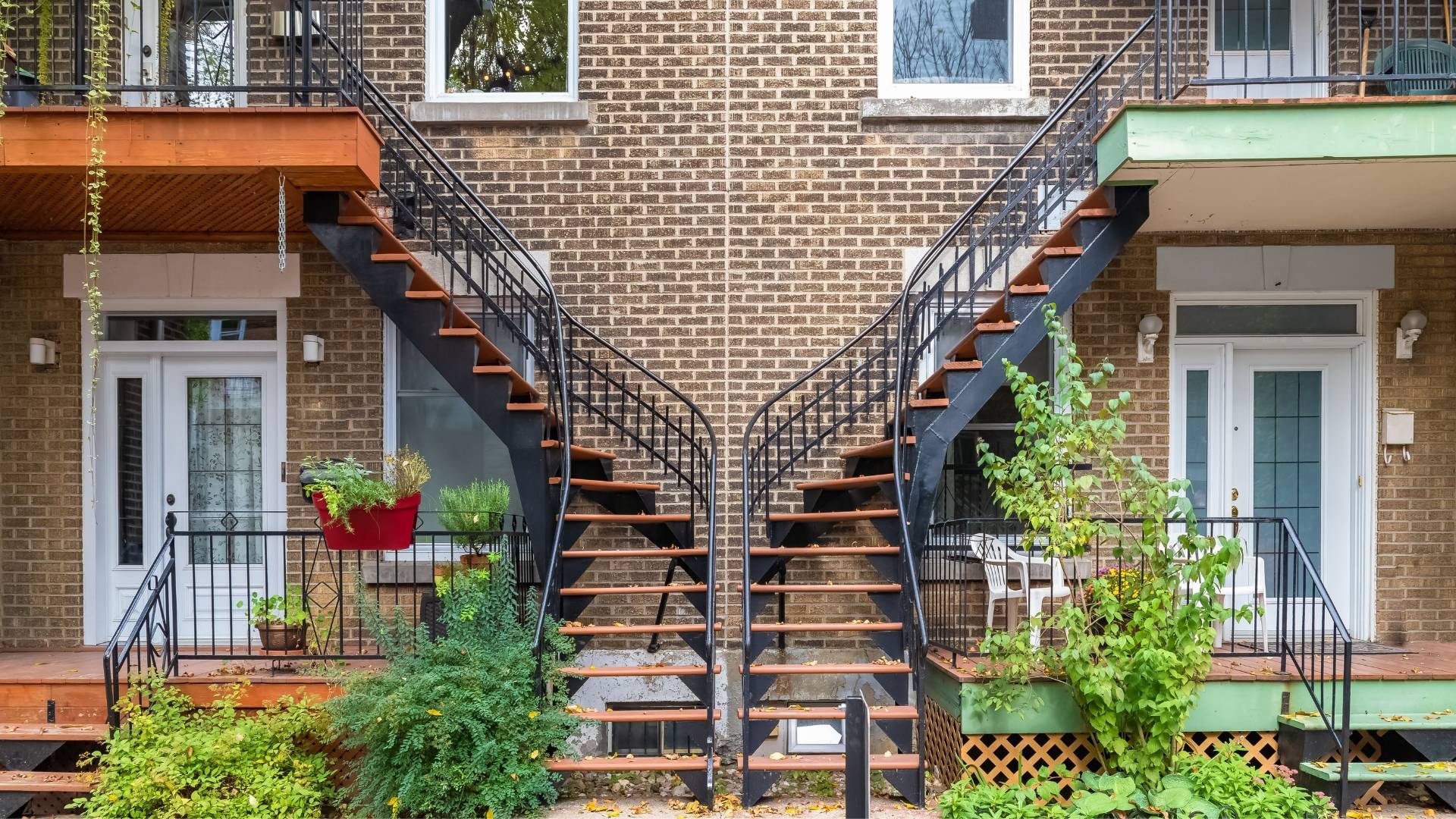
Outdoor stairs work best when their role, usage, and exposure are clearly defined from the start. Before committing to an exterior stair, you should evaluate whether the project conditions support safe and predictable use over time.
Outdoor stairs are typically a good fit when:
The stairs provide secondary exterior access: Use is occasional rather than constant, reducing wear and slip risk under wet or icy conditions.
The stair connects decks, terraces, or outdoor circulation areas: These locations usually have controlled traffic and limited load demands compared to primary building access points.
Daily traffic patterns are predictable: Known movement paths allow you to plan tread depth, handrails, and lighting more effectively.
Exposure conditions can be managed: Partial coverage, drainage control, or sheltered placement reduces long-term safety and maintenance issues.
Maintenance responsibility is clearly assigned: Regular cleaning and surface upkeep are essential for exterior stair safety.
Before proceeding, you should confirm expected usage frequency, environmental exposure, and who is responsible for ongoing maintenance. When these factors align, outdoor stairs can perform reliably and safely.
When Builders Should Avoid Outdoor Stairs
Outdoor stairs are not suitable for every project. Before committing to an exterior stair system, you should confirm whether the project conditions introduce risks that outweigh the benefits of exterior access.
You should avoid outdoor stairs when the following conditions apply.
1. Primary Egress Under High Use
If the stairs must serve as a primary egress route with frequent daily use, exterior exposure increases slip risk and inspection scrutiny. Interior stair systems provide more predictable performance under heavy traffic.
2. Accessibility Compliance Is Required
Outdoor stairs cannot meet accessibility requirements. If the project must accommodate assisted movement or mobility devices, exterior stairs introduce compliance and liability concerns.
3. Severe or Unprotected Weather Exposure
Projects with constant rain, snow, or ice exposure and no ability to add coverage or drainage controls often face ongoing safety complaints and maintenance issues.
4. Regular Movement of Large Items Is Expected
Tight exterior layouts make carrying furniture, equipment, or supplies unsafe. Exterior stairs limit turning clearance and increase handling risk.
5. Maintenance Responsibility Is Unclear
Exterior stairs require regular cleaning and surface upkeep. When maintenance ownership is undefined, safety conditions deteriorate quickly.
When these conditions exist, you should consider interior stair systems, covered access routes, or alternative circulation strategies that reduce long-term risk.
How Acadia Stairs Supports Exterior Stair Projects
Once exterior stair suitability, safety, and code constraints are confirmed, execution accuracy becomes the priority. Exterior stair systems leave little room for adjustment once fabrication or installation begins.
Acadia Stairs supports exterior stair projects by focusing on coordination-critical stages, including:
Translating exterior staircase design intent into fabrication-ready shop drawings.
Coordinating anchorage points, stair geometry, and railing interfaces early.
Fabricating metal stair components suited for exterior exposure.
Supporting builders and fabricators across the United States from its base in Fishkill, New York.
This coordination-first approach helps reduce on-site modifications, alignment issues, and installation delays for exterior stair systems.
Conclusion
Outdoor stairs should be treated as permanent exterior systems rather than simple access elements. When safety, drainage, anchorage, or code considerations are underestimated, long-term risks increase quickly.
Careful exterior staircase design planning improves performance, usability, and inspection outcomes. Coordinating layout, materials, and structural support before fabrication begins is essential.
When outdoor stair ideas are approached as planning strategies rather than visual choices, you reduce risk and deliver safer, more durable results. Contact Acadia Stairs Today!
FAQs
1. What are the safest outdoor stair ideas for residential projects?
The safest outdoor stair ideas focus on slip-resistant treads, proper drainage, consistent riser heights, secure handrails, and stable anchoring to handle weather exposure and daily exterior use conditions.
2. How does exterior staircase design differ from interior stairs?
Exterior staircase design must account for weather exposure, drainage, corrosion risk, anchorage strength, and stricter slip resistance requirements, while interior stairs operate in controlled environments with fewer safety and durability variables.
3. Are outdoor stairs allowed as primary egress in the U.S.?
Outdoor stairs may serve as primary egress only when they meet applicable IRC or IBC requirements. Approval depends on occupancy type, stair width, handrails, guards, and local code amendments.
4. What materials work best for outdoor staircases?
Materials for outdoor stairs should resist corrosion, maintain traction when wet, and remain dimensionally stable. Steel systems are commonly used due to strength, durability, and predictable performance under exterior conditions.
5. What are the most common outdoor stair design mistakes?
Common mistakes include ignoring drainage, underestimating anchorage requirements, treating exterior stairs like interior systems, overlooking code early, and failing to plan for long-term exposure and maintenance needs.