Whether you're building new construction, renovating an existing home, or simply looking to refresh a tired staircase, the right design can transform this functional necessity into a stunning architectural statement. This guide presents 25 concrete staircase ideas organized by structural shape, material, style, and decorative treatment—giving you a comprehensive roadmap to find the perfect direction for your space, budget, and aesthetic preferences.
Key Takeaways
- Your staircase is one of the most visible design decisions in your home — these 25 ideas show what's possible
- Material choice (wood, metal, glass, or mixed) shapes both durability and visual character
- Floating and open-riser designs deliver the most dramatic modern impact
- Update on a budget with painted risers or a stair runner — no contractor required
- Every design must meet the 7-11 rule: 7.75" max riser height, 10" minimum tread depth
Know Your Staircase: Types, Terms & Design Basics
Essential Staircase Anatomy
Understanding basic staircase terminology helps you evaluate designs and communicate effectively with contractors:
- Tread: The horizontal surface where you step
- Riser: The vertical panel between treads (absent in open-riser designs)
- Nosing: The rounded or beveled front edge of the tread
- Stringer: The inclined structural support holding treads and risers
- Handrail: The graspable rail providing guidance and support
- Baluster: Vertical spindles filling space between handrail and treads
- Newel Post: Substantial vertical posts anchoring the handrail system
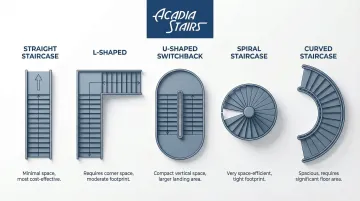
Common Staircase Configurations
Your available floor space and ceiling height largely determine which configuration works best:
- Straight: Simple linear design requiring long footprint
- L-shaped: 90-degree turn with landing, fits well in corners
- U-shaped (Switchback): Two parallel flights with 180-degree turn
- Spiral: Compact circular design around central pole
- Curved: Grand sweeping arc without center support
Critical Building Code Requirements
The International Residential Code (IRC) establishes safety standards that govern all residential staircases:
- Rise and run: Maximum 7.75-inch riser height and minimum 10-inch tread depth (commercial buildings require an 11-inch minimum tread and 7-inch maximum riser)
- Clear width: Minimum 36 inches above handrail height, with allowances down to 27 inches below handrail when railings are present on both sides
- Open riser gaps: Any opening 30+ inches above the floor cannot allow a 4-inch sphere to pass through — particularly important in homes with young children
Knowing these numbers upfront saves redesign headaches later. Each idea in this guide can be shaped around them.
25 Indoor Staircase Ideas
Ideas 1–5: Structural Shapes to Define Your Space
Your staircase configuration represents the single most impactful design decision, establishing both spatial footprint and visual flow throughout your entryway.
Idea 1: Straight Staircase The most economical and space-efficient option for narrow floor plans. Straight staircases create clean, linear sightlines and work beautifully in modern minimalist homes. They require a long uninterrupted run but offer the simplest construction and installation.
Idea 2: L-Shaped Staircase The 90-degree turn with landing provides a natural visual break and safety rest point. L-shaped stairs fit efficiently into corners and reduce the linear footprint required by straight designs, making them ideal for homes with space constraints.
Idea 3: U-Shaped (Switchback) Staircase Two parallel flights connected by a 180-degree landing maximize vertical space efficiency. This configuration works well in two-story homes where you want the staircase contained within a compact footprint while maintaining comfortable proportions.
Idea 4: Spiral Staircase Spiral staircases require just 4–6 feet in diameter, making them perfect for lofts, basements, or secondary access points where floor space is at a premium. The circular form creates sculptural visual interest but requires specific code compliance: 26-inch minimum clear width, 6.75-inch tread depth at walkline, and 9.5-inch maximum riser height.
Idea 5: Curved Staircase The grand sweeping arc without center support creates the most dramatic architectural statement. Curved staircases demand significant floor space and custom fabrication, costing $10,000–$20,000+, but serve as breathtaking focal points in open-plan homes with generous entryways.
Ideas 6–10: Material-Based Staircase Ideas
Material selection defines both durability and visual character, with each option offering distinct performance characteristics and aesthetic qualities.
Idea 6: All-Wood Staircase Solid hardwood stairs deliver timeless warmth and refinishing capability. White Oak (Janka hardness 1,360) and Hard Maple (1,450) provide exceptional durability, while finish choices — natural, walnut stain, or whitewash — dramatically alter the tone to suit traditional through modern farmhouse styles.
Idea 7: Metal Staircase Steel or powder-coated metal frames create sleek industrial-modern aesthetics. Custom metal staircases offer precision-engineered components with customizable finishes, thickness, and tread materials. AAMA 2604 powder coating provides 5-year outdoor durability with superior scratch and chip resistance, making it ideal for high-traffic residential and commercial installations.
Metal stairs excel in contemporary and loft-style homes where clean lines and exposed structure define the look.
Idea 8: Glass-Panel Staircase Glass balustrades combined with minimal steel framing create floating, airy effects that maximize light flow. Tempered laminated glass meeting IBC 2407.1 standards ensures safety while delivering ultra-modern transparency — the right choice when preserving sightlines and natural light distribution are priorities.
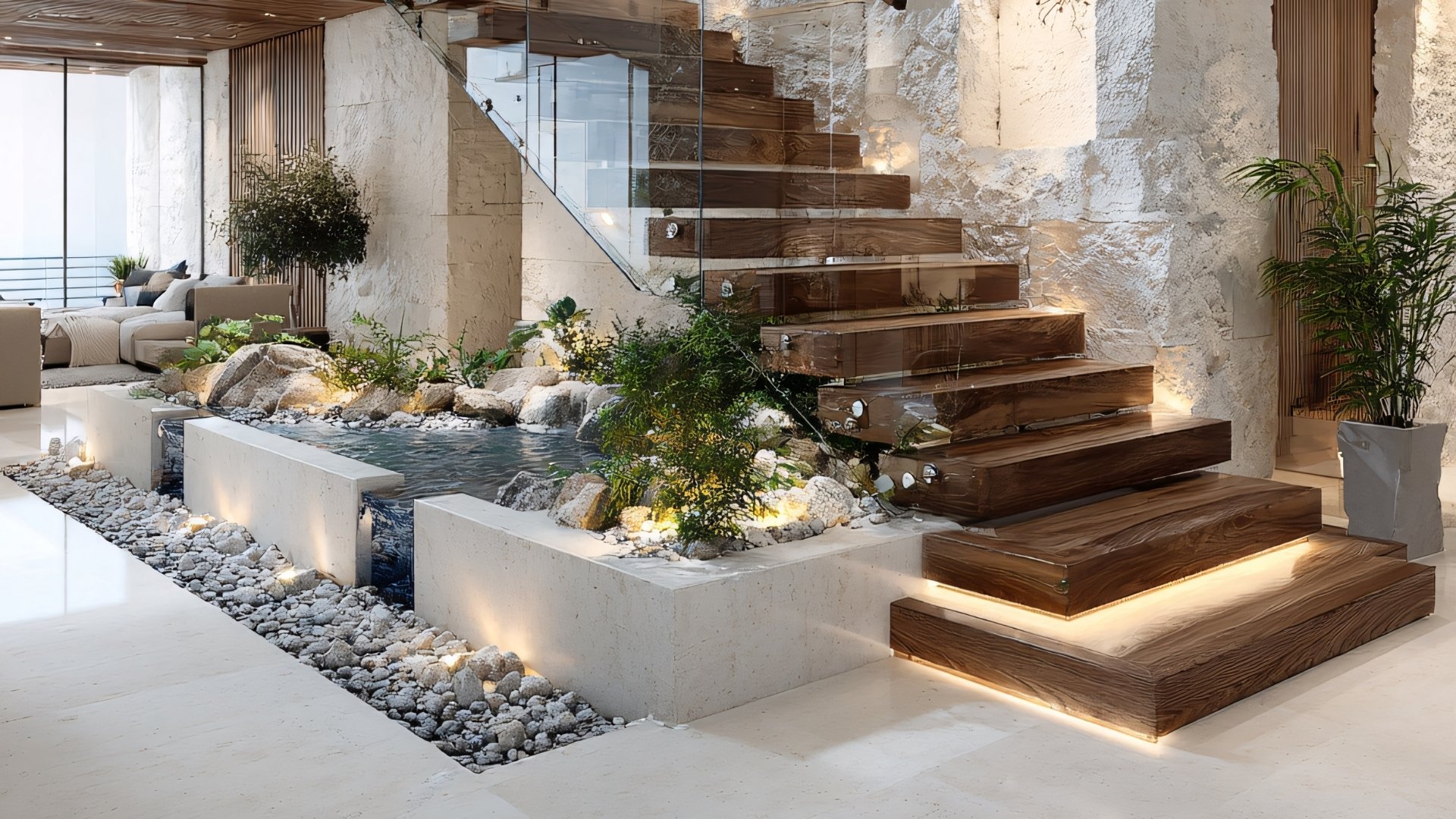
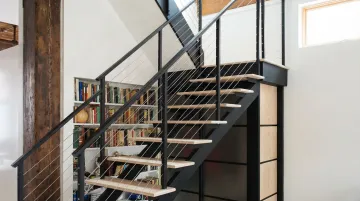
Idea 9: Mixed Materials Combining wood treads with metal railings or brick accents with timber steps adds textural richness without overwhelming the space. The key to successful mixed-material stairs is a neutral tonal palette: warm wood tones balanced with matte black metal or brushed stainless steel pull contrasting materials into a cohesive whole.
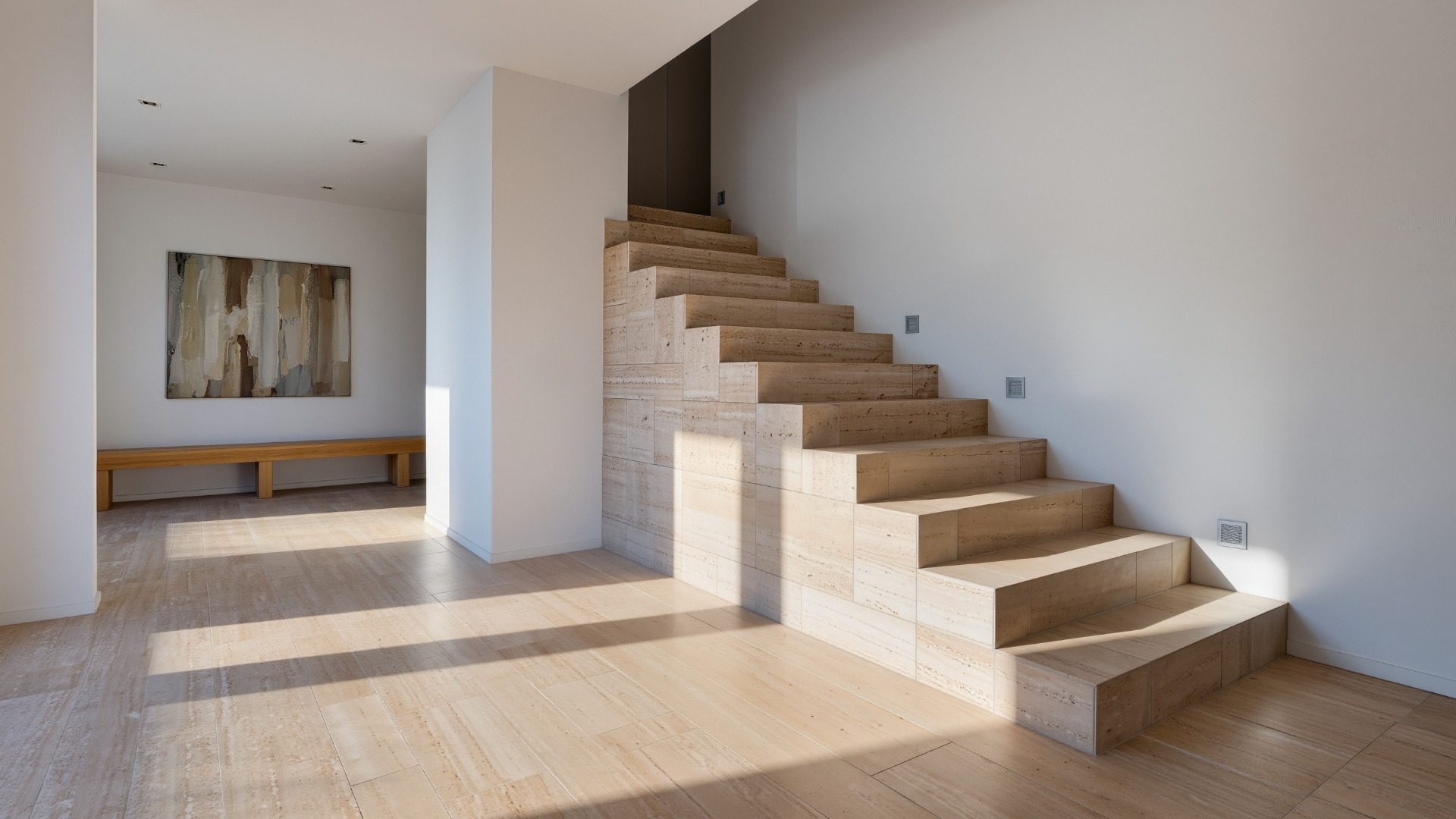
Idea 10: Tile or Stone Stairs Terracotta, marble, or slate tiles on treads add distinctive character, particularly effective in Mediterranean, Spanish, or eclectic-style homes. Stone materials offer exceptional durability and unique visual texture, though proper slip-resistance treatment is essential for safety.
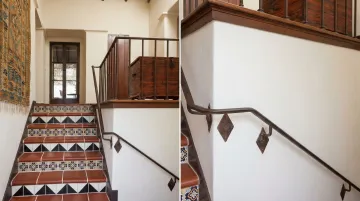
Ideas 11–15: Modern & Contemporary Staircase Designs
These designs prioritize clean lines, minimal ornamentation, and architectural drama — well-suited for open-plan homes, lofts, and new construction.
Idea 11: Open-Riser Floating Staircase Eliminating solid risers and using cantilevered or steel-supported treads creates visually light, sculptural statements. This design maximizes spatial perception and allows light to travel vertically through your home.
Acadia Stairs builds custom metal floating staircases with single or double stringer configurations and heavy structural steel support rated at 300 lbs per tread capacity, with nationwide shipping included. A design that once seemed out of reach for most homeowners is now genuinely accessible.
Idea 12: Minimalist Straight Staircase with Cable Railing Horizontal stainless steel cable railings replace traditional balusters for sleek, unobtrusive aesthetics that preserve sightlines. Cables must be spaced closer than 4 inches and properly tensioned to meet the sphere rule under load, but the resulting transparency complements modern interiors cleanly.
Idea 13: Glass Balustrade with Wood Treads Pairing natural wood treads with glass guards bridges modern and transitional styles in a single staircase. The contrast between solid wood underfoot and transparent guards creates visual depth without sacrificing openness.
Idea 14: Industrial Staircase with Exposed Steel and Concrete Treads Raw urban aesthetics featuring exposed metal stringers and polished concrete or steel-plate treads suit converted lofts, modern townhomes, and commercial-residential spaces. The honest expression of structural materials gives these stairs their character — no decorative overlay needed.
Idea 15: Monochromatic All-Black or All-White Staircase Committing to a single bold color — matte black metalwork or pure white painted wood — creates a graphic architectural statement. In minimalist or Scandinavian-inspired interiors, this approach lets the staircase read as a deliberate design move rather than background architecture.
Ideas 16–20: Classic & Traditional Staircase Styles
Timeless approaches suited to traditional, colonial, craftsman, and transitional homes rely on rich materials, layered details, and thoughtful color choices.
Idea 16: Grand Wooden Staircase with Turned Balusters Classic hardwood steps with ornate turned spindles, substantial newel posts, and continuous wood handrails define traditional elegance. Deep walnut or mahogany staining enhances the formal character while highlighting the craftsmanship of turned details.
Idea 17: Painted Risers with Wood Treads Natural wood treads paired with white-painted risers create clean contrast suited to colonial, farmhouse, and transitional homes. Contemporary variations include bold riser colors — navy, forest green, or charcoal — that add personality while maintaining classic structure.
Idea 18: Stair Runner with Carpet or Patterned Rug Runners add warmth, reduce noise, and introduce pattern and color. Geometric or floral patterns in neutral tones age beautifully in traditional interiors while protecting underlying wood treads from wear.
Idea 19: Wainscoting Along the Staircase Wall Extending board-and-batten or raised-panel wainscoting up the stair wall adds architectural depth and a polished finish. Carrying the wainscoting color through to the risers ties the vertical surfaces together into a continuous, intentional detail.
Idea 20: Grand Curved Staircase with Wrought Iron Railings The sweeping curved staircase accented with wrought iron or forged steel balusters delivers the "grand entrance" character seen in formal homes. Done well, it becomes the most-remembered feature in the house — the kind of detail guests mention years later.
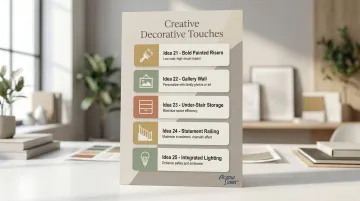
Ideas 21–25: Creative Decorative Touches
Lower-cost, high-impact ideas that transform existing staircases without structural changes — ideal for renters or budget-conscious homeowners.
Idea 21: Bold Painted Risers in Statement Color Painting each riser in deep teal, terracotta, or rich red transforms standard staircases into conversation pieces. Use floor-grade paint meeting ASTM D4060 abrasion resistance standards for durability under foot traffic.
Idea 22: Gallery Wall Along the Staircase The ascending wall beside stairs offers perfect gallery space for curated artwork, family photos, or mirrors. A well-arranged gallery wall turns what's typically a pass-through into a space people actually pause to look at.
Idea 23: Under-Stair Storage or Reading Nook Converting dead space beneath stairs into built-in shelving, home office nooks, reading corners, or concealed cabinetry is one of the most practical upgrades in space-constrained homes.
Idea 24: Statement Railing or Handrail Swapping basic builder-grade wood railings for custom metal railings in bold shapes — rope-twist, geometric, or organic curves — or painted hues completely transforms staircase personality without full renovation.
Idea 25: Integrated Staircase Lighting Recessed step lights, LED strips under treads, or dramatic pendants above the staircase void add safety and atmosphere. Building codes require artificial light sources capable of illuminating treads to at least 1 foot-candle, making lighting both a code requirement and one of the quickest ways to elevate the space.
How to Choose the Right Staircase Design for Your Home
Start with Architectural Context
Your home's existing style, available floor space, and ceiling height naturally narrow suitable structural types and materials. Modern open-plan homes accommodate floating designs and glass elements, while traditional colonials call for wood construction with classic details.
Consider Budget Realities
Cosmetic upgrades deliver the highest value for investment:
- Paint, runners, railing swaps: $300–$2,000
- Tread/riser replacement: $1,800–$5,000
- Full staircase replacement: $2,000–$10,000
- Custom floating or curved designs: $8,000–$30,000+
According to the 2022 Remodeling Impact Report, hardwood floor refinishing yields 147% cost recovery—suggesting that staircase improvements offer strong return on investment.
Ensure Code Compliance
Budget sets the range; code sets the boundaries. Consult a licensed contractor or staircase specialist before finalizing any design to confirm your riser height, tread depth, handrail height, and minimum width all meet local requirements. Catching conflicts at the planning stage avoids expensive structural changes once work has started.
Conclusion
Your staircase is among the few design elements you encounter multiple times daily—making it worthy of thoughtful design investment. Whether you choose dramatic floating treads, classic painted risers, or grand curved statements, the right staircase enhances both daily enjoyment and home value.
Once you've found the style that resonates, the next step is finding a fabricator who can bring it to life exactly as you envision it. If your ideal staircase leans modern — think open-riser floating treads, cable rail, or sleek powder-coated steel — Acadia Stairs specializes in custom metal staircase fabrication for residential and commercial spaces across the US. With over 40 years of combined team experience and nationwide shipping, they build to your exact specifications. Reach them at (845) 765-8600 or info@acadiastairs.com to start the conversation.
Frequently Asked Questions
How much do new inside house stairs cost?
Costs range from $300-$2,000 for cosmetic upgrades like paint or runners, $2,000-$10,000 for full replacements of standard configurations, and $8,000-$30,000+ for custom designs like floating metal staircases. Get quotes from specialists to understand your specific project costs.
What are the common rules for inside house stairs?
The 7-11 rule establishes maximum 7.75-inch riser height and minimum 10-inch tread depth. Residential codes require minimum 36-inch clear width and handrails between 34-38 inches high. Local jurisdictions may have variations, so verify requirements with your building department.
What are the inside house staircase trends for 2025?
Leading 2025 trends include open-riser floating staircases, mixed materials combining wood and metal, integrated LED step lighting, and bold painted risers in deep jewel tones. These designs prioritize clean lines and architectural drama.
What is the most durable material for indoor staircases?
Steel and metal staircases offer exceptional durability and minimal maintenance, with AAMA 2604/2605 powder coating that resists scratching and corrosion. Properly maintained metal stairs can last the lifetime of a home, making them one of the highest long-term value choices for indoor staircases.
What is the difference between open and closed riser staircases?
Closed-riser staircases feature solid vertical panels between treads, creating traditional appearance and enhanced safety for small children. Open-riser designs eliminate these panels for lighter, more modern aesthetics that allow light transmission—especially popular in contemporary and floating staircase designs.