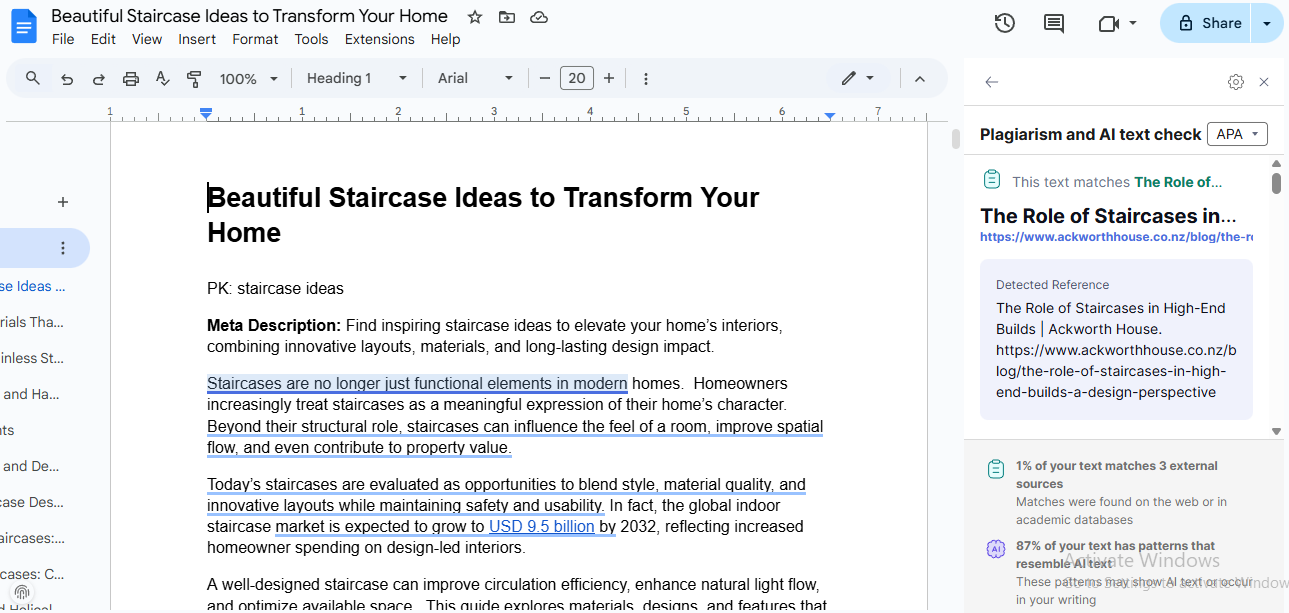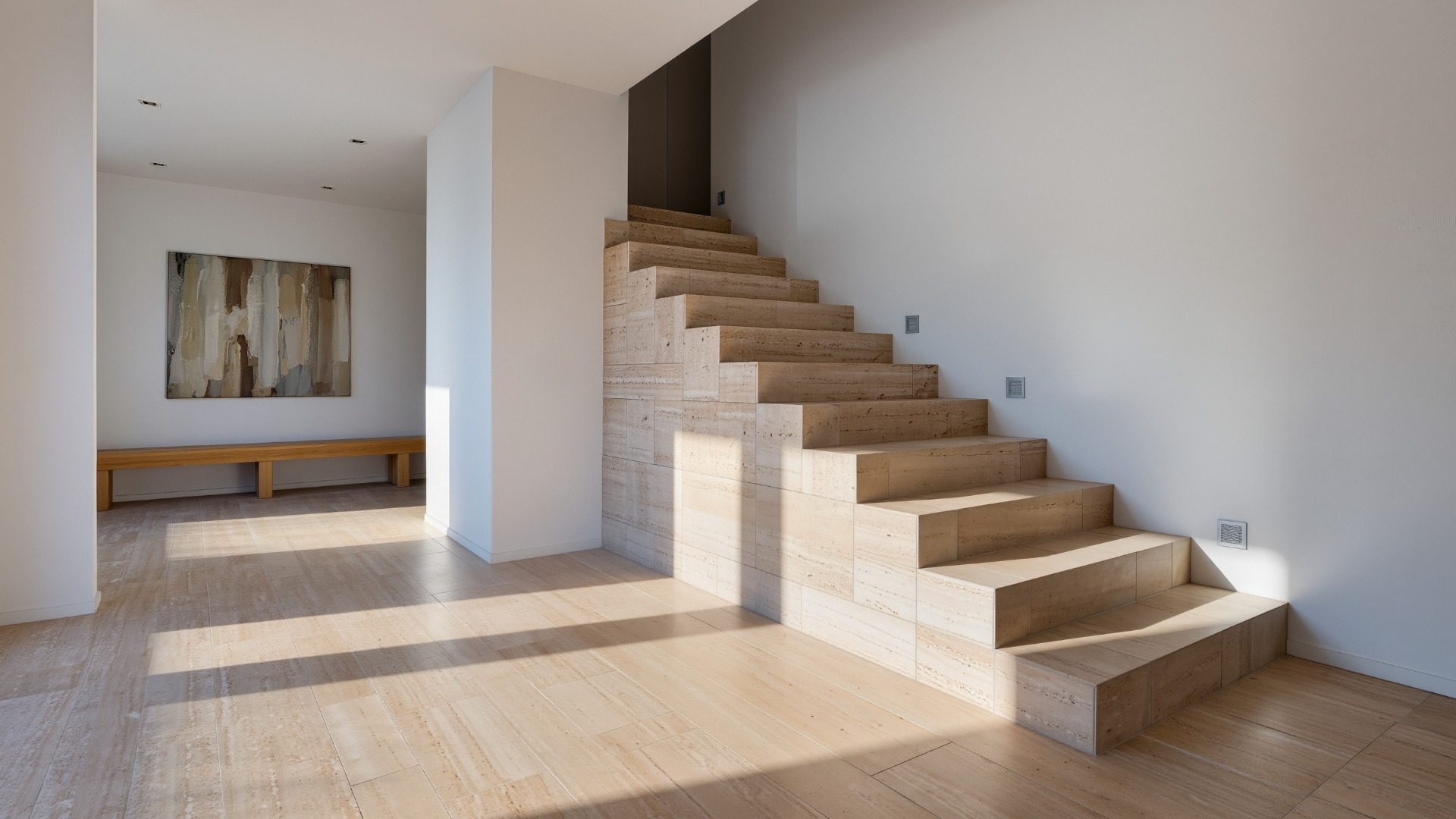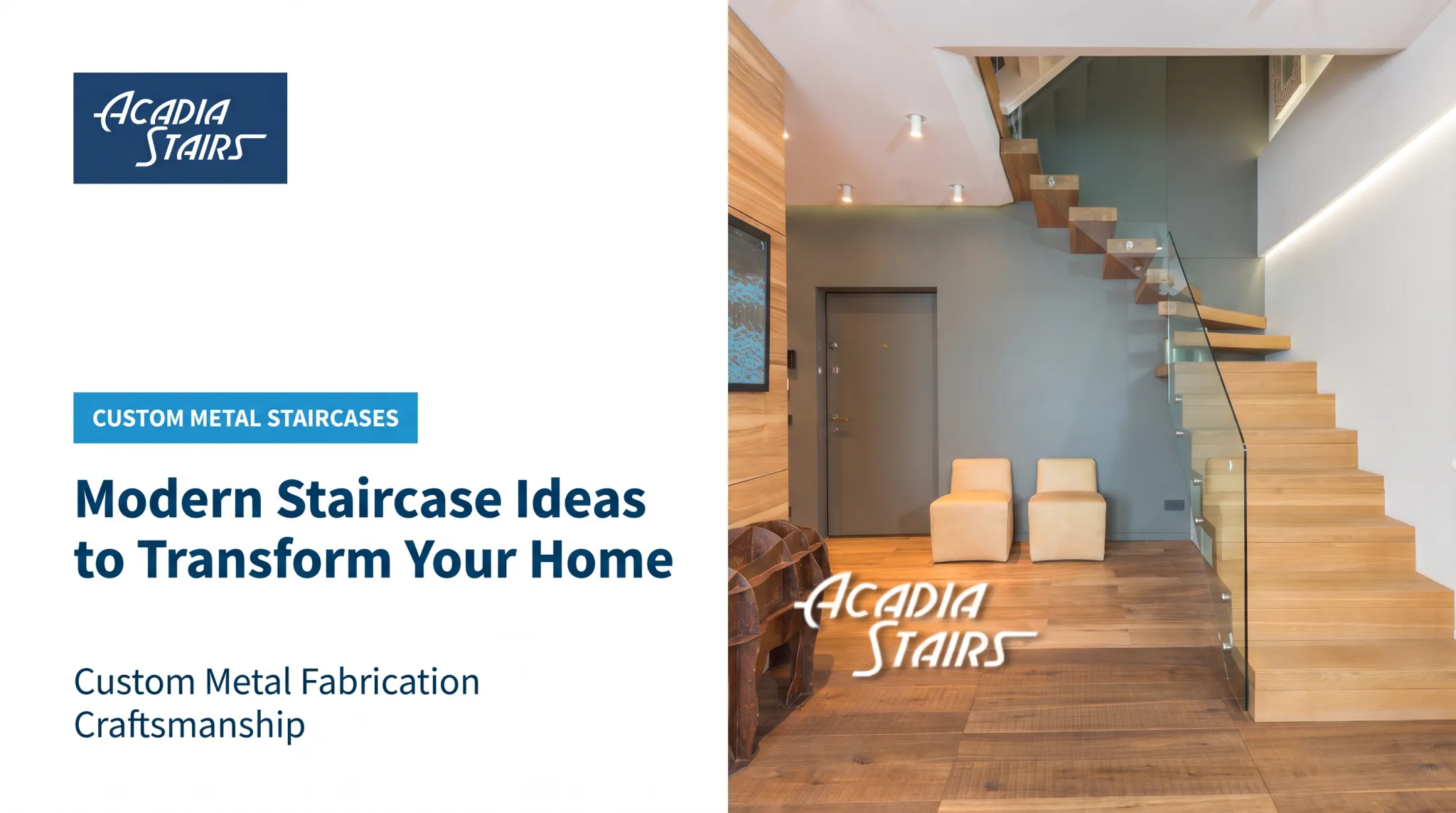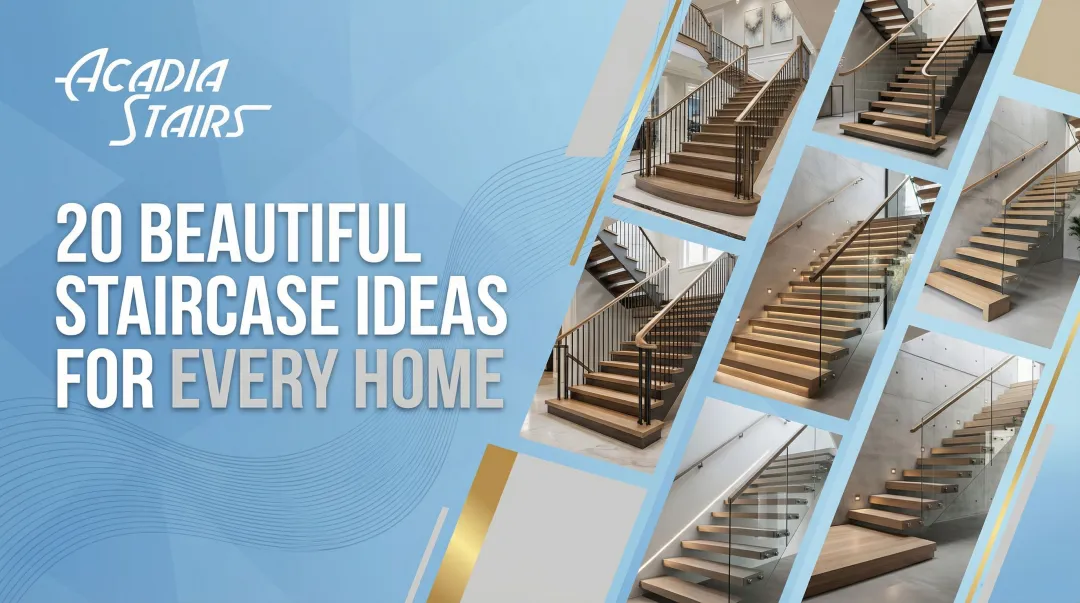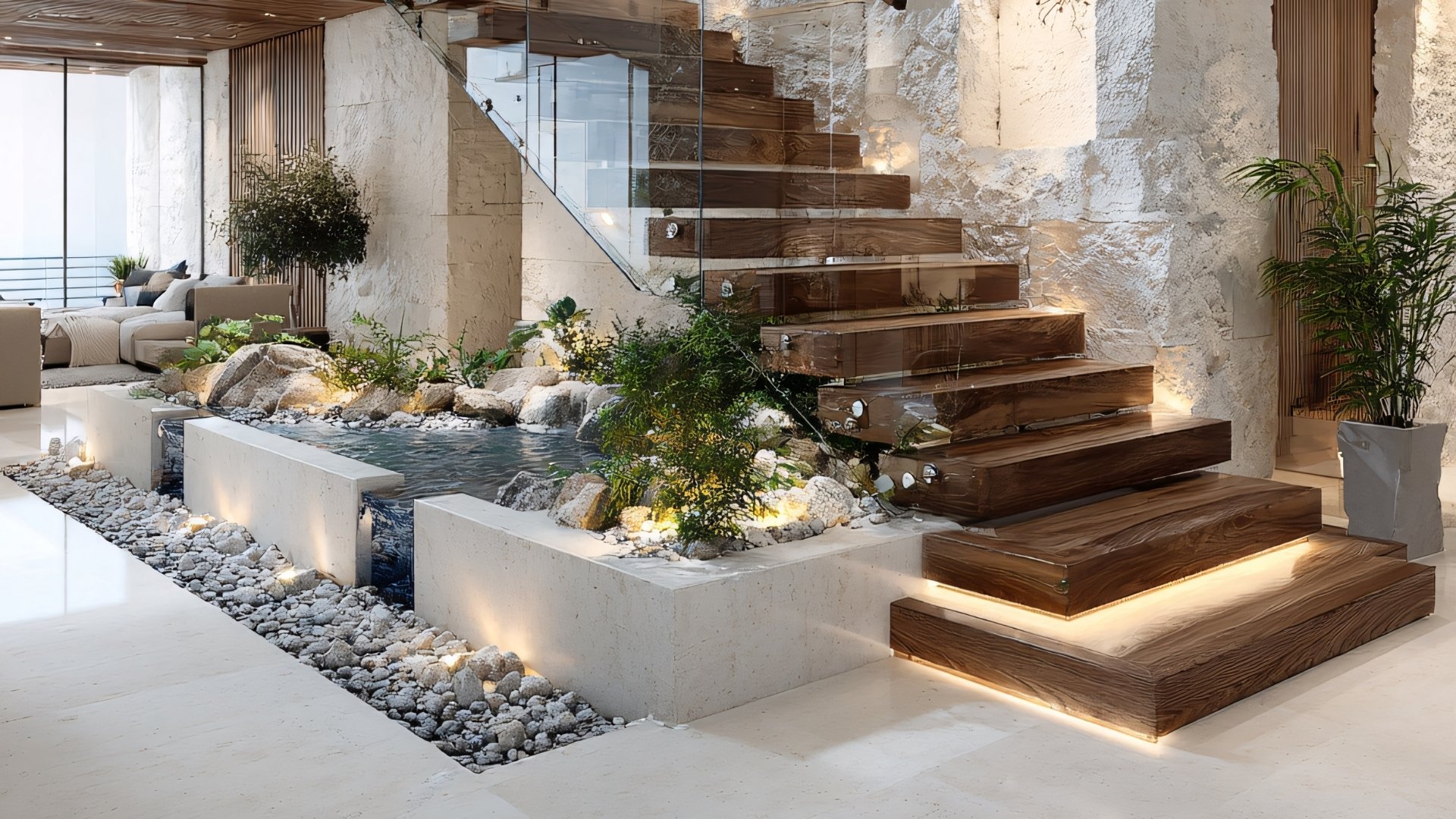
Staircases are no longer just functional elements in modern homes. Homeowners, contractors, architects, and engineers increasingly treat staircases as a meaningful expression of a space’s character. Beyond their structural role, staircases can influence the feel of a room, improve spatial flow, and contribute to property value.
Today’s staircases are evaluated as opportunities to blend style, material quality, and innovative layouts while maintaining safety and usability. In fact, the global indoor staircase market is expected to grow to USD 9.5 billion by 2032, reflecting increased homeowner spending on design-led interiors.
A well-designed staircase can improve circulation efficiency, enhance natural light flow, and optimize available space. This guide explores materials, designs, and features that elevate staircases while maintaining safety and long-term functionality.
Key Takeaways:
Modern staircases combine style and function, using materials like wood, steel, glass, and wrought iron to enhance aesthetics, durability, and home value.
Various staircase designs, from floating and spiral to curved and straight, can transform space, improve flow, and act as interior focal points.
Decorative elements like runners, seasonal accents, trim, and statement flooring personalize staircases while maintaining safety and usability.
Functional features such as durable treads, integrated lighting, under-stair storage, and space-saving designs boost convenience and long-term practicality.
Staircase Materials That Define the Look of Homes
The material of a staircase plays a critical role in defining its style, durability, and overall impression in a home. Selecting the right material not only affects aesthetics but also long-term performance, maintenance, and safety.
Steel and Stainless Steel
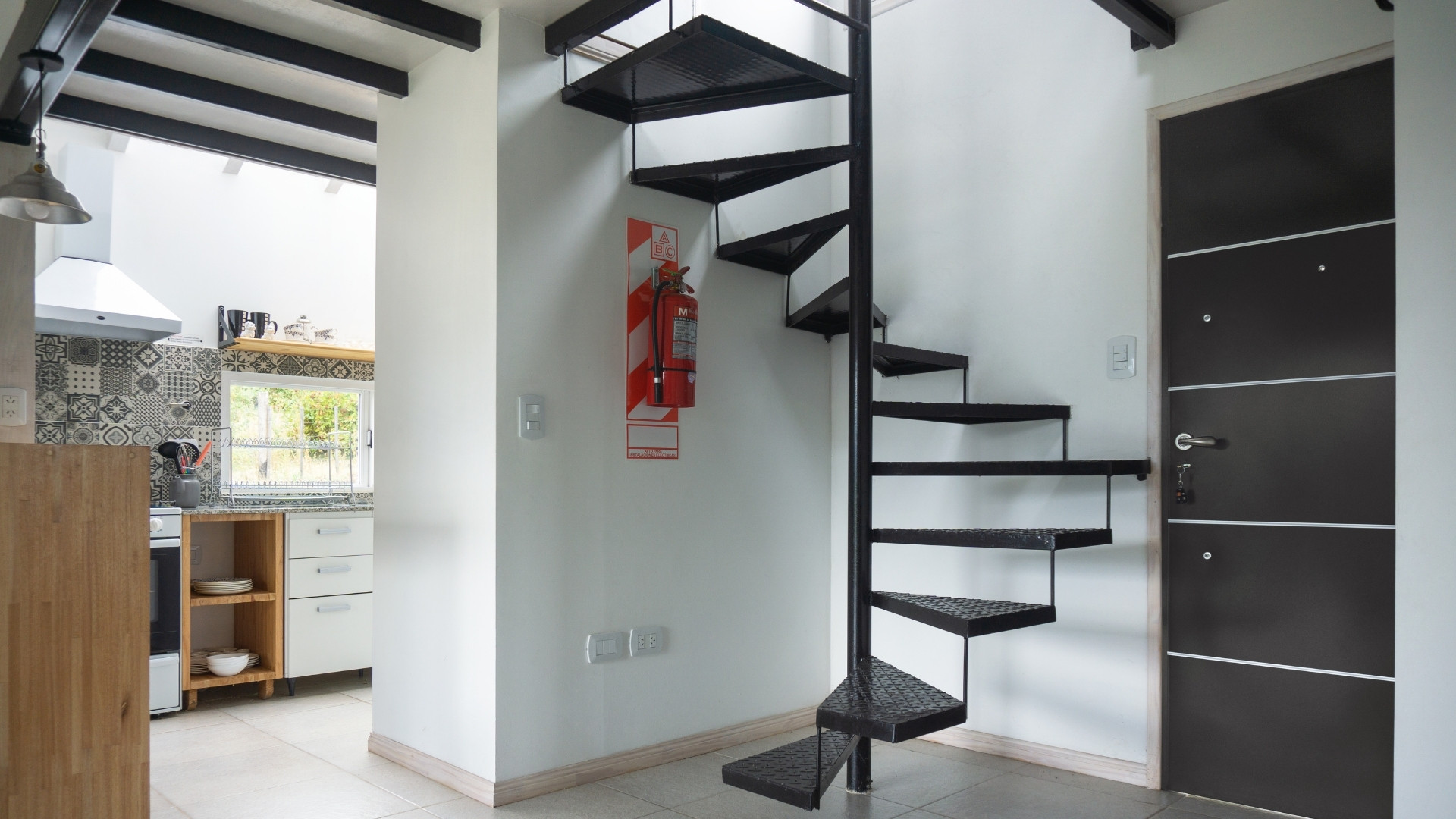
Steel is increasingly popular in modern and industrial-style homes due to its strength, durability, and versatility. Stainless steel, in particular, provides a sleek, clean look while resisting corrosion and wear.
Visual impact: Steel allows for slim profiles and open designs, giving a sense of space.
KPI-focused benefit: Using steel can reduce long-term maintenance costs compared to wood in high-traffic areas.
Acadia Stairs offers custom steel and stainless-steel staircases that combine structural strength with design flexibility, helping contractors, architects, and homeowners achieve modern, minimalist aesthetics without compromising durability.
Wood Treads and Handrails
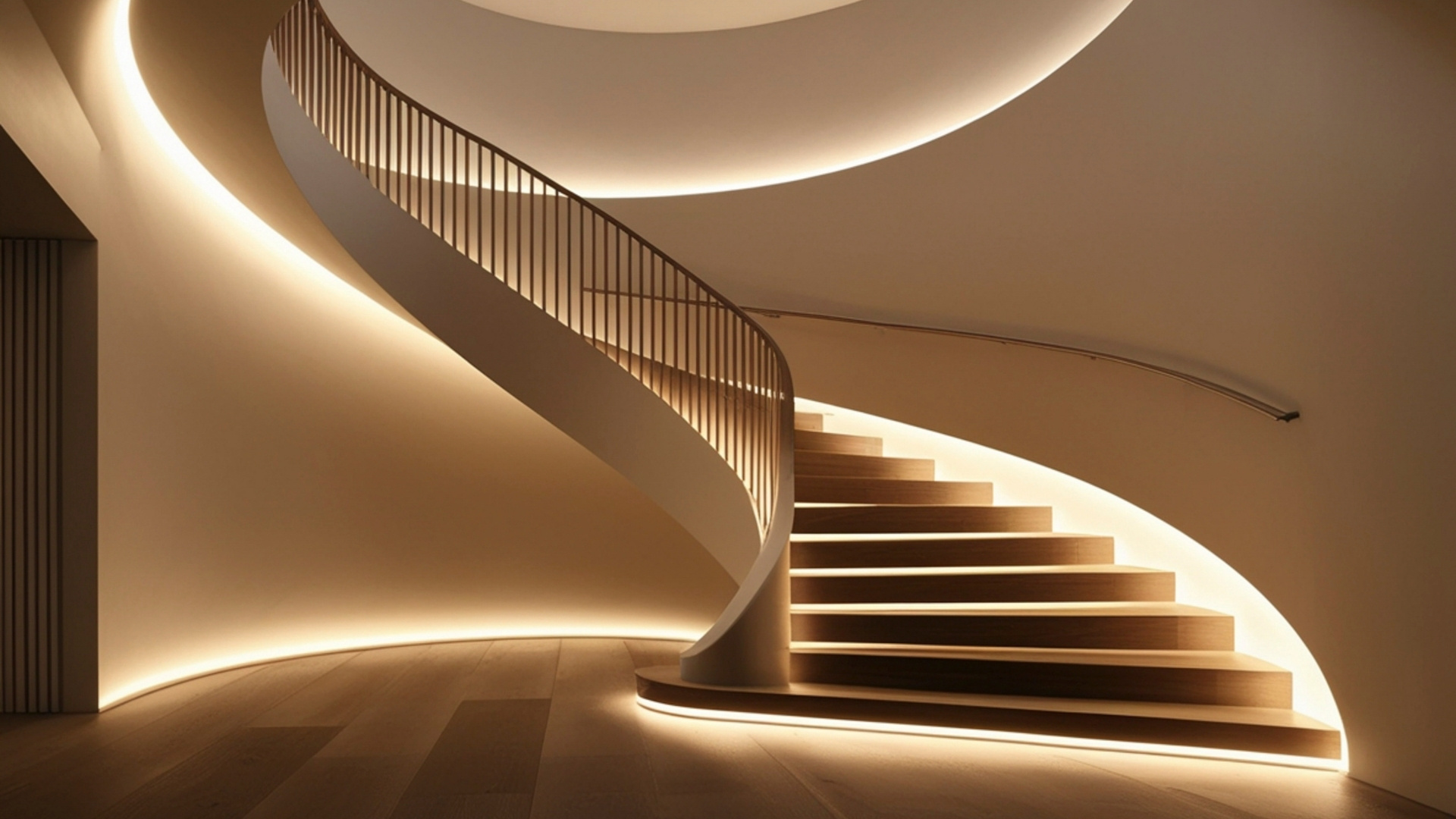
Wood adds warmth and texture to any staircase design. From oak to walnut, it complements both traditional and contemporary interiors. Wood can be paired with metal stringers or glass railings to balance elegance with modernity.
Durability consideration: High-quality hardwoods resist wear and support sustained load without excessive flexing, which is critical for long-term usability.
Visual-friendly option: Wood treads can be paired with LED lighting for enhanced visual appeal.
Glass Elements
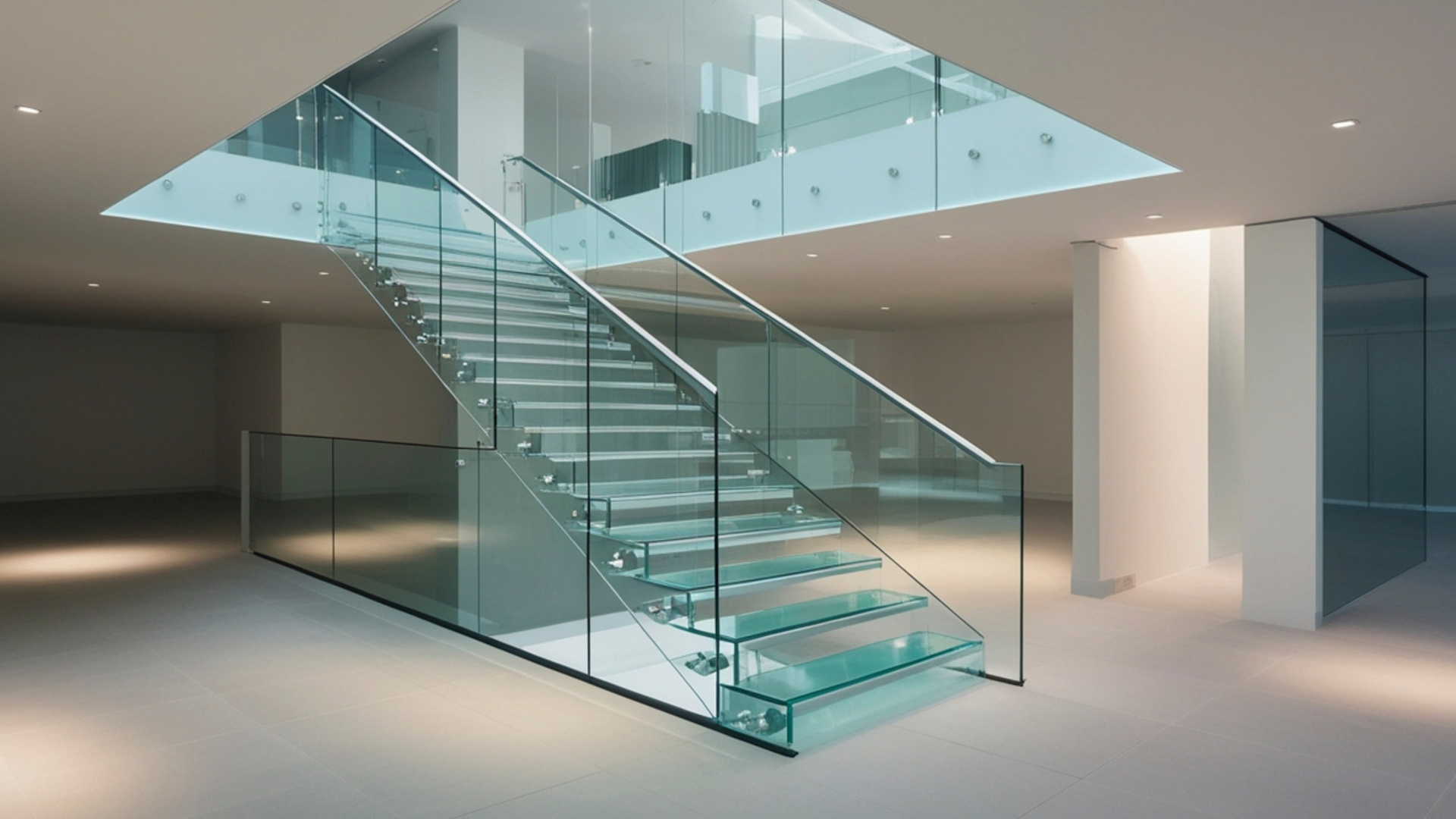
Glass is a favorite for projects where light-filled spaces and unobstructed views are desired. Glass balustrades or side panels make staircases feel open and less visually intrusive.
Impact on usability: Tempered glass provides strength and safety while allowing superior light penetration, which can improve visibility and reduce lighting needs.
Design flexibility: Can be combined with wood or metal for floating or spiral staircases.
Wrought Iron and Decorative Metals
For more intricate or traditional designs, wrought iron or other decorative metals create a statement with custom balusters and railings.
KPI-focused benefit: Using durable metals minimizes replacement frequency and associated downtime in maintenance-heavy homes or commercial properties with high foot traffic.
Design impact: Metals can be powder-coated to match interior themes, combining aesthetics with protective functionality.
Choosing the right material can create a statement staircase that complements the interior style while meeting long-term functionality goals.
Beautiful Staircase Designs That Elevate Home Interiors
Design choices shape how a staircase interacts with a room’s layout and visual flow. Beyond materials, geometry, openness, and focal points define the transformation potential of a staircase.
The following staircase ideas focus on structural layouts and visual configurations that elevate interior environments.
1. Floating Staircases: Open and Airy
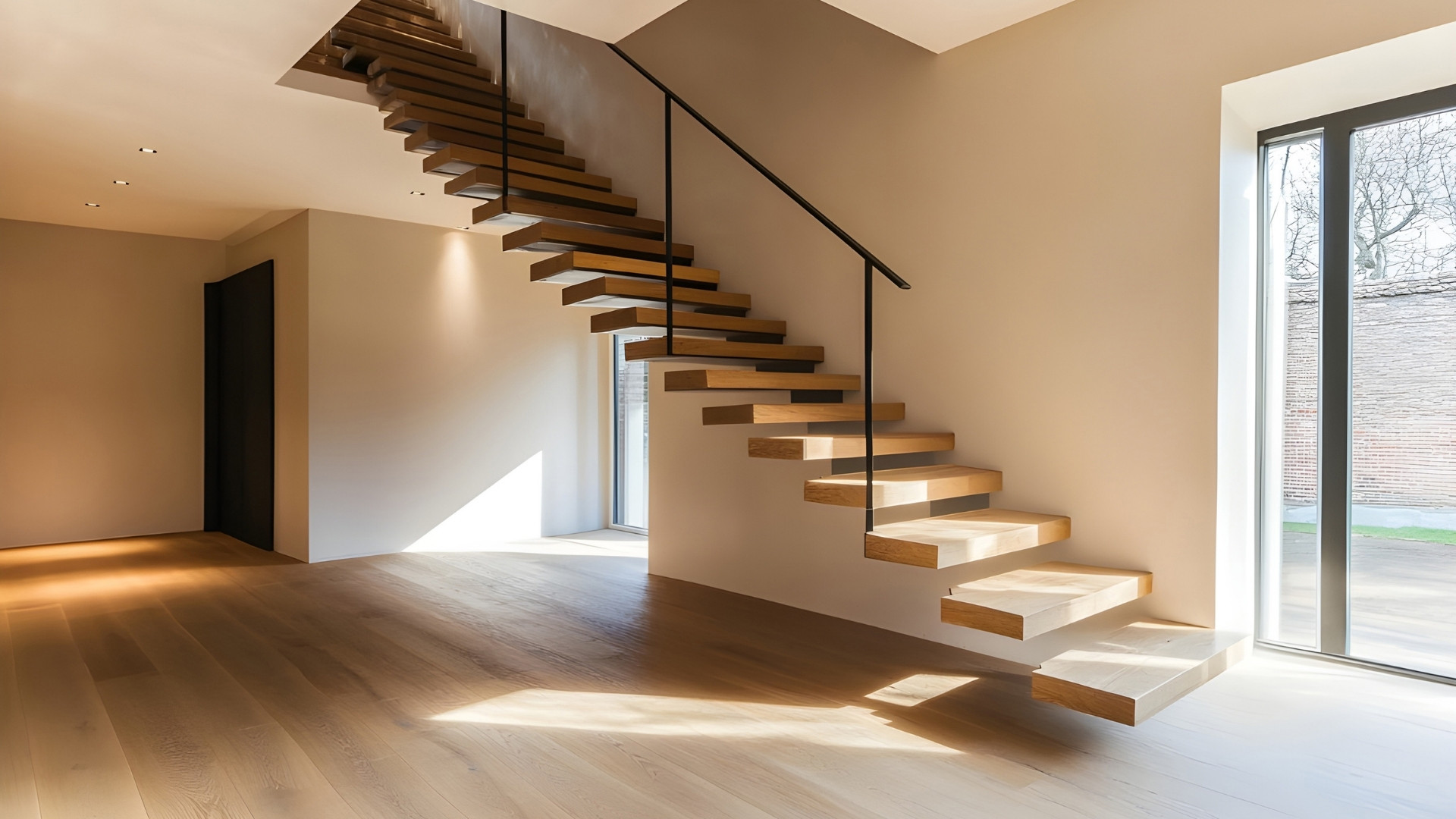
Floating staircases appear suspended without traditional supports, creating a sense of lightness and minimal obstruction. This type of design is especially effective in open‑plan homes or areas where preserving sightlines is important.
Aesthetic effect: Encourages visual continuity between floors and maximizes perceived space.
Functional outcome: Creates a less visually crowded environment, which can benefit traffic flow and spatial awareness.
Material considerations: Often built with steel stringers and wood or glass components to balance openness with structural stability.
Floating stairs can become a focal point of interior design, providing a sculptural element that acts as both art and infrastructure.
2. Spiral Staircases: Compact Style Solutions
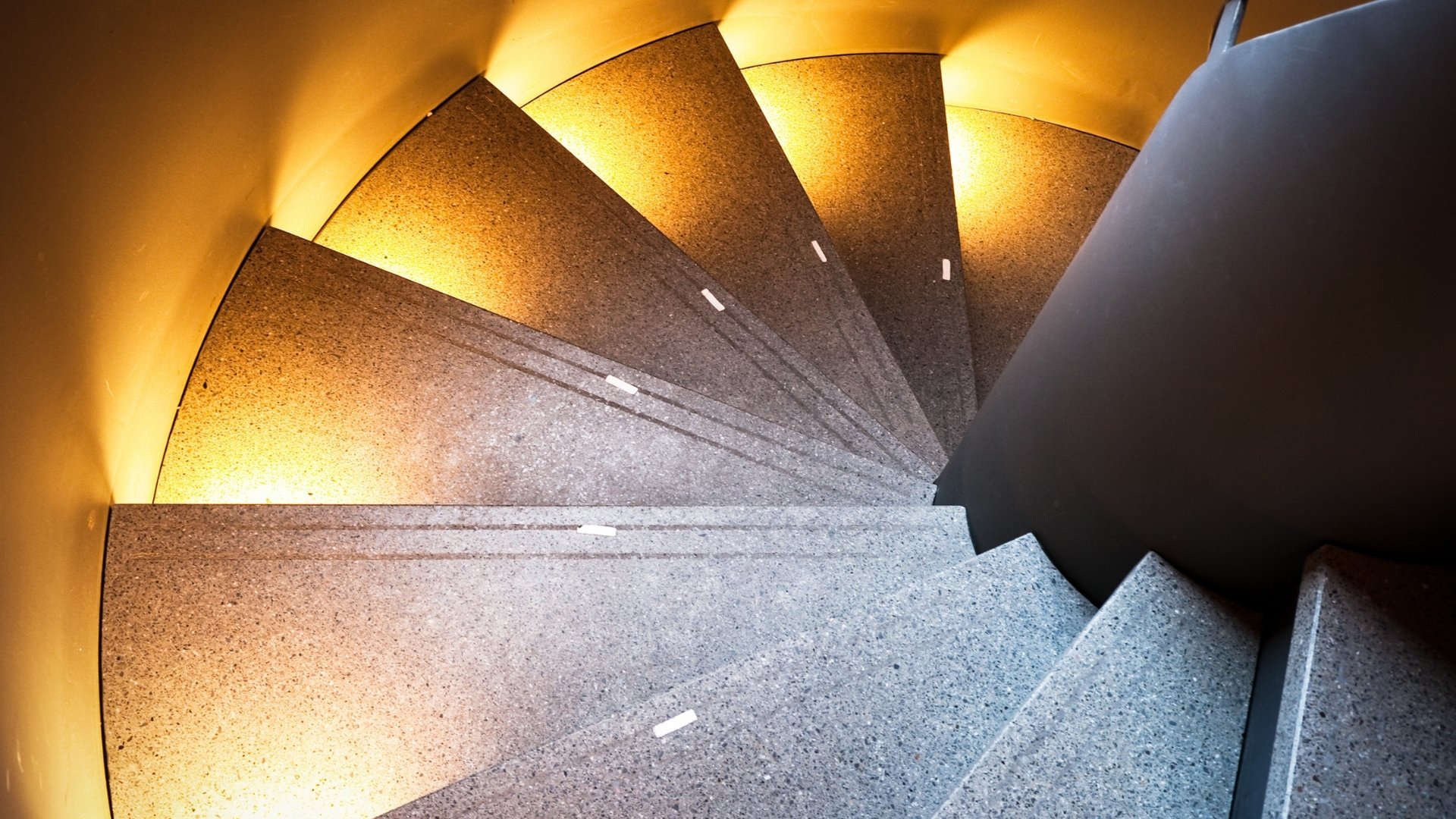
Spiral staircases wrap around a central post, making them an efficient use of vertical space. Their compact footprint makes them ideal for loft areas, tight corners, or secondary access between levels.
Aesthetic effect: Adds architectural intrigue and can act as a statement feature.
Functional outcome: Conserves floor area where space is limited.
Material flexibility: Works with wood, steel, or mixed materials based on the intended design language.
While spiral stairs may feel narrower than traditional layouts, thoughtful tread depth and handrail integration help maintain usability without sacrificing design quality.
3. Curved and Helical Stairs: Elegant Fluidity
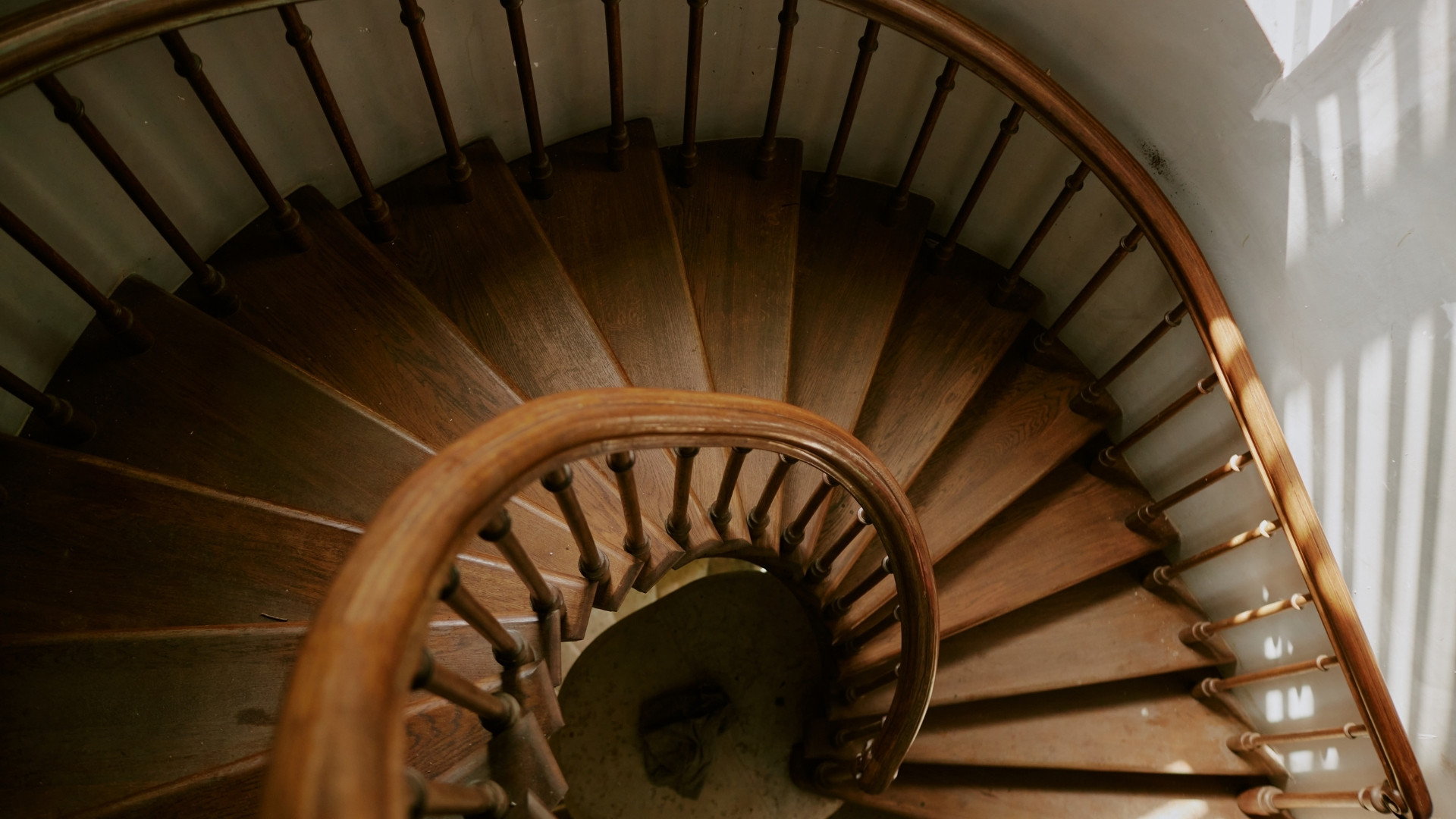
Curved and helical staircases follow a smooth arc rather than straight lines. This gentle curvature introduces an organic rhythm that invites movement and can harmonize with soft interior forms.
Aesthetic effect: Creates dramatic visual interest and a sense of flow.
Functional outcome: Provides a seamless transition between floors with ergonomic considerations.
Design note: Requires precision in planning and fabrication to align with architectural intent.
These designs often become showpieces, especially in entry foyers or open atriums where they can be appreciated from multiple vantage points.
4. Straight and Multi-Stringer Stairs
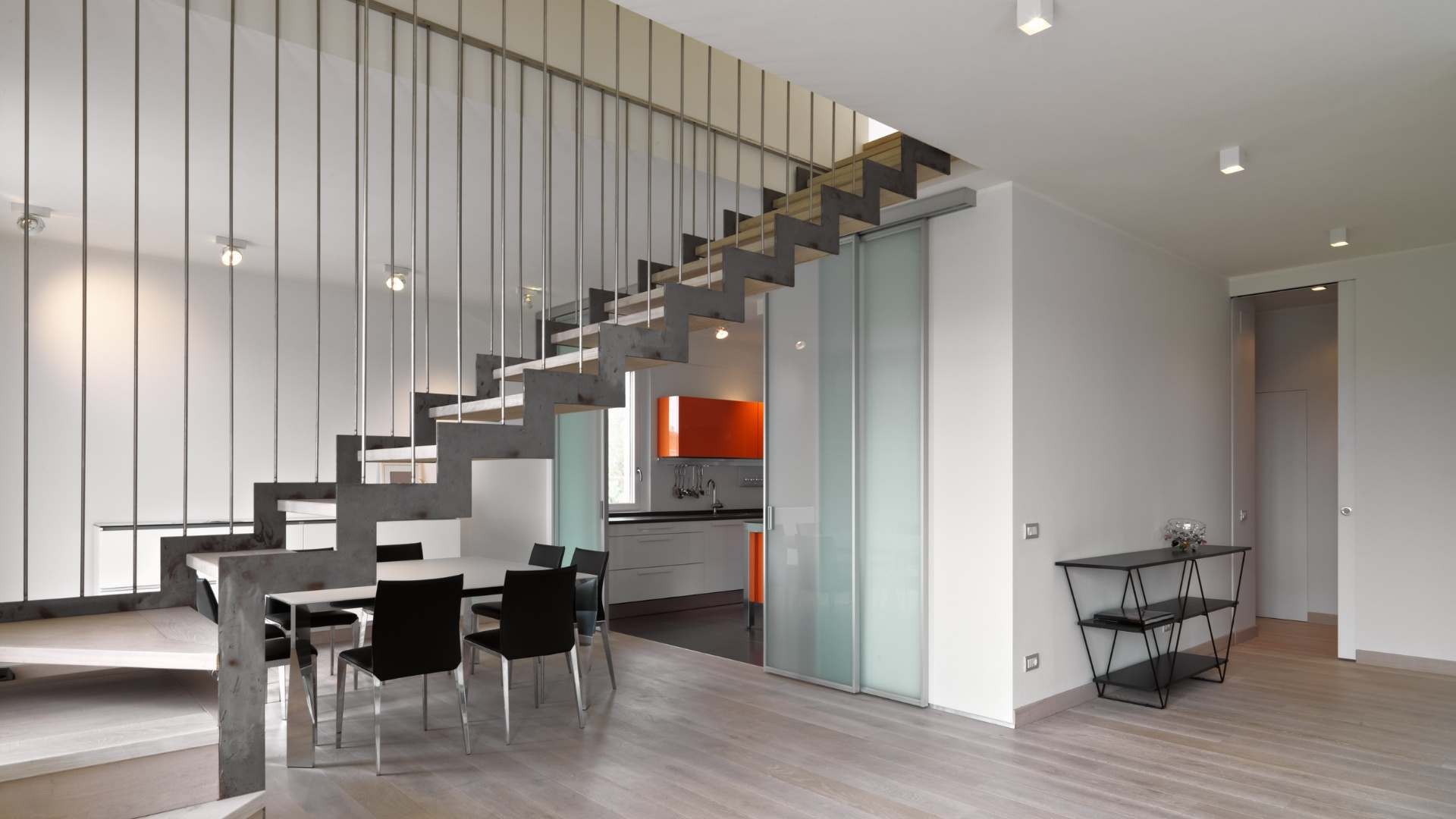
Straight stairs remain a versatile solution, particularly in long hallways or between adjacent floors. Multi-stringer configurations increase stability and support heavier loads.
Functionality: Easy to navigate, ideal for families with children or elderly members.
Efficiency: Straight stairs facilitate predictable material use and installation time, helping reduce project delays.
Design Integration: Paired with modern railings or treads, they can achieve a minimalistic, clean look.
This style works well in modern homes that prioritize uncluttered spaces and unobstructed circulation.
5. Statement Handrails and Balustrades
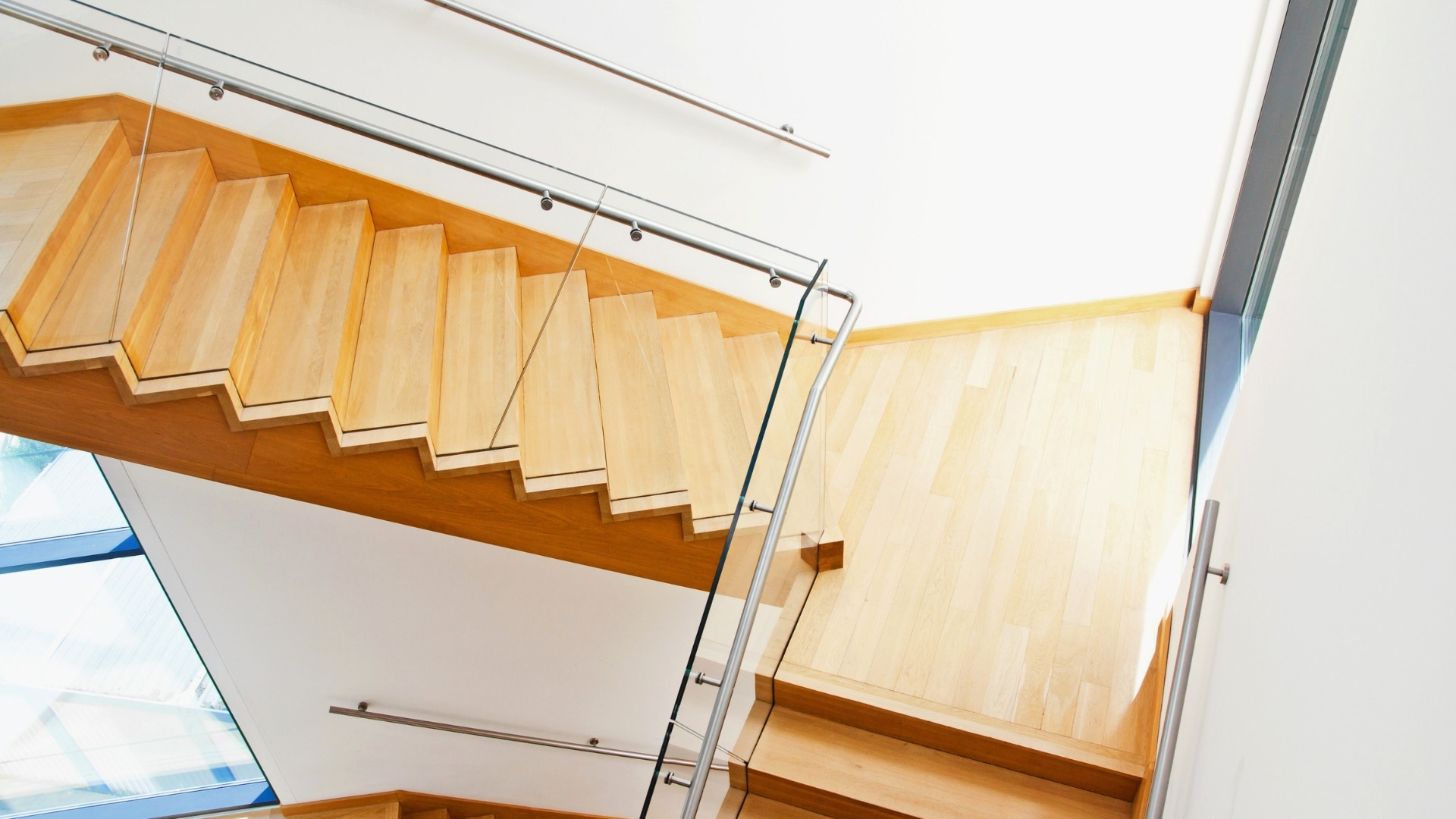
In some designs, the handrail itself becomes a focal point. Whether crafted from turned wood, sculpted metal, or seamlessly bent glass, railing systems can contribute as much to design impact as the stairs themselves.
Design advantage: Provides an opportunity for personalization and artistic expression.
Functional outcome: Serves safety needs without diminishing aesthetic value.
Material synergy: Works with many aesthetic themes, from industrial to traditional.
When thoughtfully integrated, handrails enhance the overall design narrative of the staircase.
6. Add Seasonal Flair with Garland and Bows
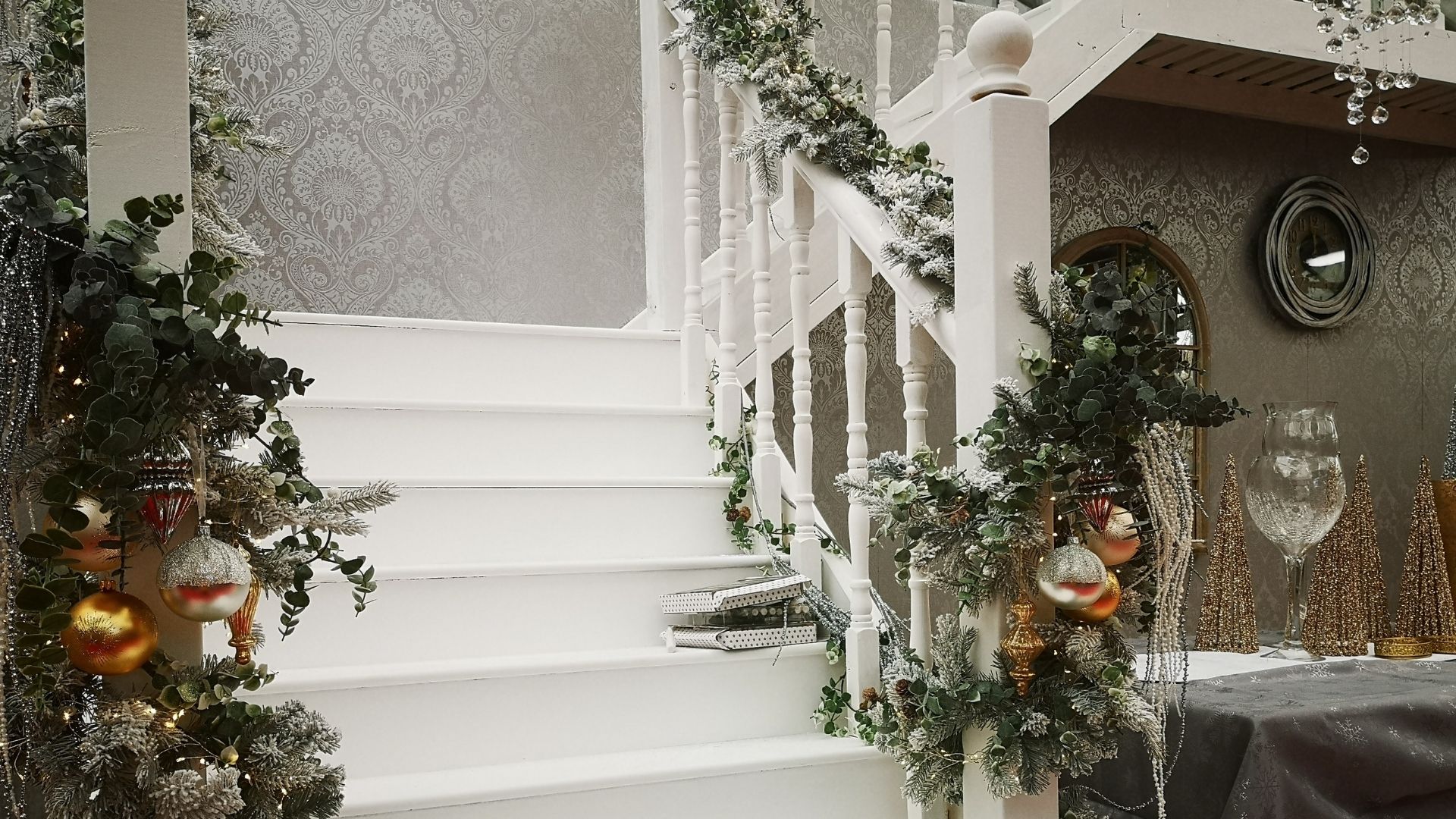
Seasonal updates allow you to refresh staircases without permanent changes. Decorative elements can be added without altering the structure or finishes.
Handrail wraps: Garland or fabric accents can be secured without drilling.
Landing focal points: Decorative elements placed at turns or landings draw attention upward.
Temporary fixtures: Removable hooks or ties prevent surface damage.
This approach supports visual variety while preserving the staircase’s core design.
7. Add an Artistic Runner or Rug
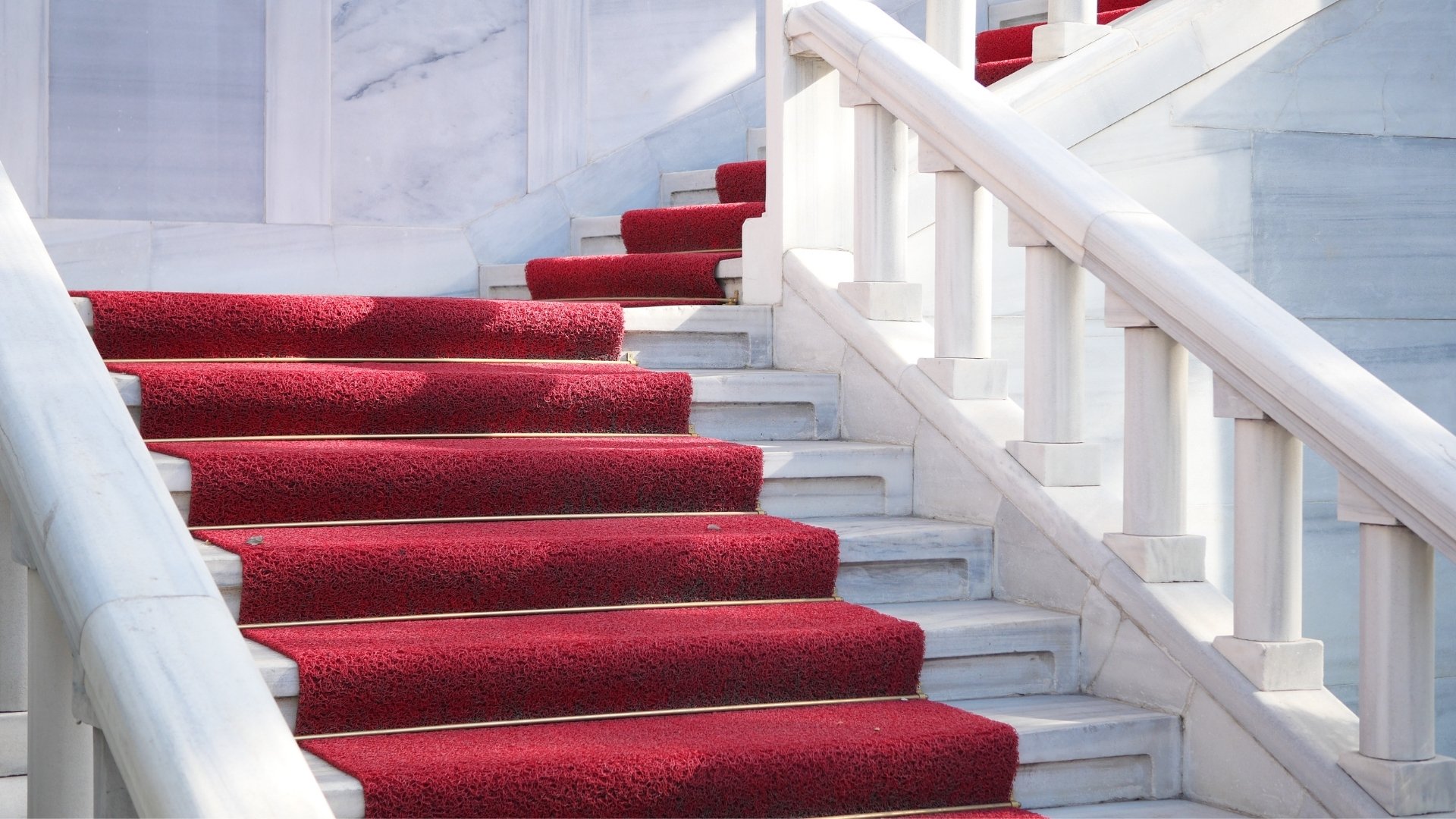
Runners and stair rugs add comfort, sound control, and visual interest. They are especially useful in homes with hard-surface treads.
Noise reduction: Soft surfaces reduce footfall noise between floors.
Visual guidance: Patterns help define step edges and improve depth perception.
Design flexibility: Runners can be replaced without changing the staircase structure.
Proper fitting is important to avoid shifting or bunching that could affect safety.
8. Choose Timeless Color Schemes and Patterns
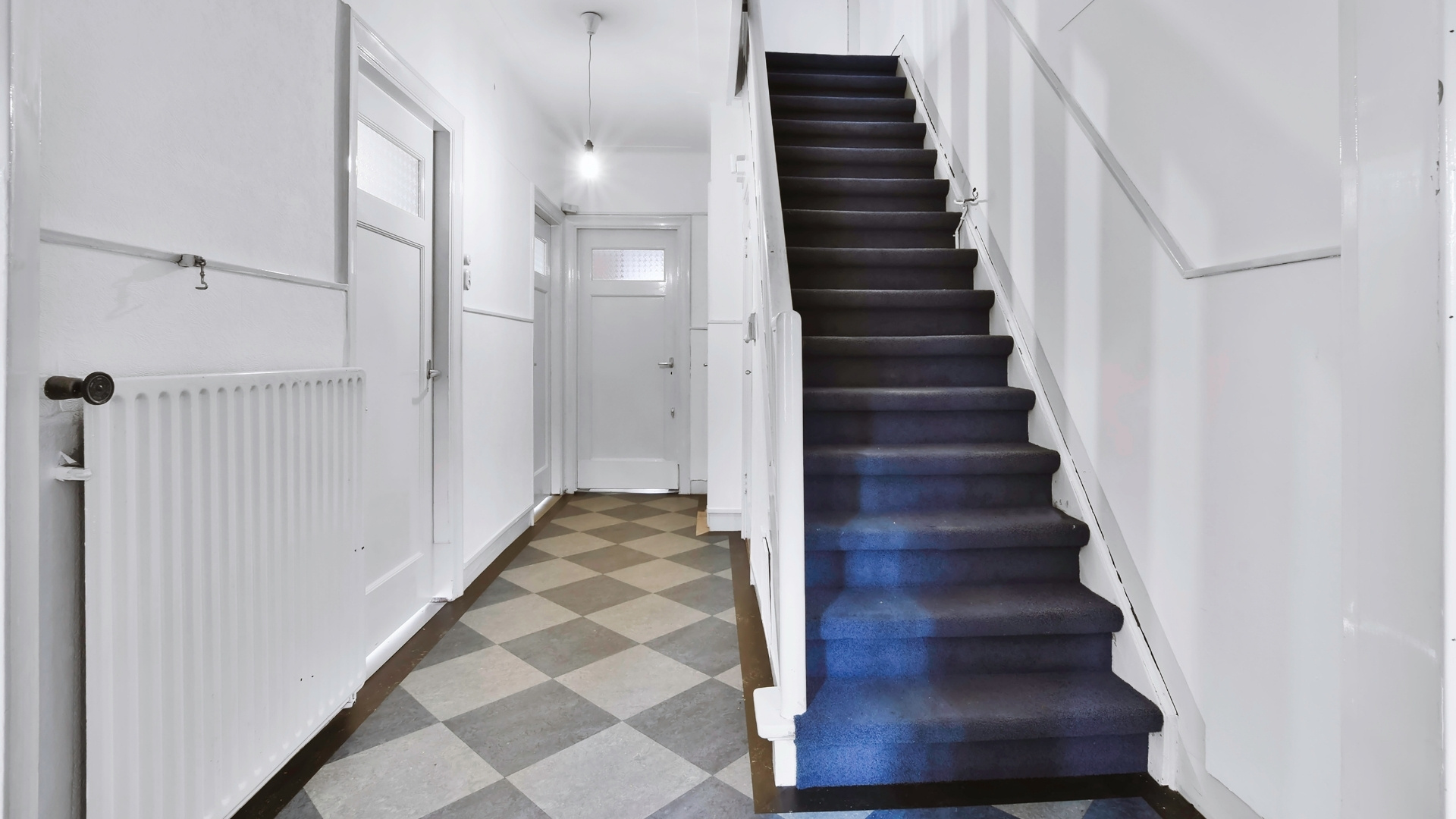
Color choices influence how long a staircase feels current. Neutral and balanced palettes age better and adapt to future interior changes.
Neutral bases: Whites, greys, and natural metal tones support longevity.
Consistent finishes: Matching stair colors with flooring improves visual continuity.
Subtle contrast: Light-to-dark transitions help define edges without appearing dated.
Timeless schemes reduce the need for frequent refinishing or repainting.
9. Add Contrast with Decorative Trim
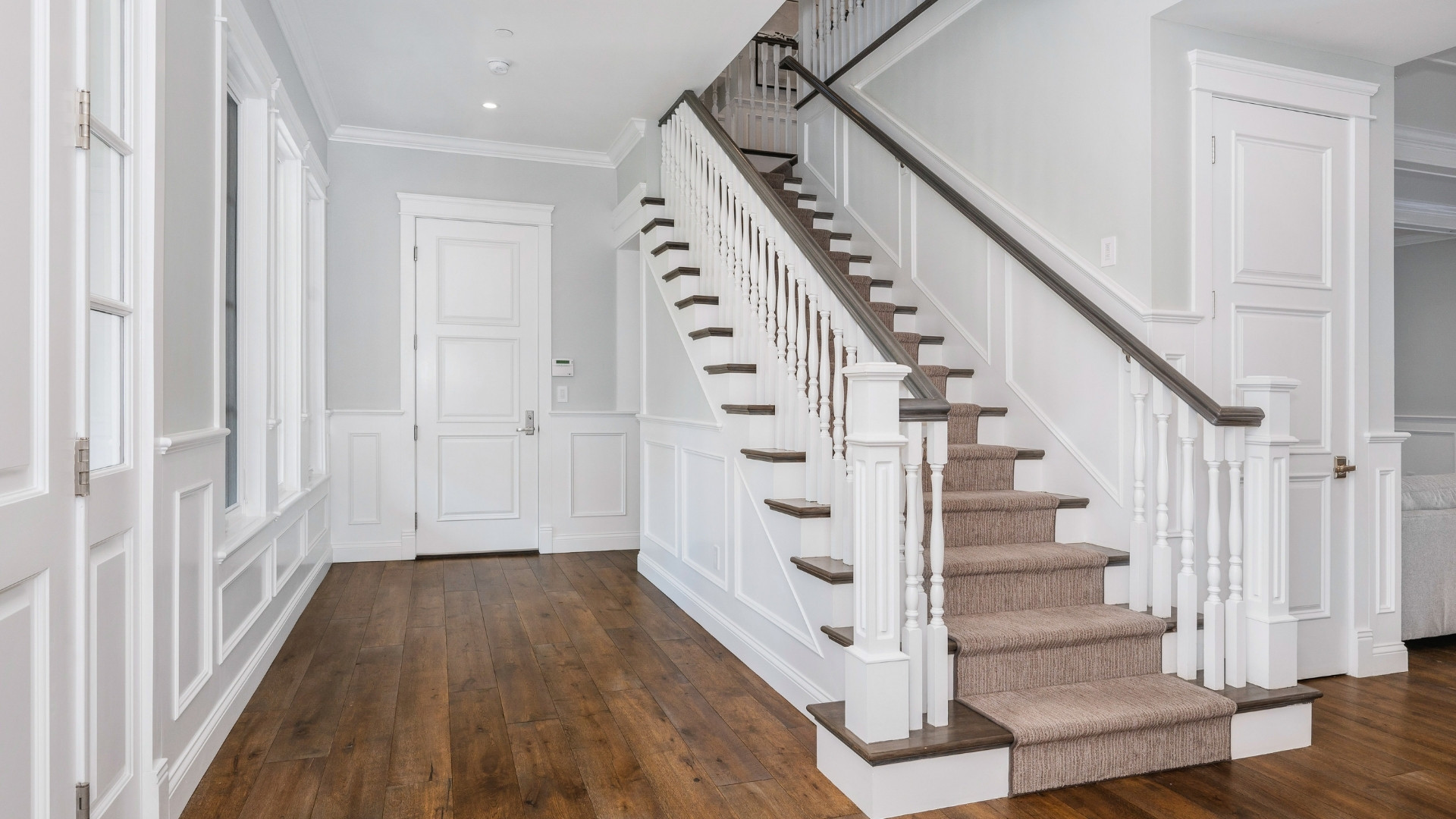
Decorative trim introduces detail without changing the staircase’s structure. It works well for contractors and architects who want definition without complex redesigns.
Riser edges: Contrast trim helps visually separate steps.
Stringer outlines: Highlights the staircase profile against the walls.
Landing borders: Frames transition points between levels.
Trim details can be adjusted to suit both modern and transitional interiors.
10. Include Statement Flooring and Tiles
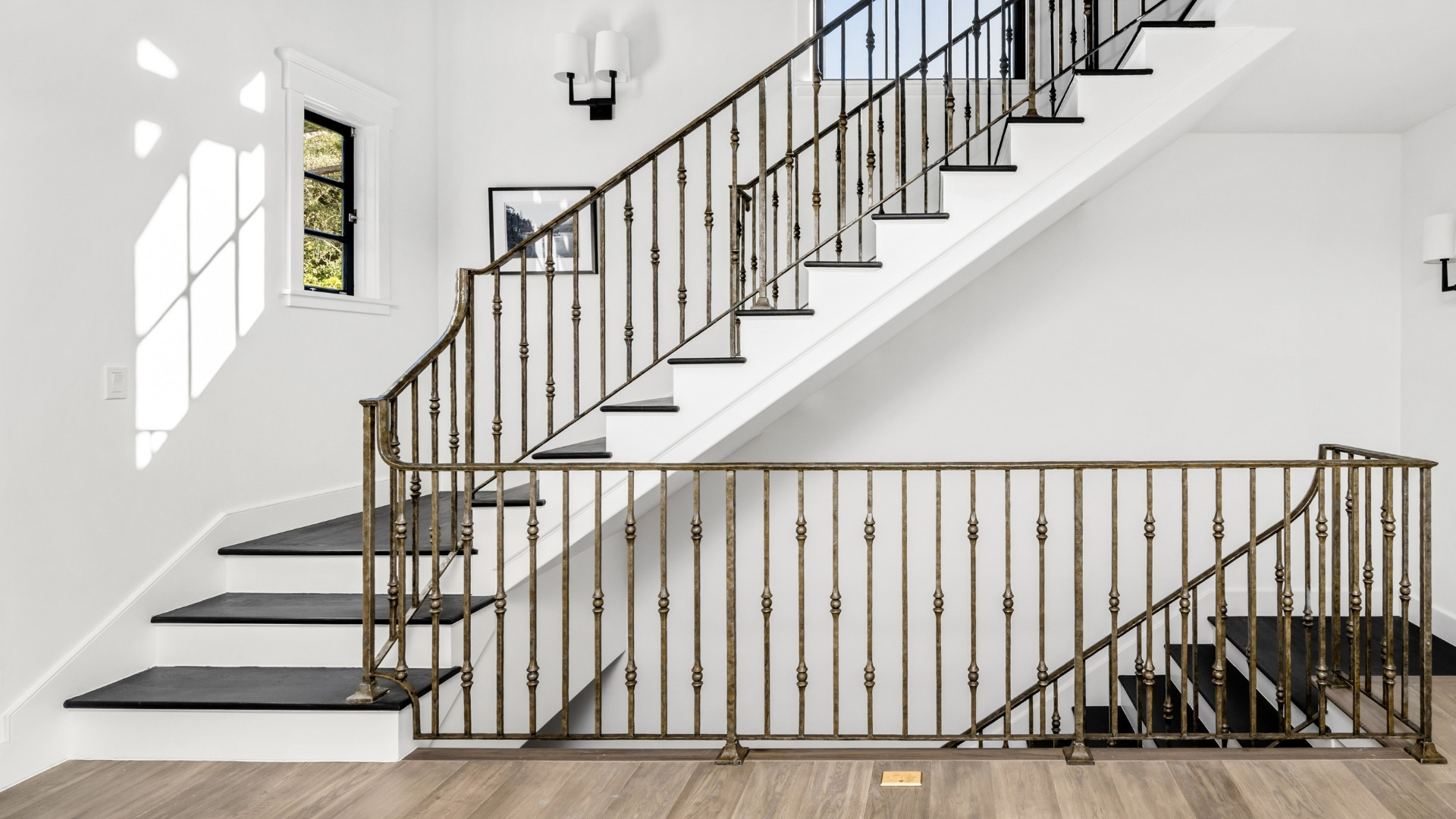
Flooring at the base or landing of a staircase sets the tone for the entire structure. Statement tiles or flooring materials can anchor the design visually.
Entry-level landings: Creates a strong first impression.
Mid-landing zones: Break up vertical movement with visual interest.
Durable surfaces: Tile and stone resist wear in high-traffic transition areas.
When coordinated with stair materials, flooring choices help the staircase feel intentional rather than separate from the home’s layout.
Each idea balances form and function to support everyday use while contributing to the home’s design language.
Functional Staircase Features That Add Value
Homebuyers and decision‑makers often assess spaces based on how easily they can be maintained, navigated, and integrated with adjacent spaces. Here are some functional features that contribute to usability and longer‑term value.
Tread and Material Choices
Treads take the most wear in any staircase. The right material choice affects comfort underfoot, noise levels, slip resistance, and long-term upkeep. This decision should balance appearance with how the staircase is used every day.
What to consider when selecting treads:
Durability and wear resistance: Hardwood, steel, and diamond plate options hold up better in high-traffic homes.
Slip control: Textured finishes or subtle nosing details help reduce fall risk without affecting design.
Maintenance effort: Materials that resist scratches and dents reduce refinishing frequency over time.
Choosing tread materials early in the design phase helps avoid rework and supports consistent finishes across floors.
Integrated Lighting for Safety and Ambience
Lighting improves both safety and visual appeal. Integrated stair lighting supports visibility at night while adding depth and definition to the staircase structure.
Functional benefits of integrated lighting:
Improved visibility: Step-edge or riser lighting reduces missteps in low-light conditions.
Lower reliance on overhead lighting: Targeted illumination helps control energy use in transitional spaces.
Subtle design enhancement: Soft lighting highlights materials without overpowering the room.
For custom staircases, lighting placement can be planned alongside structural details to avoid exposed wiring or retrofits later.
Storage Solutions Under Stairs
The space beneath a staircase often goes unused. With thoughtful planning, it can support storage needs without affecting structural integrity or design flow.
Common under-stair storage uses:
Built-in cabinets or drawers: Useful for shoes, tools, or seasonal items.
Closed storage rooms: Ideal for cleaning supplies or household equipment.
Open shelving: Works well in modern interiors where visual access is preferred.
Well-integrated storage reduces clutter elsewhere in the home and improves overall space efficiency.
In homes with limited floor area, traditional staircases may not be practical. Ship ladders and compact stair designs provide access while preserving usable space.
Where space-saving stair designs work best:
Lofts and mezzanines: Steep angles reduce footprint while maintaining access.
Home offices or studios: Compact access supports flexible room layouts.
Secondary stair access: Useful where full-width stairs are not required.
Custom fabrication ensures these designs meet safety requirements while fitting exact spatial constraints.
How Acadia Stairs Helps Bring Your Staircase Vision to Life?
Acadia Stairs combines decades of experience with advanced fabrication techniques to deliver custom staircases tailored to each home. From concept to installation, they provide expertise in modern designs, durable materials, and precision fabrication.
Here’s how we can support you:
Customization: Every staircase is built to precise shop drawings, ensuring a perfect fit for your home layout. We can provide a 3D rendering of your stair design before the shop drawing phase and create sketches showing railings, treads, intermediate landings, and other structural details.
Material Expertise: Our metal fabrication capabilities extend to custom railings, metal & wood finishes, and other bespoke components to enhance both design and durability.
Design Consultation: Offers guidance on stairwell layouts, treads, railings, and optional LED integration, helping you optimize both space and usability.
Long-Term Value: Acadia’s designs focus on lasting quality, reducing maintenance needs and improving the lifecycle of the staircase.
Collaborate with Acadia Stairs to explore staircase ideas that combine beauty, safety, and practical usability for your home or project.
Conclusion
A staircase can influence how a home feels, functions, and flows. When treated as a design investment rather than a purely structural necessity, a well‑chosen staircase becomes a defining element of interior space. Material choices such as wood, steel, glass, and wrought iron set the tone, while structural layouts like floating, spiral, curved, or minimalist stairs create spatial character.
By integrating thoughtful design, durable materials, and specialized features like LED lighting or custom railings, you can achieve staircases that balance elegance and safety. Working with experienced specialists like Acadia Stairs ensures precision, durability, and design integrity, whether your project is residential or commercial.
Contact us today to bring your vision to life with Acadia Stairs’ custom solutions.
FAQs
How can I integrate plants or greenery into staircase designs for a biophilic touch?
Incorporate potted plants on landings, hanging planters along the railing, or vertical wall planters beside the stairs. Choose low-maintenance greenery like ferns, pothos, or succulents. Natural wood or stone steps paired with plants enhance the biophilic feel, creating a calming, nature-inspired atmosphere.
How to choose runner rugs or carpets that complement staircase styles?
Select runner rugs based on your staircase’s material, color palette, and style. Narrow stairs suit slim, patterned runners, while wide stairs can handle bold designs. Durable, non-slip materials like wool or synthetic blends ensure safety, while colors and textures should harmonize with flooring and surrounding décor.
How do I style staircase walls with gallery art or mirrors for visual impact?
Use staggered frames, large statement pieces, or a cohesive gallery wall along the staircase to draw the eye upward. Mirrors can reflect light and make the space feel larger. Mix frame styles or maintain a unified theme depending on whether you want contrast or a sleek, modern look.
What are luxury staircase ideas inspired by high-end architecture and interiors?
Luxury staircases often feature floating treads, glass balustrades, metal accents, or sculptural designs. Marble, rich hardwood, or bespoke lighting adds elegance. Custom handrails, integrated LED lighting, and artistic elements transform functional stairs into striking focal points reminiscent of high-end homes and boutique hotels.
How to maintain and clean beautiful staircases to keep them looking pristine?
Regular dusting, vacuuming, and wiping with appropriate cleaners protect wood, stone, or carpeted stairs. Treat spills promptly, polish wood, and inspect railings for stability. For glass or metal elements, use non-abrasive cleaners. Consistent upkeep preserves both aesthetics and safety over time.