Modern stair design has grown beyond mere functionality. Today, stairs serve as architectural statements that combine artistry, innovation, and better use of space. The right staircase contributes to the flow, light, and visual appeal of a space while also improving daily comfort and accessibility.
A modern staircase can optimize traffic flow, improve access to different levels, and serve as a central piece of artistry that reflects personal taste. In fact, the 2024 U.S. Houzz & Home Study reports a median renovation spend of $24,000, reflecting a strong shift toward high-impact interior elements like staircases.
By choosing the right design, materials, and professional craftsmanship, homeowners can enjoy a staircase that is both practical and visually captivating. This blog explores key ideas, materials, and considerations to help homeowners, contractors, architects, and engineers make informed decisions about modern stair design.
Key Takeaways:
Modern staircases blend functionality with visual appeal, using clean lines, open spaces, and built-in lighting to improve flow and light distribution.
Popular designs like floating, spiral, straight, ship ladder, and curved stairs each offer unique solutions for space use, movement, and style.
Material choices such as steel, wood, glass, and stone shape a staircase’s look, feel, and durability while working with different design styles.
Stair design must be tailored to home type, size, and usage, helping keep it safe, comfortable, and practical across small apartments, multi-story homes, lofts, and luxury residences.
Key Characteristics of Modern Stair Design
Modern staircases are defined by clean lines, open spaces, and innovative use of materials. Unlike traditional staircases, which often prioritize purely structural concerns, modern stair design focuses on balancing form and function.
Key characteristics include:
Clean Geometry: Modern staircases favor simple, angular forms or smooth curves without excessive ornamentation. This can reduce visual clutter and create a sense of openness.
Minimal Visual Obstruction: Open risers, slim handrails, and glass guards maintain sightlines and help distribute natural light more effectively throughout a space.
Integrated Lighting: Thoughtful use of lighting, such as under‑tread LEDs, adds safety and reduces the need for additional fixtures, which in turn simplifies maintenance.
Material Contrast: Combining materials carefully, steel with wood, glass with metal, creates visual interest while defining zones and functions in open floor plans.
Space Efficiency: Modern stair design can make your home feel more open and comfortable by improving usable floor area and circulation paths.
For homeowners and planners alike, these characteristics help guide staircase choices that balance aesthetic impact and practical outcomes such as ease of movement, light distribution, and anticipated maintenance cycles.
8 Popular Modern Stair Design Ideas for Homes
Modern stair design works best when form and function work together. The right design choice can make your space more usable, help people move easily through the home, and keep the staircase lasting longer.
Below are widely adopted design ideas that have demonstrated real‑world value in contemporary homes.
Floating Stairs
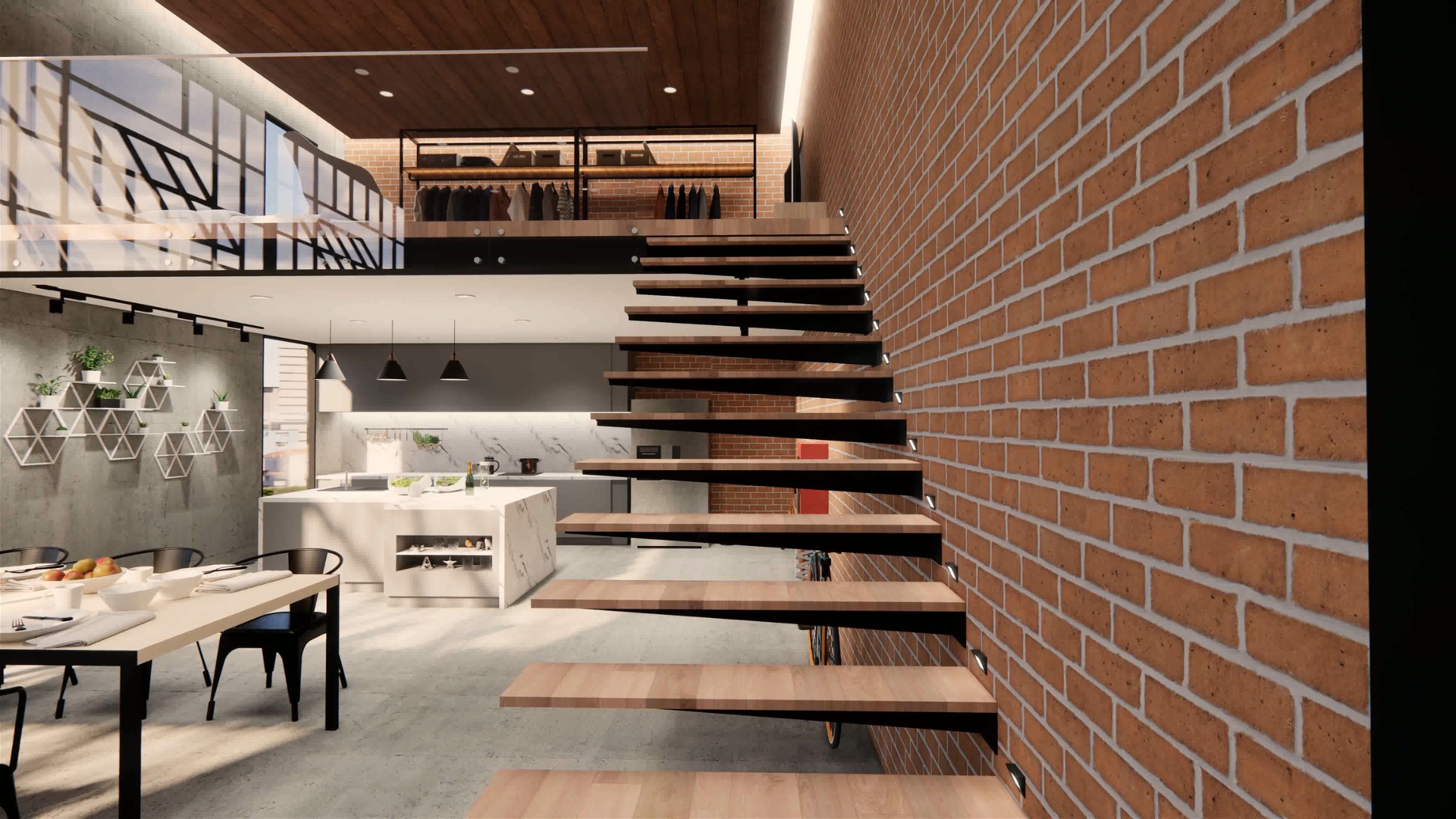
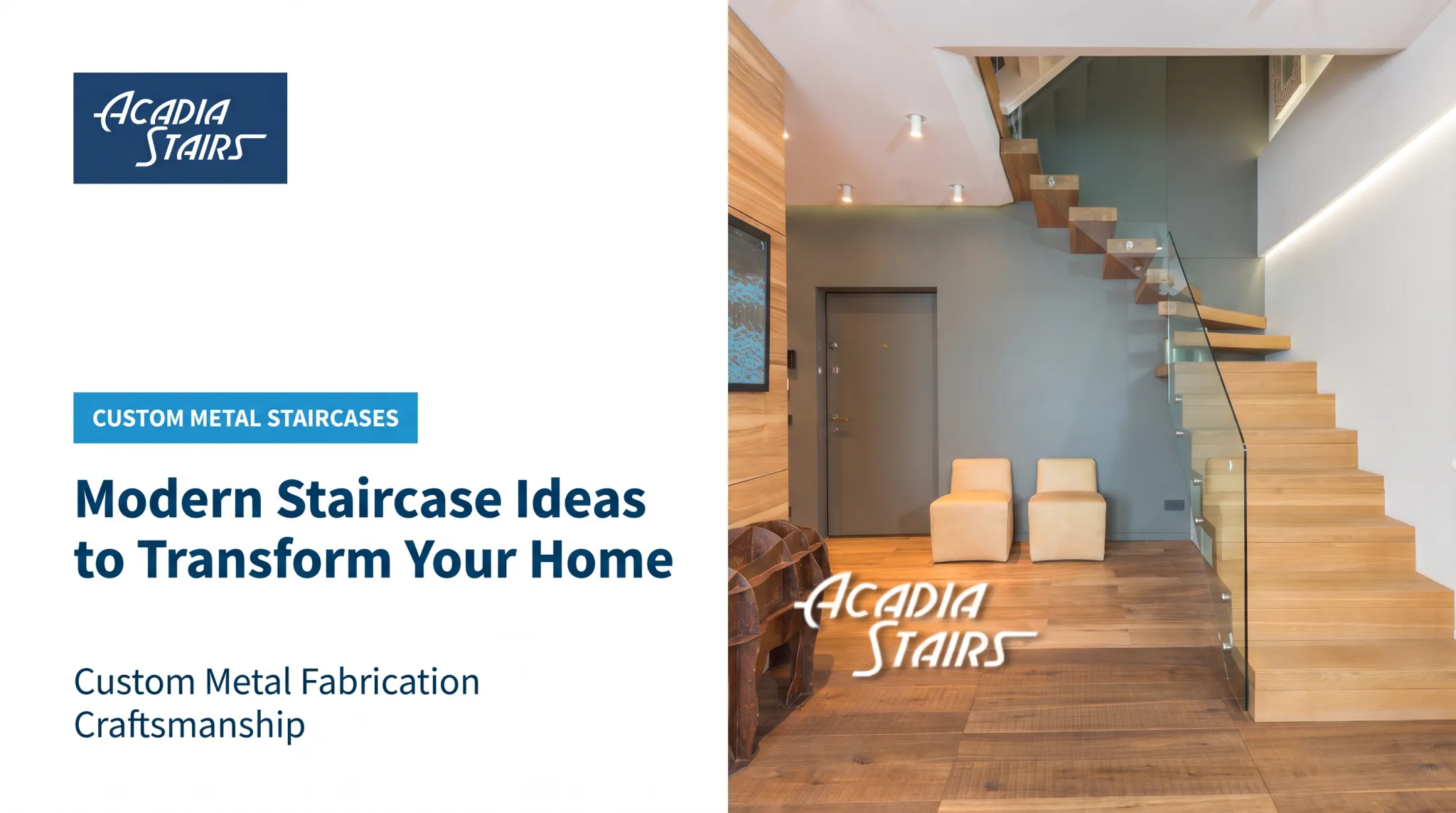
Floating stairs are designed to look like they’re hanging, often using hidden steel framing. They are common in modern homes where openness and light matter more than heavy visuals.
Space perception: Open risers allow light to pass through, making compact rooms feel larger without altering floor plans.
Daily movement: Clear sightlines reduce visual clutter, helping movement feel more natural between floors.
Structural planning: Requires precise load calculations and wall anchoring to support long-term stability.
Floating stair design works well in open living areas where the staircase is visible from multiple angles.
Spiral and Helical Stairs
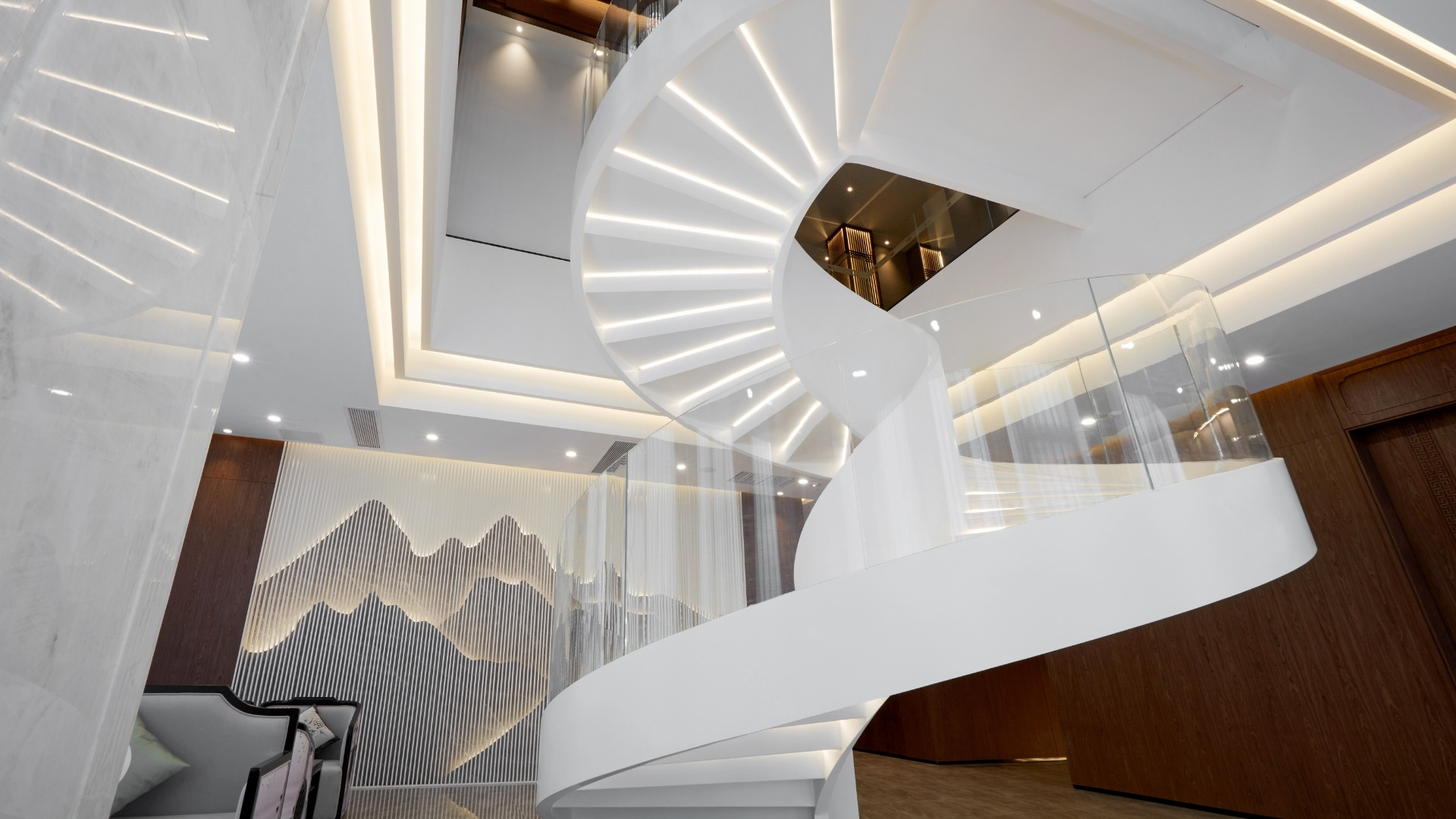
Spiral and helical stairs save floor space while letting you move vertically. While both curves, helical stairs, give a wider path than tight spiral layouts.
Footprint control: Ideal when floor space is limited but vertical access is still required.
Traffic flow: Continuous curves support smoother movement, especially in multi-level homes.
Design impact: Adds architectural character without increasing structural complexity across floors.
These designs are often used in lofts, secondary staircases, or areas where straight runs are impractical.
Straight and Mono Stringer Stairs
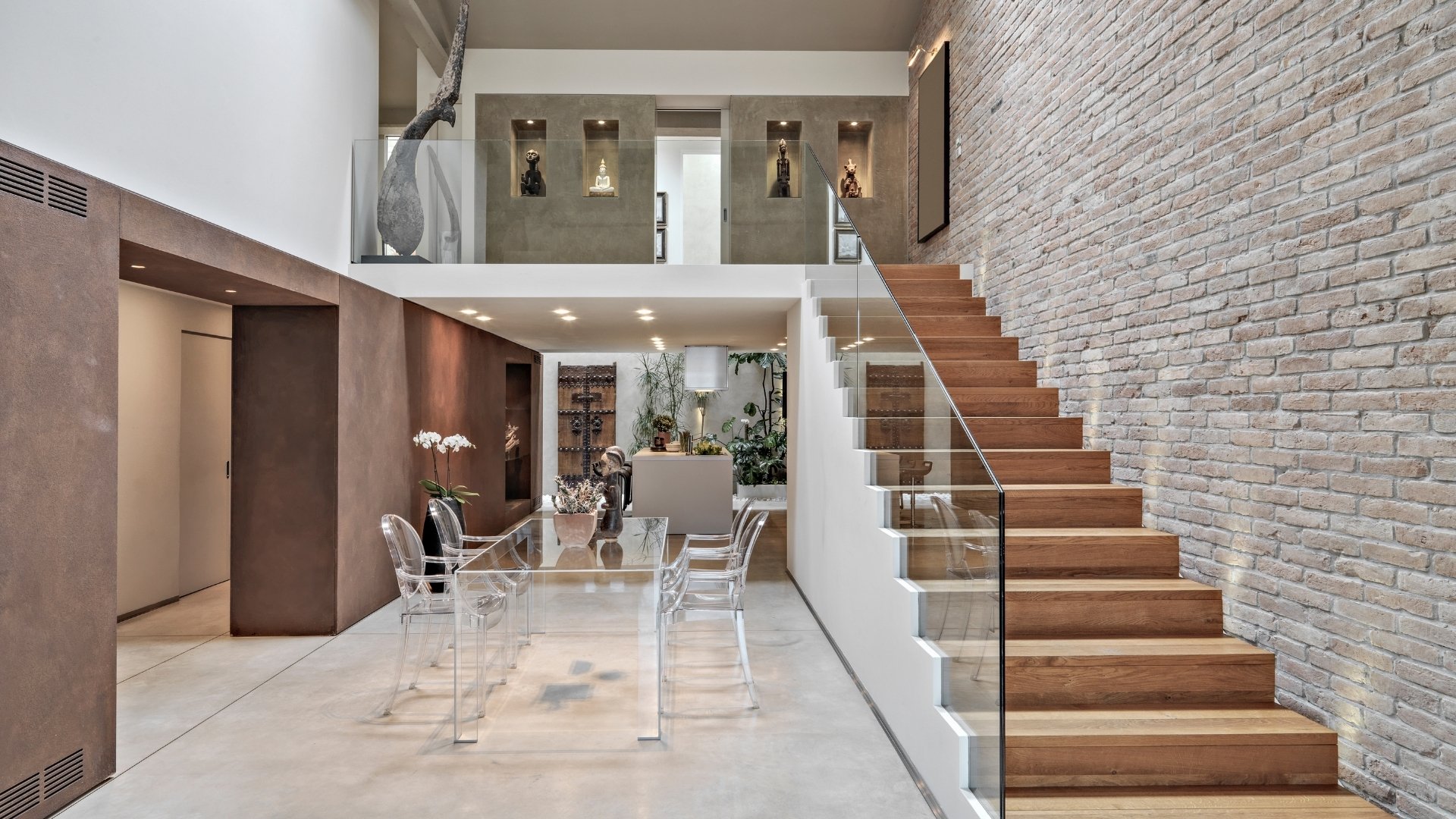
Straight stairs with a single central stringer are common in modern homes that like clean lines and simple layouts.
Installation clarity: Straight runs simplify fabrication and alignment, reducing layout risks.
Visual balance: Central stringers create a clean profile that fits minimalist interiors.
Maintenance access: Fewer components make inspections and upkeep easier over time.
This stair design works well in homes where durability matters as much as looks.
Ship Ladders for Tight Spaces
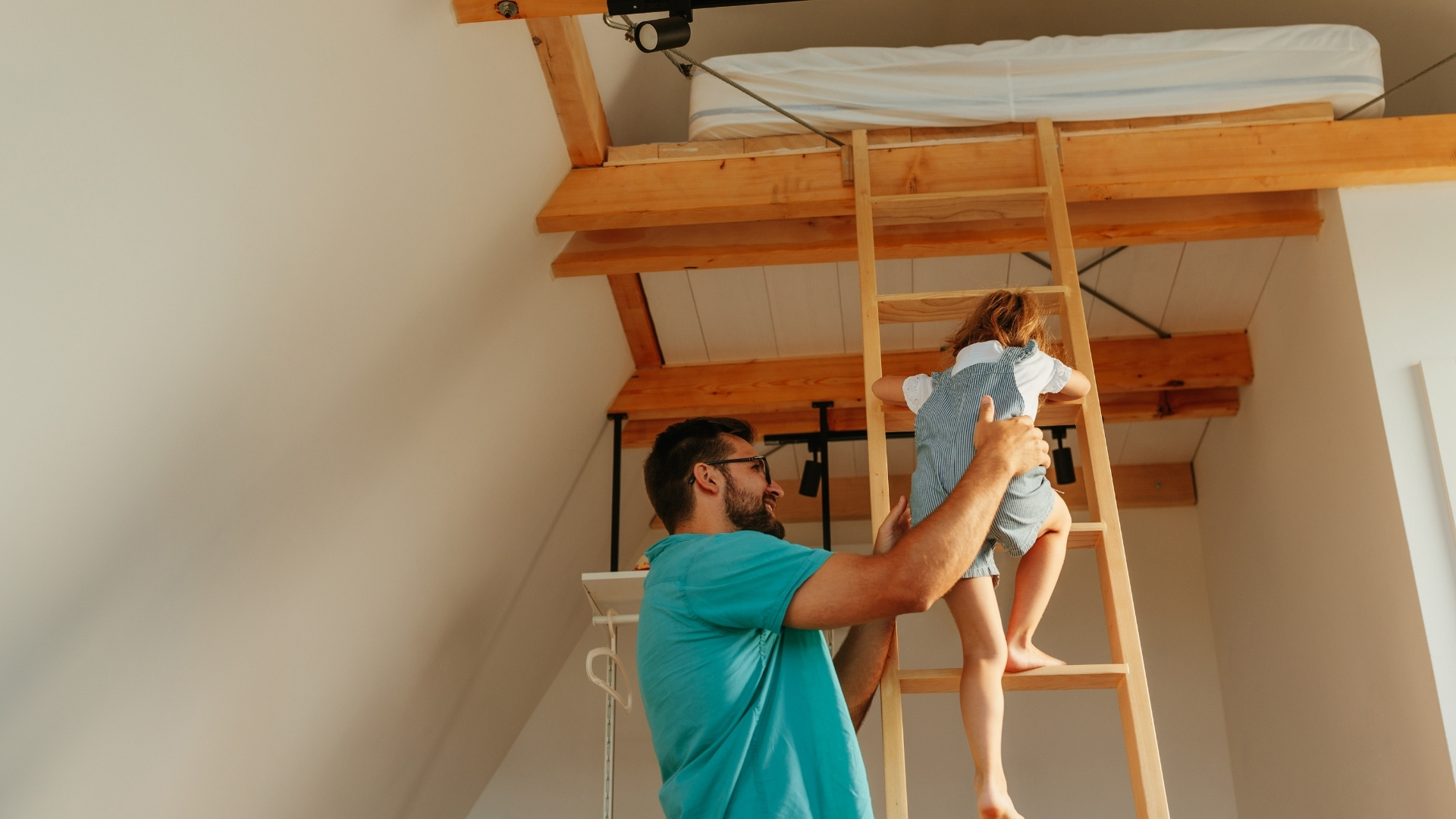
Ship ladders are steep, compact stairs meant for occasional use rather than constant traffic. They are often used where traditional stairs would take up too much space.
Space recovery: Frees up usable square footage for storage or living areas.
Targeted access: Best suited for lofts, mezzanines, or rooftop access points.
Safety support: Requires well-positioned handrails and non-slip tread surfaces for daily use.
When designed correctly, ship ladders fit in without taking over your floor plan.
Curved or Custom Art Stairs
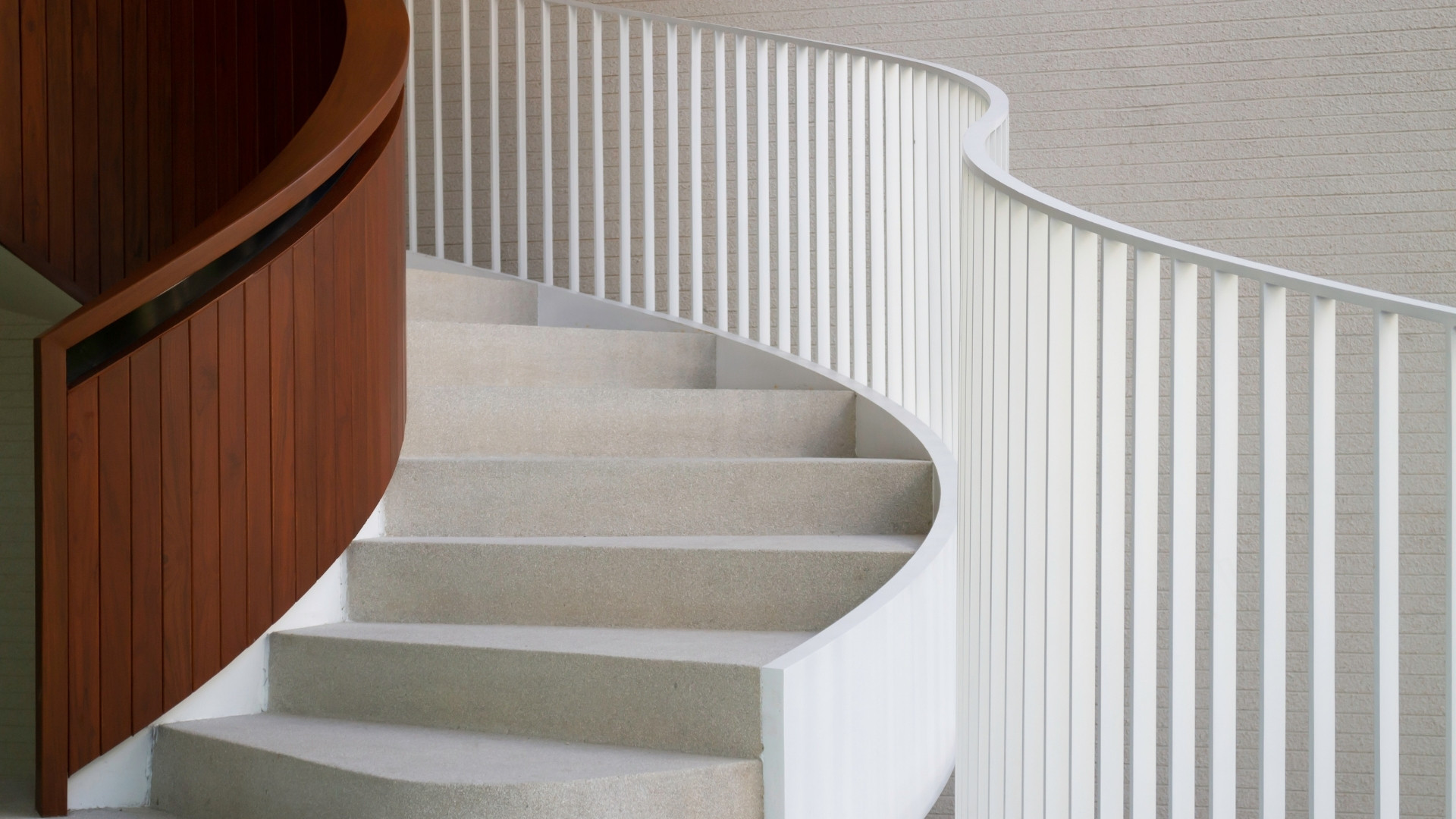
Curved staircases are crafted as standout features rather than background elements. Craftsmen typically custom-build them to suit the home’s layout.
Movement efficiency: Gradual curves guide foot traffic smoothly between levels.
Visual hierarchy: Acts as a central design element without overwhelming adjacent spaces.
Fabrication accuracy: Demands precise shop drawings and controlled installation to maintain alignment.
These stairs are often placed in entryways or open atriums where visibility is high.
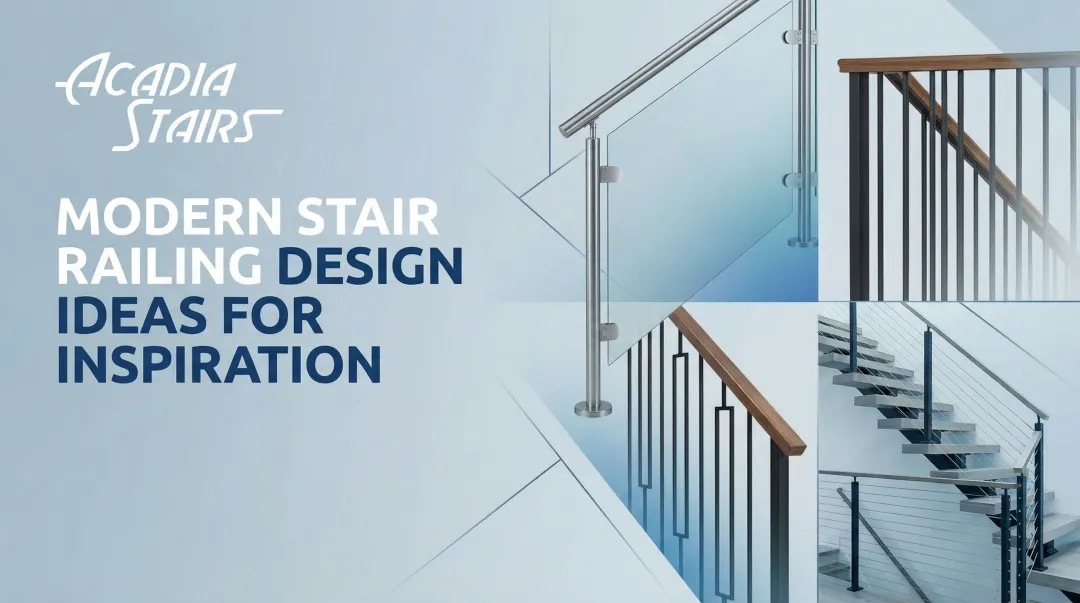
Glass and Minimalist Railings
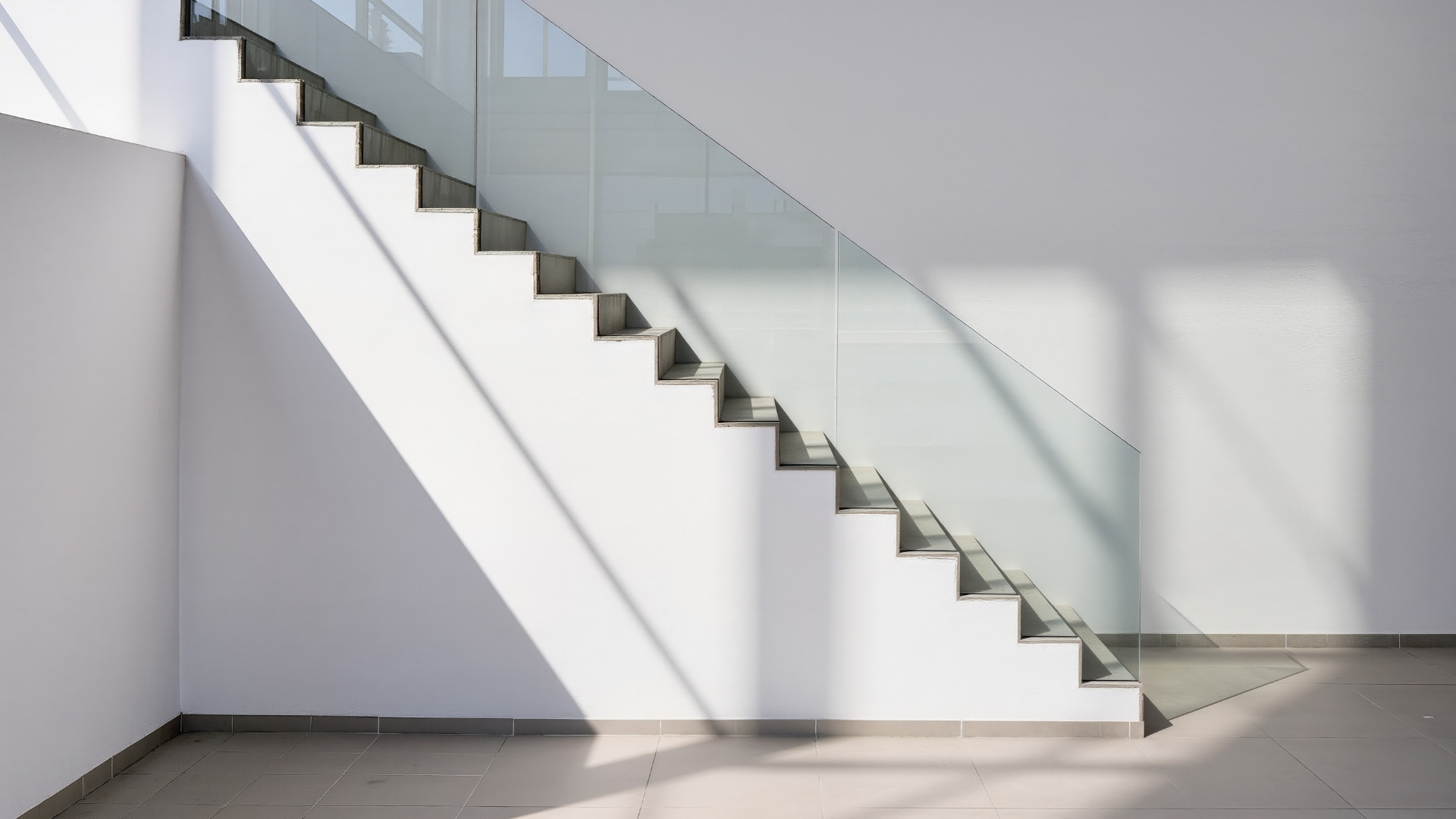
Modern stair design often uses railing systems that protect without blocking views.
Light flow: Glass panels allow natural light to reach lower levels.
Visual continuity: Slim metal rails maintain safety while keeping lines clean.
Cleaning practicality: Smooth surfaces reduce dust buildup and simplify upkeep.
This approach is especially useful in open-plan homes where transparency makes the space feel bigger.
LED-Integrated Stair Systems
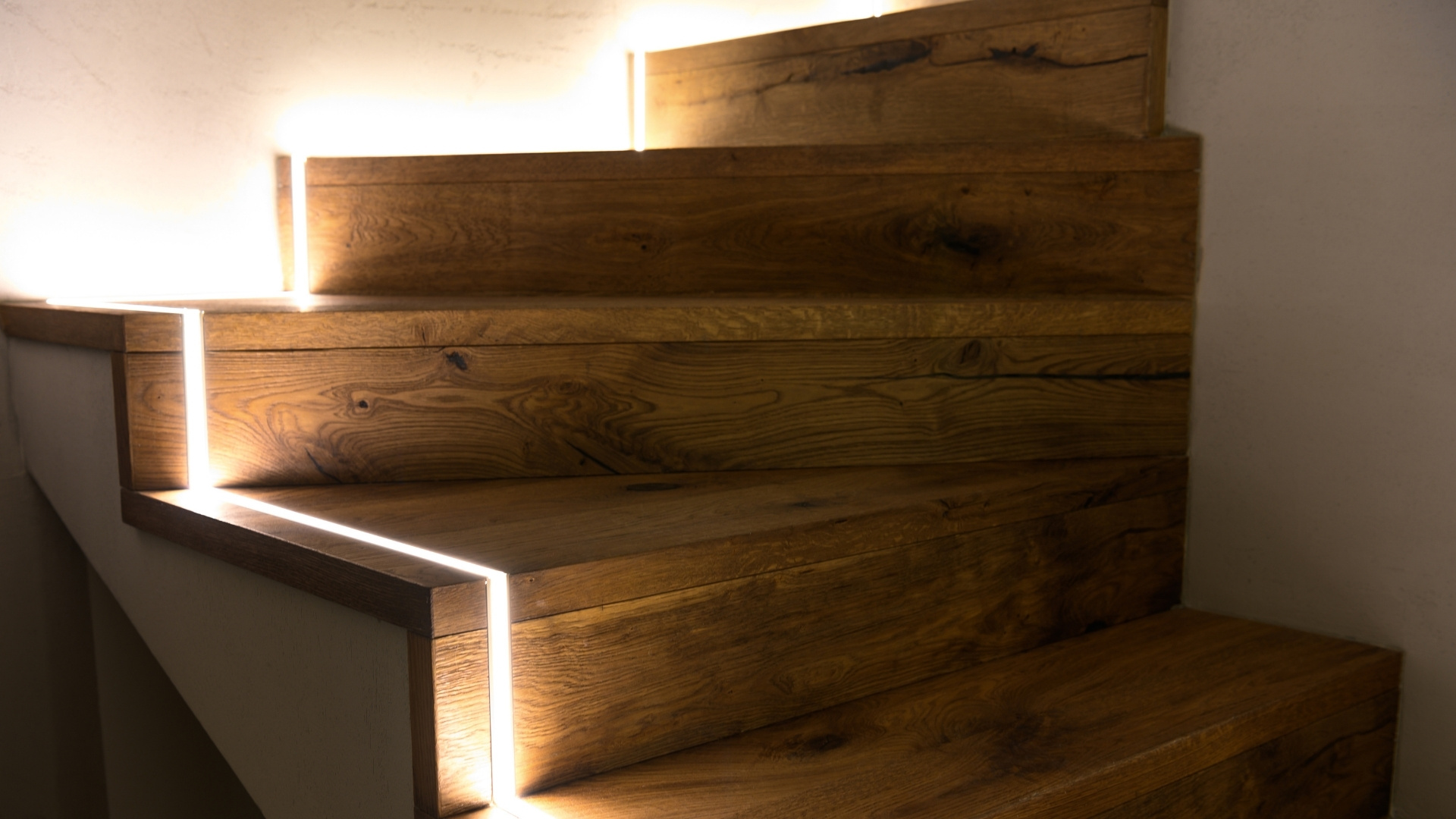
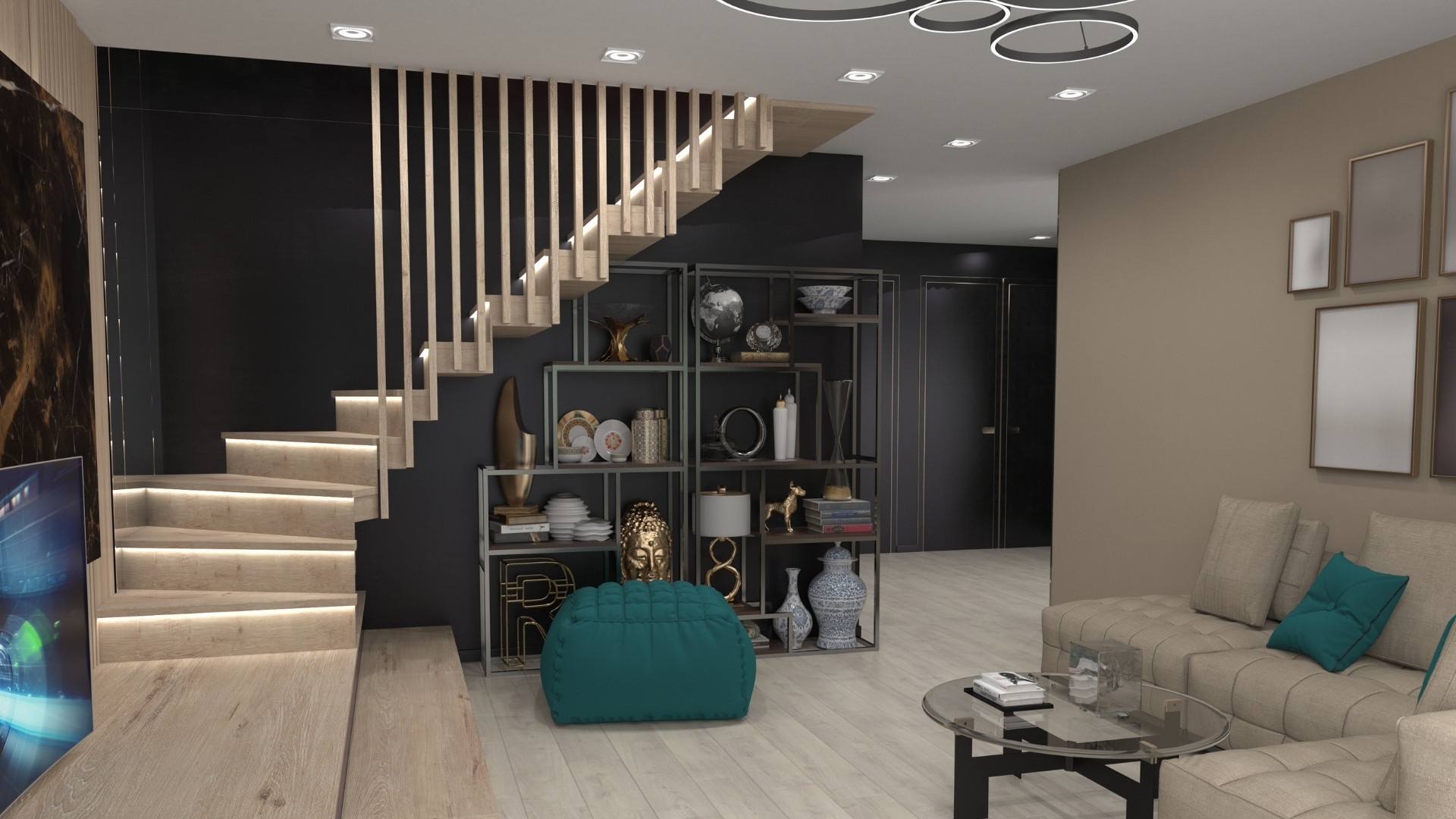
Integrated lighting makes stairs safer and easier to use at night, especially in homes with low ambient lighting.
Step visibility: Clear tread lighting reduces missteps during night use.
Navigation clarity: Helps guide movement between floors without additional fixtures.
Low maintenance: Long-life LED systems reduce replacement frequency.
LED stair systems add subtle style while keeping daily use safe.
Layered Textures with Wood and Stone
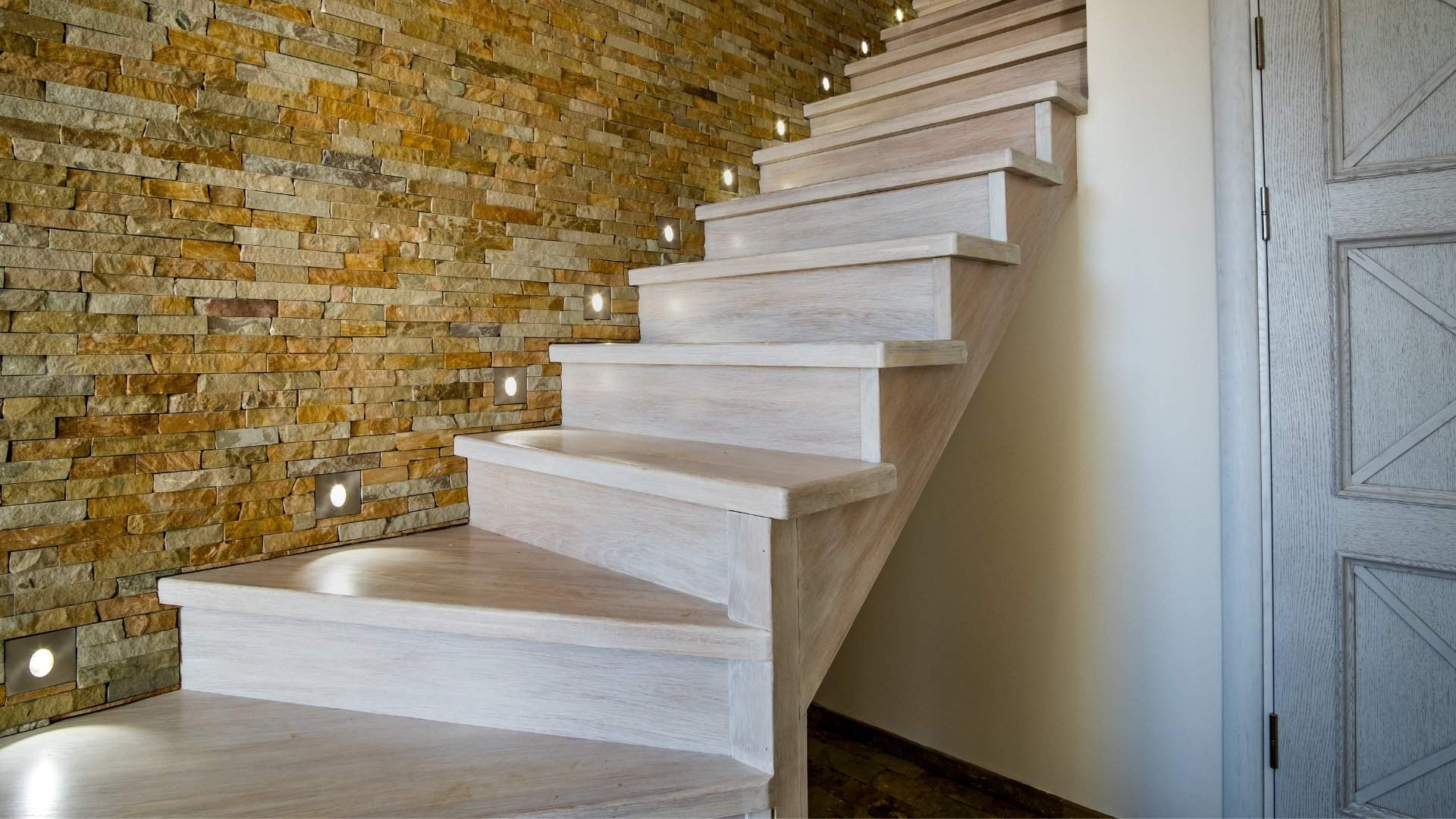
Combining textures adds depth without heavy decoration. Wood and stone pair nicely with steel for a balance of warmth and strength.
Surface contrast: Differing textures improve grip and walking comfort.
Wear resistance: Stone treads handle high-traffic areas effectively.
Design flexibility: Allows stair design to align with surrounding flooring and walls.
This approach works well in homes where materials need to perform as well as they look.
Each style can be customized to fit everything from compact city apartments to sprawling luxury homes.
Materials That Define Modern Staircase Aesthetics
Modern staircases often combine materials to achieve contrast and balance, pairing warmth with industrial elements. Material choice affects light reflection, tactile experience, and long-term upkeep.
Below are some materials frequently used in modern stair design:
Steel: Perfect for stringers and structural frames thanks to its strength and slim profile. It supports open designs and long spans without adding visual weight or sacrificing stability.
Stainless Steel: Great for railings and exposed parts where corrosion matters. It keeps surfaces looking good in humid interiors and high-touch areas with minimal upkeep.
Wood: Usually used for treads to add warmth and comfort underfoot. Wood also cuts down on footfall noise while keeping a clean, modern look when paired with metal.
Glass: Ideal for railings and guards to preserve sightlines and let light flow through. Glass keeps staircases feeling airy, especially in open-plan or multi-level homes.
Wrought Iron: Provides strength with subtle decorative detail. When kept minimal and geometric, it adds character without overpowering modern interiors.
Powder-Coated Finishes: Applied to metal parts to improve durability and color consistency. Powder coating helps prevent wear, fading, and frequent touch-ups in busy stair areas.
Acadia Stairs can guide you in choosing the right materials to match your home’s interior and achieve the desired balance of style and durability.
Design Considerations for Different Home Types
Not every design idea suits every home. Tailoring the staircase to the home’s layout, ceiling height, and intended use ensures both safety and aesthetics.
Small Homes and Apartments: Space-saving options like spiral or floating stairs maximize floor area while adding visual interest. Light-colored treads and open risers help the room feel bigger.
Multi-story Family Homes: Whether you choose straight, curved, or helical stairs, they not only look great but also handle heavy family traffic with ease. Handrail placement, durability, and child safety are key considerations.
Loft Conversions and Industrial Spaces: Metal and wood combos work really well with exposed beams and tall ceilings, keeping the space open and airy. Open designs prevent a cramped feeling.
Luxury or High-End Homes: Custom curved or floating stairs with LED lighting and top-quality finishes make a strong statement. Material choices like exotic wood or brushed steel can increase your home’s value while lasting for years.
Homeowners should also think about ergonomics, load requirements, and possible future changes. Smart stair design can reduce accidents, improve movement around the home, and make sure every square foot is used wisely.
How Acadia Stairs Can Elevate Modern Staircase Design?
Acadia Stairs specializes in creating custom staircases that balance form and function. The team works closely with homeowners, contractors, architects, and engineers to develop stair systems that align with architectural intent, structural requirements, and day-to-day use.
Here’s how we can assist you:
Custom-Fit Designs: Every staircase is developed from precise shop drawings based on site conditions, load requirements, and architectural constraints. This approach supports accurate fabrication and predictable installation outcomes across residential and commercial projects.
Metal Fabrication Expertise: Staircases are fabricated using steel, stainless steel, and wrought iron, with options to combine wood or glass where required. This allows better control over structural integrity, finish quality, and long-term durability.
Design Visualization Before Fabrication: Acadia Stairs can provide 3D renderings before entering the shop drawing phase. These visuals help stakeholders review proportions, layout, and how the stair design fits within its environment.
Project-Specific Solutions: From floating staircases and curved forms to space-saving ship ladders, solutions are developed to align with design intent, space limitations, and practical use requirements rather than one-size-fits-all models.
Integrated Features: Options such as glass railings, LED integration, and custom handrails are incorporated where they support visibility, safety, and daily usability without adding unnecessary complexity.
For teams and homeowners seeking a staircase that makes a statement while performing flawlessly in everyday life, Acadia Stairs provides tailored solutions that combine artistry, engineering, and practicality.
Conclusion
Modern stair design transforms a staircase from a functional necessity into a centerpiece of home design. By choosing the right style, materials, and professional guidance, homeowners can enhance both aesthetics and daily living while supporting long-term property value.
Thoughtful design choices, such as floating treads, mixed materials, and LED integration, improve usability, safety, and visual appeal. Experts like Acadia Stairs offer tailored solutions that help bring these design visions to life, combining expert metal fabrication, material knowledge, and custom layouts for every project.
For stair solutions that balance aesthetic preferences with predictable everyday performance, contact Acadia Stairs for a consultation on your stair design.
FAQs
What are eco-friendly material options for sustainable stair designs?
Sustainable stairs often use reclaimed wood, bamboo, recycled metal, or FSC-certified timber. Low-VOC finishes and natural oils reduce environmental impact, while durable recycled materials ensure longevity. These choices combine aesthetics with responsibility, making stairs both stylish and eco-conscious.
How do bifold or sliding staircases work in multifunctional spaces?
Bifold and sliding staircases save space by folding or gliding against walls when not in use. Ideal for compact rooms, lofts, or attic access, they allow multifunctional layouts without compromising accessibility. Smooth operation and safety locks ensure usability while maximizing floor area.
What safety regulations must modern residential stairs follow?
Residential stairs must meet local building codes, typically specifying riser heights (7–8 inches), tread depth (10–11 inches), handrail height (34–38 inches), and non-slip surfaces. Proper lighting, balustrade spacing, and load capacity ensure user safety and code compliance.
What are the benefits of cantilevered stairs for urban apartments?
Cantilevered stairs appear floating, creating an open, airy look that enhances limited urban spaces. They allow light flow, add a modern aesthetic, and make rooms feel larger. Engineered for strength, they balance style with structural safety, ideal for apartments with compact layouts.
What maintenance tips apply to glass or acrylic stair elements?
Clean glass or acrylic stairs with non-abrasive cleaners and soft cloths to prevent scratches. Regularly check for chips or cracks and tighten fixings. Avoid harsh chemicals, heavy impacts, or dragging objects to maintain clarity, safety, and long-term durability.