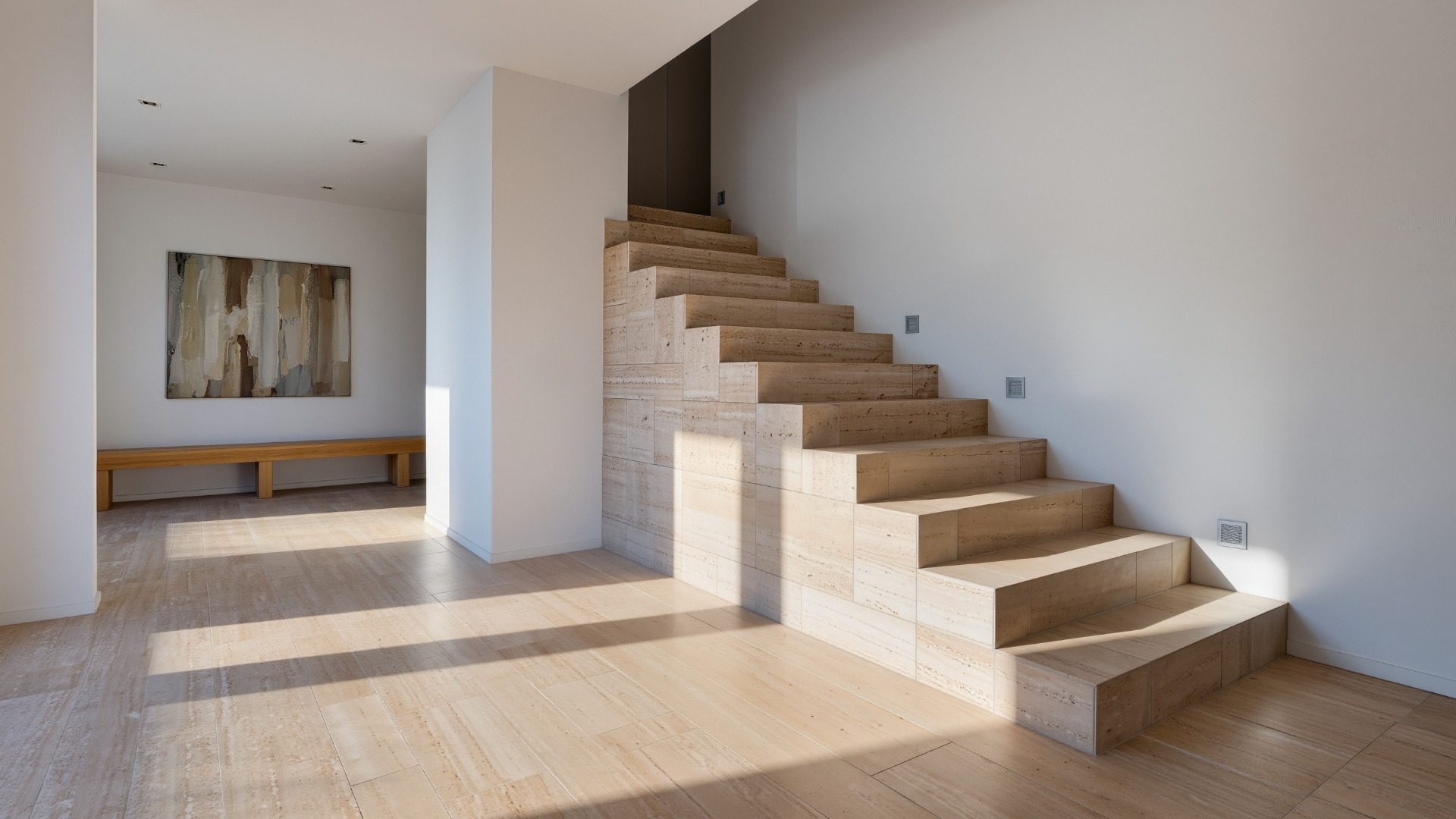
As a decision-maker responsible for your building projects, you know that every design choice impacts both aesthetics and functionality. Traditional staircases often eat into usable space and block natural light, leaving interiors feeling cramped and disconnected. You need a solution that balances structural integrity with modern design demands without adding complexity to your workflow or increasing installation challenges.
Open staircases offer a solution by maximizing space without compromising safety or design quality. You can improve visual continuity in your projects, allow light to flow freely, and create areas that feel more expansive and modern. In fact, 74% of American homebuyers say they won’t even consider a home if it has poor lighting, making open staircases crucial.
Choosing the right materials and design ensures durability and meets operational goals while keeping the visual appeal your clients or stakeholders expect. This blog explores material choices, design ideas, safety considerations, and practical tips to help you plan the perfect open staircase.
In a nutshell:
Open staircases create light-filled, spacious interiors while connecting floors visually and improving modern design flow.
Material choices like steel, wood, and glass affect both durability and aesthetic impact, supporting long-term performance and style.
Designs such as floating, spiral, helical, and open riser staircases make the most of available space, improve circulation, and act as architectural highlights.
Proper tread sizing, handrails, slip resistance, and code compliance keep users safe without reducing openness or visual appeal.
What is an Open Staircase and Why it Matters in Modern Design?
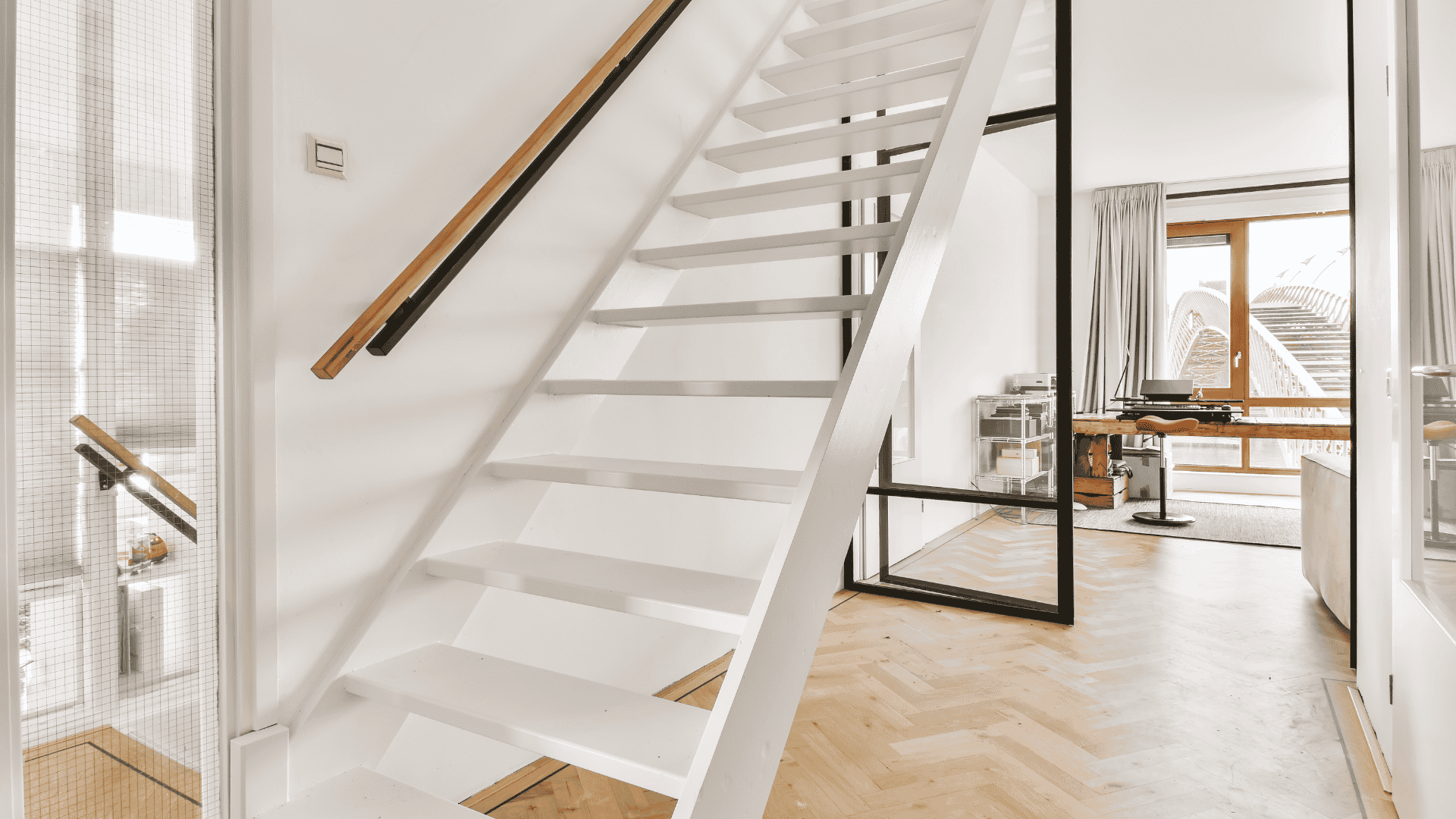
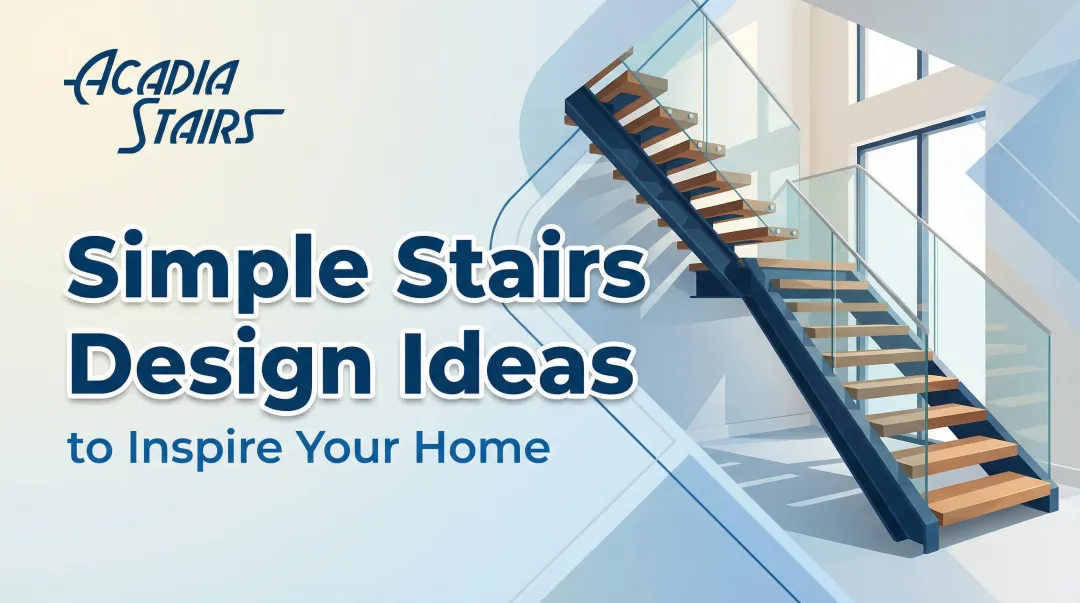
Open staircases are defined by the absence of risers(the vertical sections between steps), which allows light and sightlines to pass through. This design gives a lighter, more elegant look while fitting naturally with the rest of your interior.
Key Benefits in modern home design:
Maximizes Light Flow: Open risers allow natural light to reach lower floors, reducing reliance on artificial lighting during the day.
Creates a Sense of Space: By eliminating visual barriers, open staircases make rooms feel larger and less cluttered.
Enhances Interior Continuity: Open designs visually connect floors, improving flow and cohesion in open-plan layouts.
Acts as a Design Feature: They can become a central architectural element, highlighting materials, finishes, or unique design details.
Supports Practical Functionality: Beyond looks, open staircases improve movement between floors and can simplify cleaning and maintenance.
Influences Home Performance Metrics: Better light distribution can reduce energy costs, while careful design can minimize obstructions, improving circulation and usability.
Material Choices That Define Modern Open Staircases
The material of your staircase plays a critical role in both durability and design impact. Selecting the right combination of materials can increase longevity, lower maintenance, and help your staircase complement your interior.
Below are key material categories often used in modern open staircases.
Steel and Metal Options
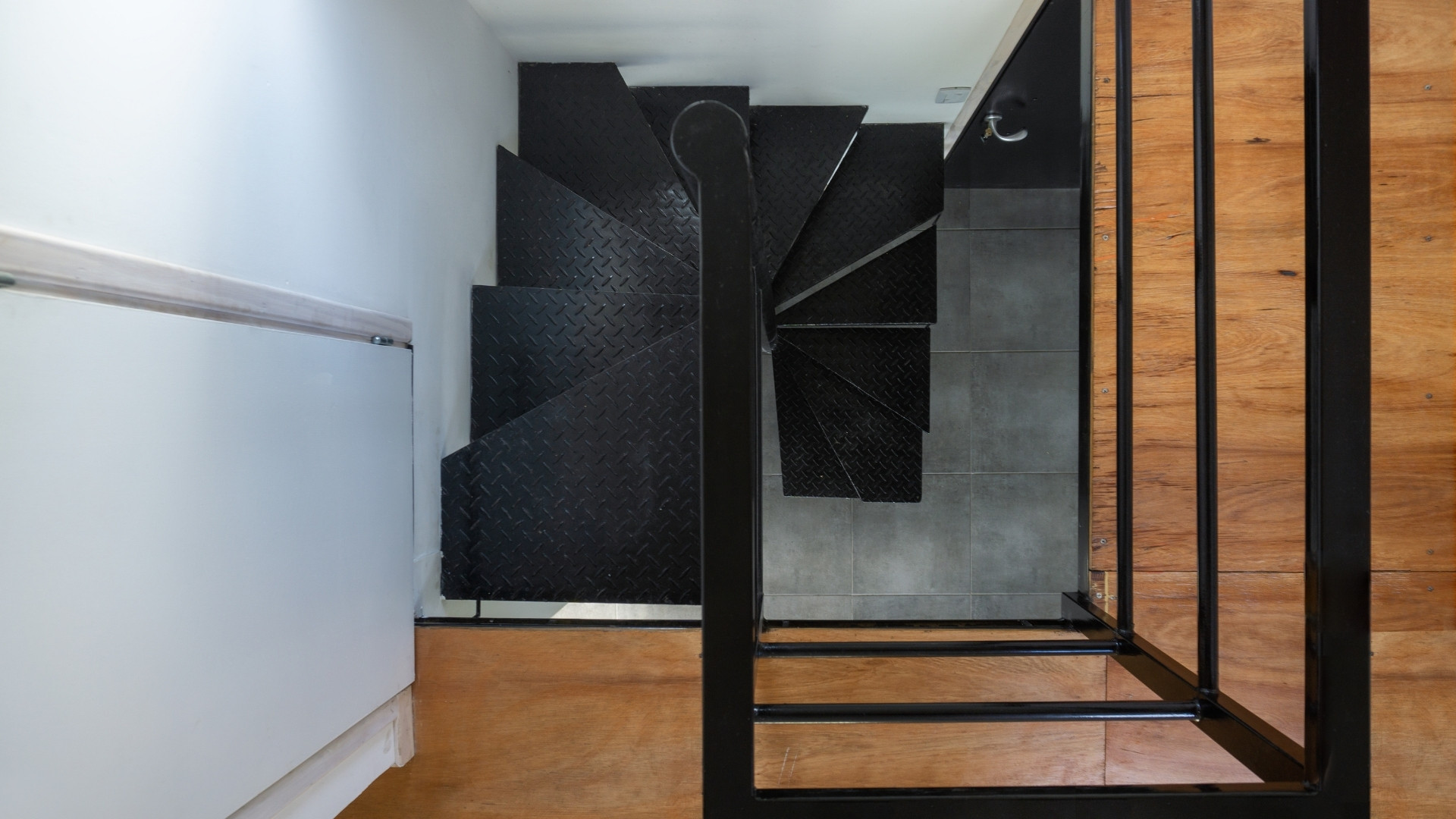
Steel and other metals are popular for modern staircases because of their strength and ability to support minimalist designs. Open staircases with steel stringers and metal treads provide strong support while keeping a sleek appearance. They can handle heavier foot traffic and are ideal for homes that value long-term durability.
Benefits for homeowners and builders:
Supports thinner, cleaner profiles without compromising safety.
Reduces maintenance compared to some hardwood options.
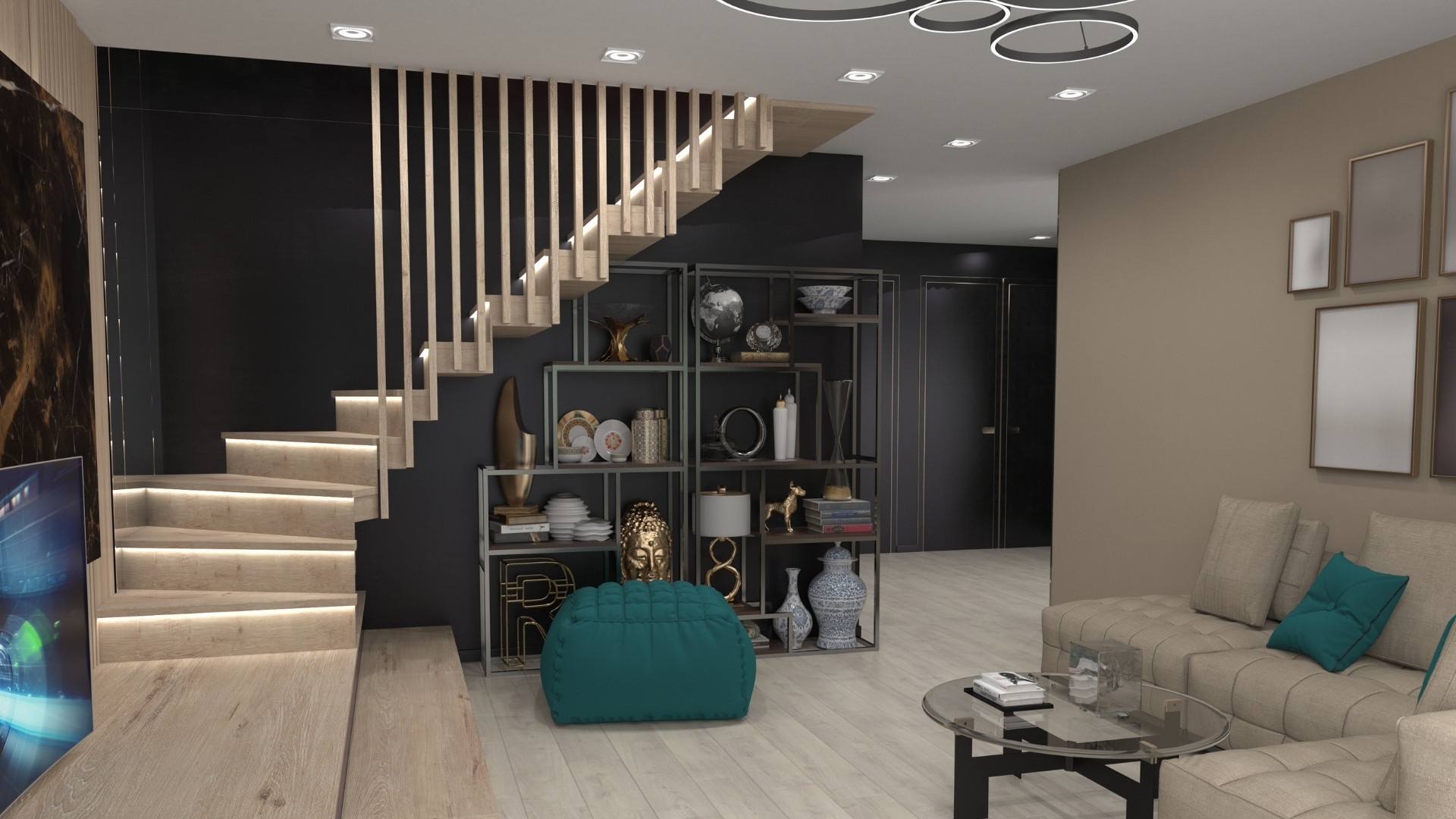
Allows for additional features like LED integration for lighting.
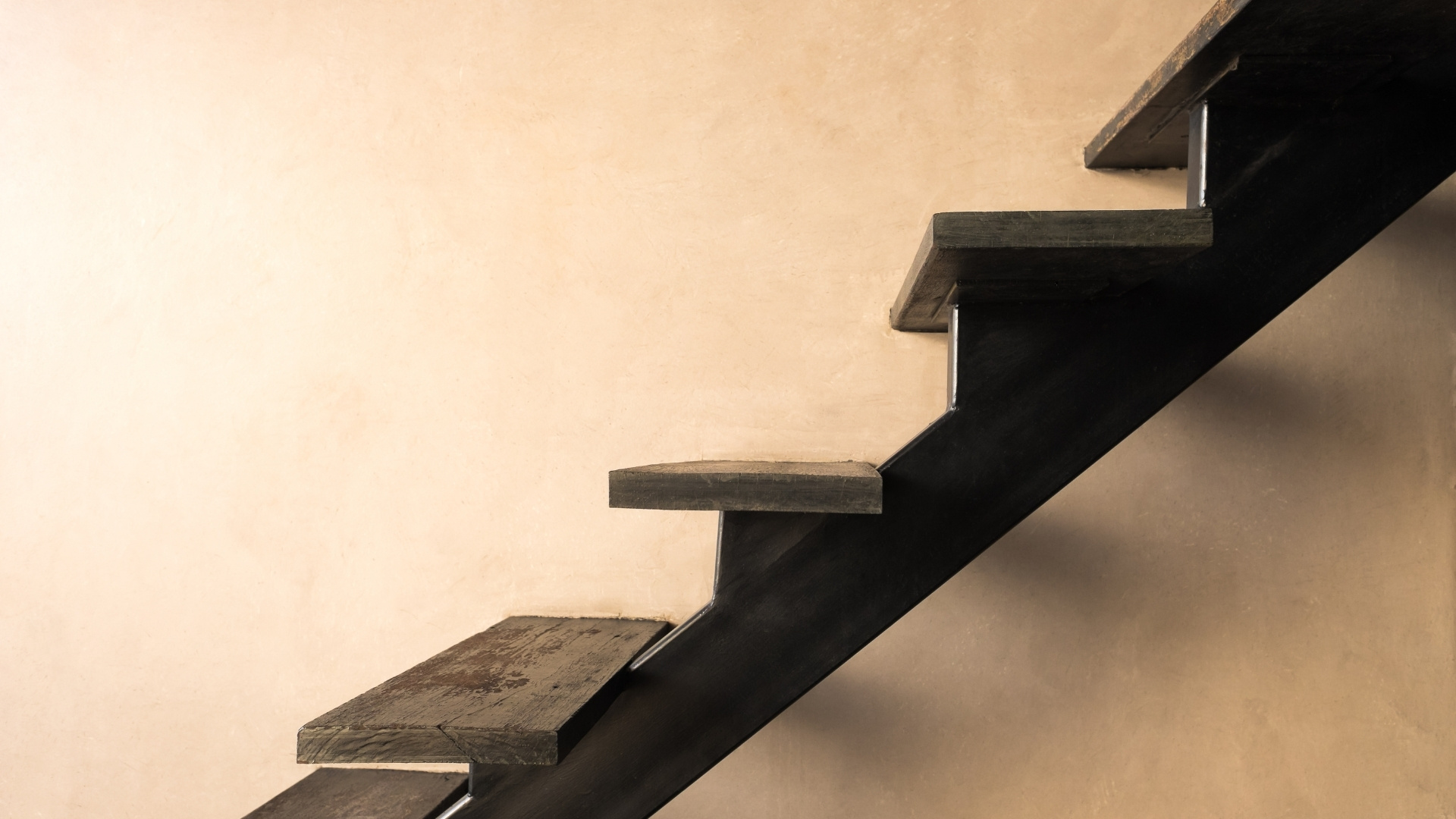
Wood brings warmth and versatility. Hardwood treads, such as oak or maple, last long and allow for finishes that match your interior. Wood is ideal for clients who want a natural, tactile feel, whether for a residential or commercial project.
Key considerations:
Proper sealing and finishing can reduce wear and tear.
Wood treads can support LED integration for improved visibility.
Maintenance impacts cost per unit and longevity, which are important when evaluating ROI on materials.
Glass Elements
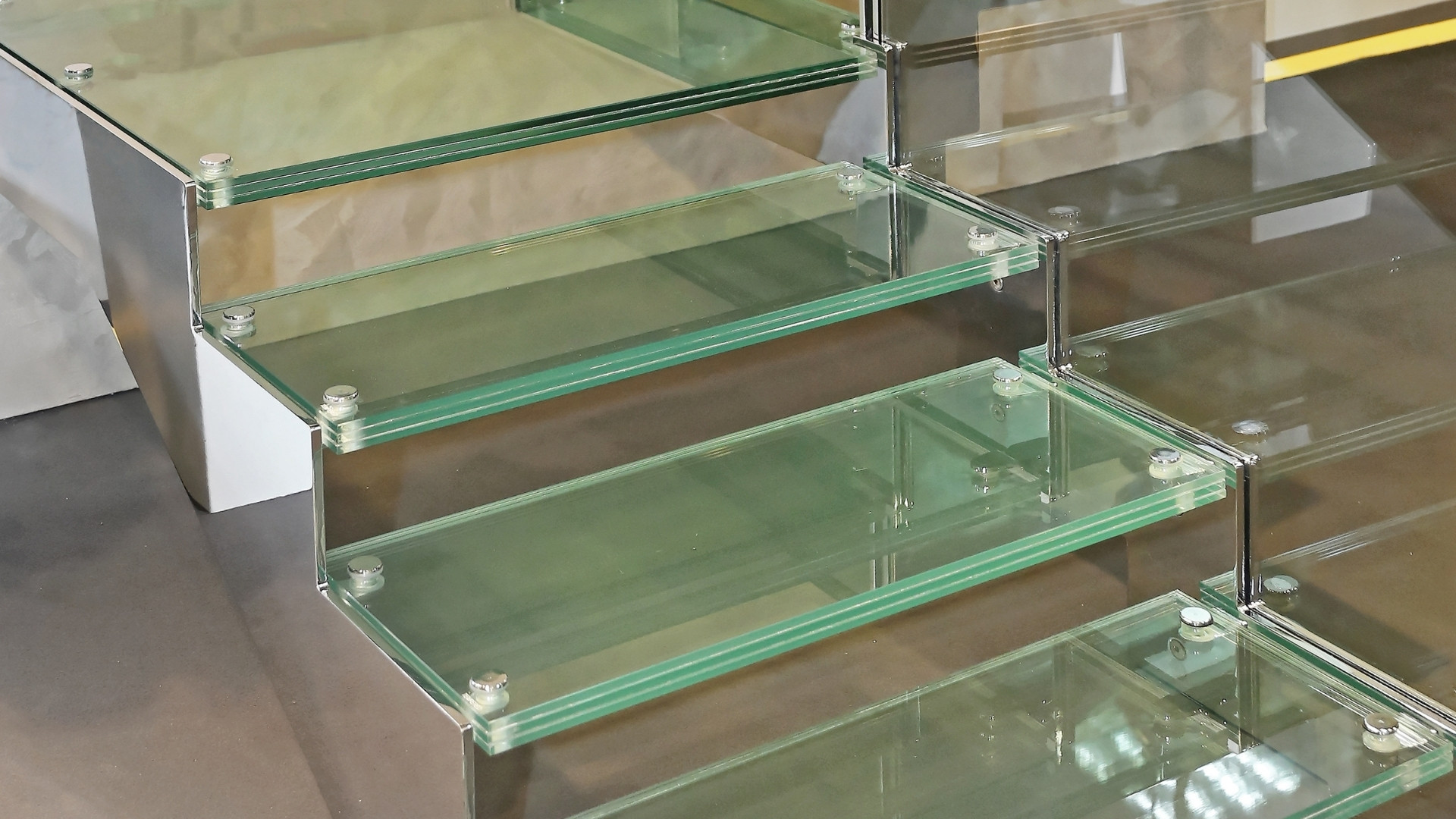
Incorporating glass, particularly in balustrades or side panels, opens up the space visually. Glass panels maintain safety without blocking light or views. Tempered or laminated glass works best for durability and code compliance.
Why it matters:
Enhances natural light penetration.
Creates a visual sense of more space.
Works well in combination with wood or steel for a contemporary aesthetic.
Popular Open Staircase Design Ideas for Modern Homes
Open staircases work best when the design fits how the space is used, how people move through it, and what the structure can support. The ideas below focus on keeping spaces visually open, practical use of floor area, and reliable long-term performance.
Floating Open Staircases
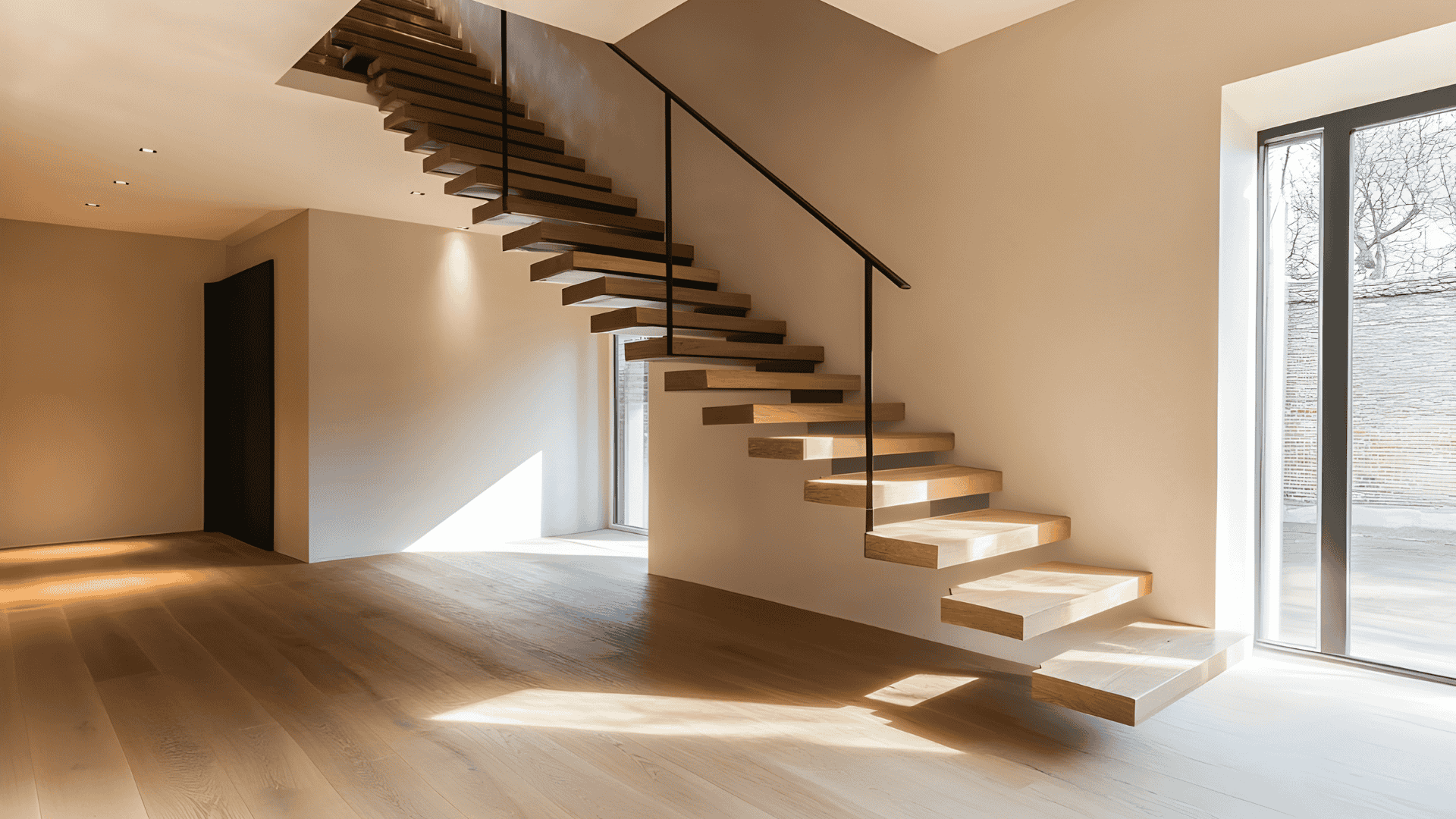
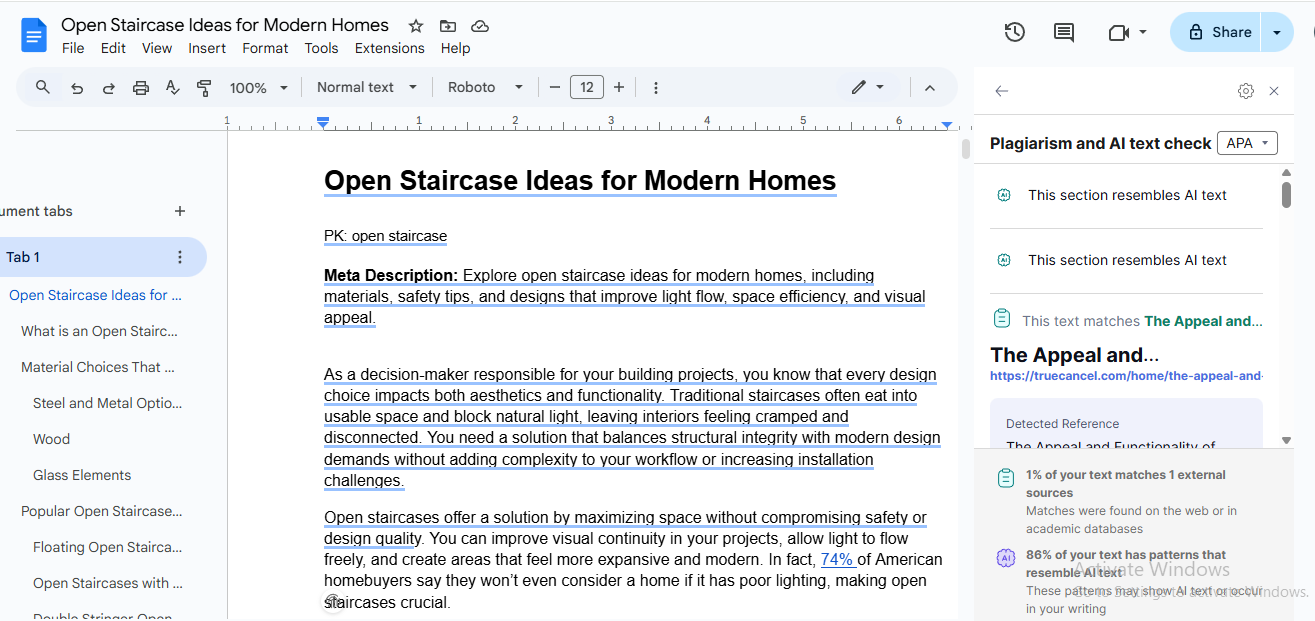
Floating stairs appear to “hover” without visible supports and are usually anchored to a wall or central stringer. This design helps the space feel larger and allows light to move freely.
Why homeowners and contractors choose this design:
Visual lightness: Open risers and hidden supports reduce visual bulk in living areas.
Better light flow: Allows natural and artificial light to pass through uninterrupted.
Clean layout integration: Works well in open-plan living rooms and entryways.
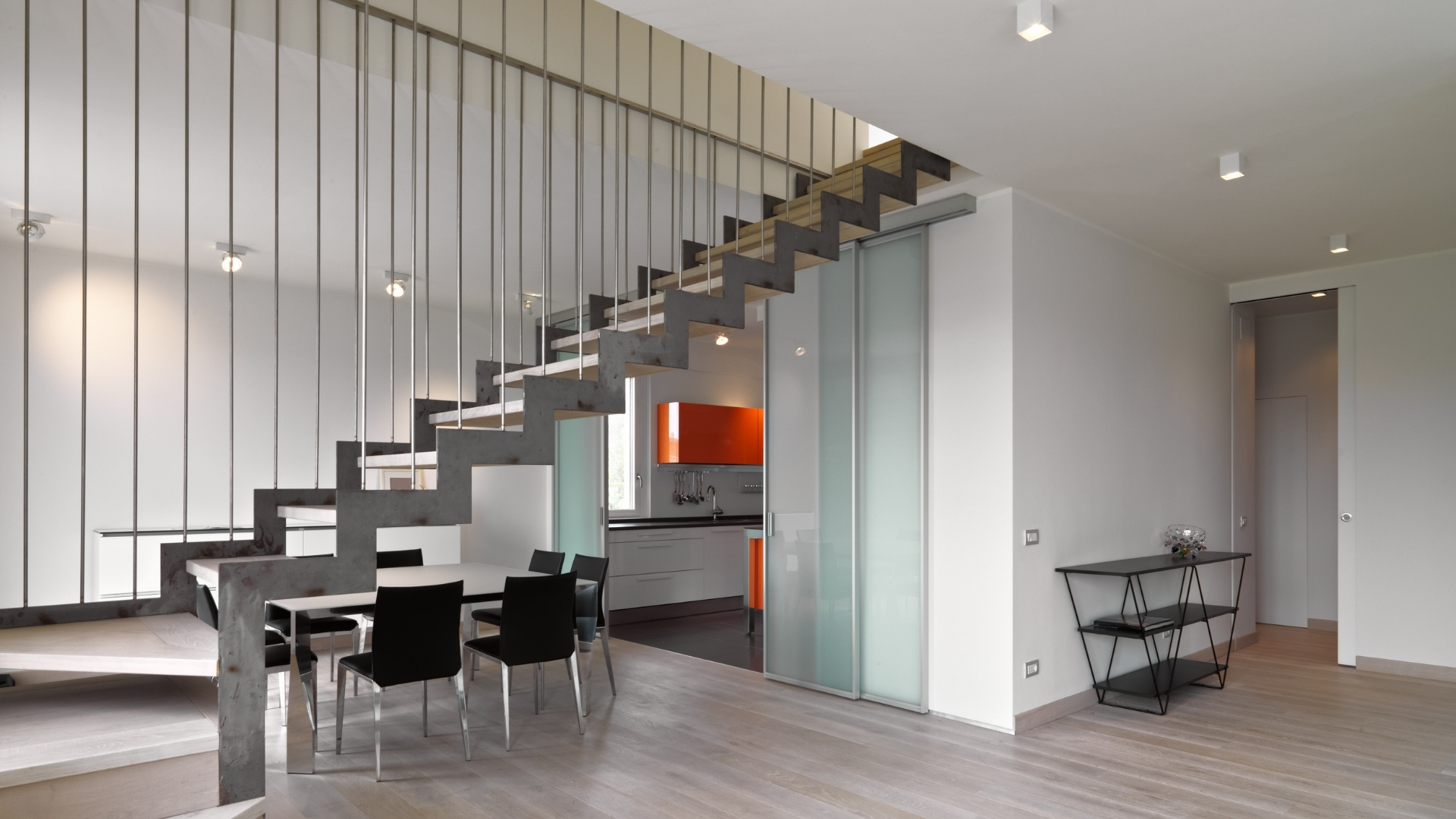
A mono stringer staircase uses a single steel beam running down the centre, with treads fixed on both sides. It keeps the space open while offering clear structural support.
What makes it practical:
Structural efficiency: Central load-bearing support simplifies engineering.
Design flexibility: Compatible with wood, metal, or composite treads.
Controlled openness: Maintains open risers without relying on a fully floating build.
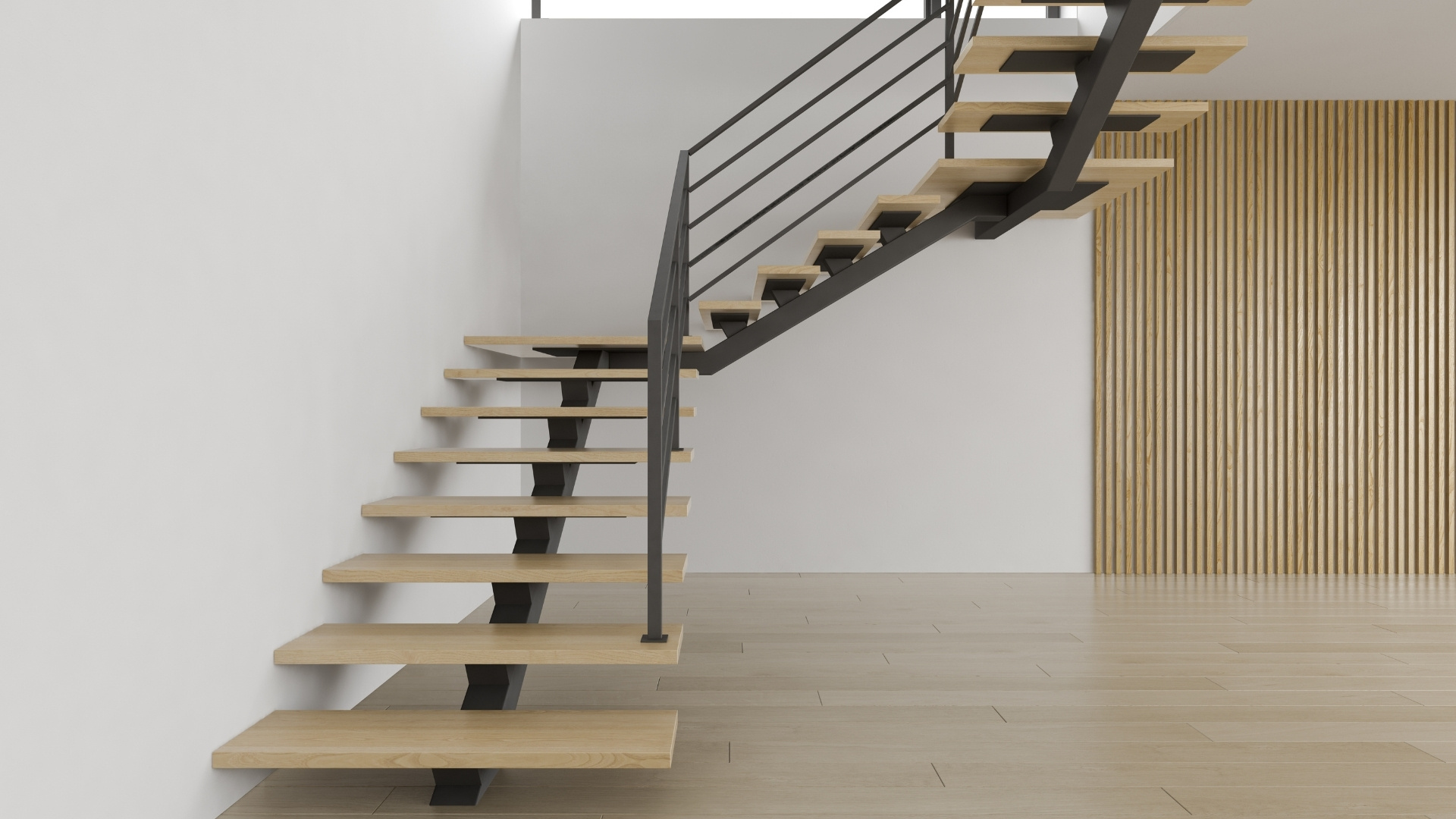
Double stringer designs place structural beams on both sides of the staircase, leaving the risers open while clearly outlining the stair shape.
Why it works well:
Improved stability perception: Side supports feel more secure underfoot.
Design symmetry: Creates a balanced, architectural look.
Material versatility: Allows integration of metal frames with wooden or stone treads.
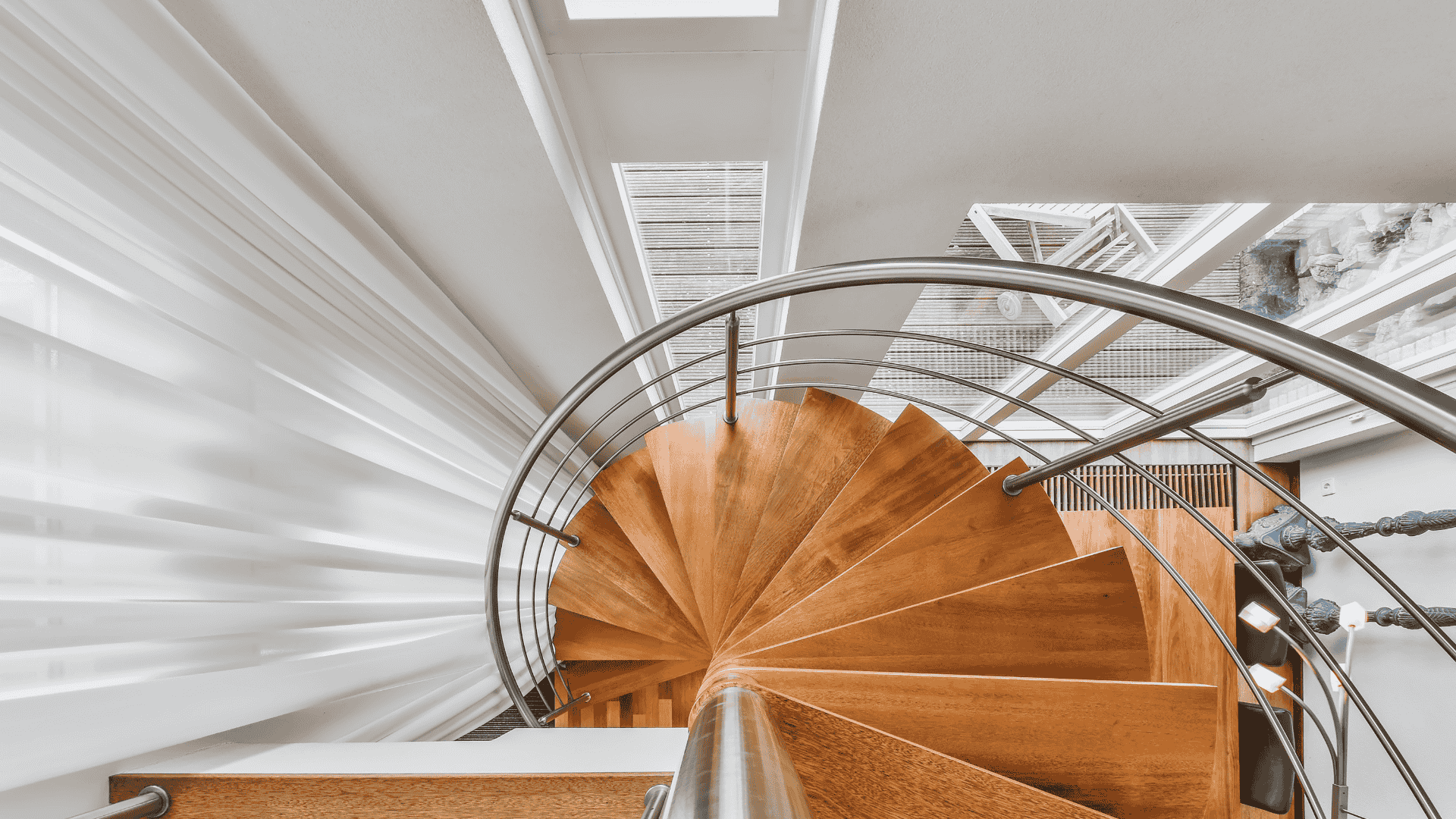
Open spiral staircases wrap around a central column while maintaining open risers. They are ideal for compact spaces and loft-style homes.
Key advantages:
Small footprint: Requires significantly less floor area than straight stairs.
Strong visual identity: Curved geometry adds movement to modern interiors.
Vertical efficiency: Connects floors where horizontal space is limited.
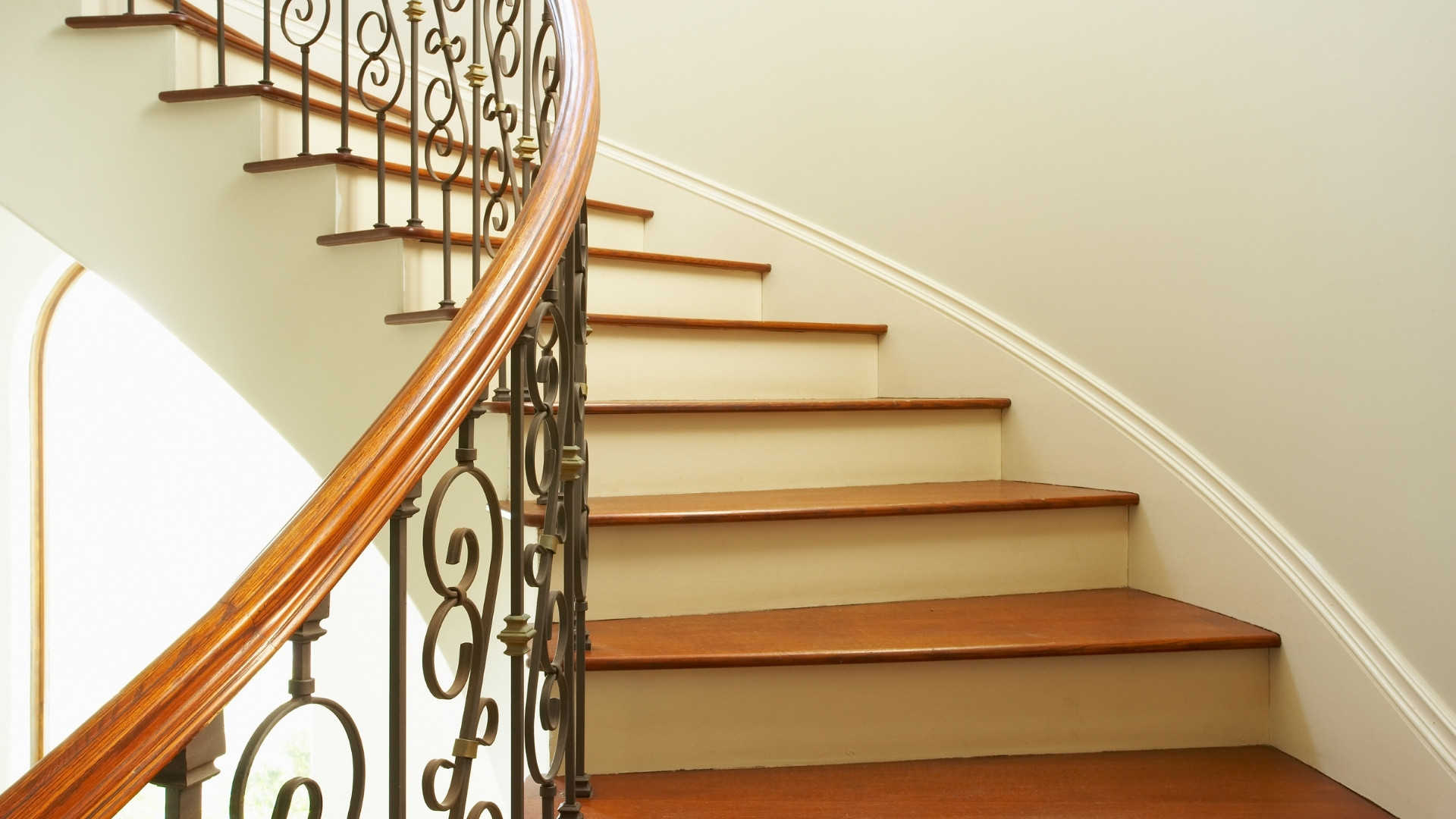
Helical staircases curve smoothly without a central column, creating a smooth flow from one level to another. Open risers keep the design light despite the scale.
Why this design stands out:
Smooth circulation: Gentle curves improve walking comfort.
High visual impact: Acts as a centerpiece in luxury interiors.
Custom geometry: Designed specifically to fit the architectural layout.
Open Riser Staircases with Glass Railings
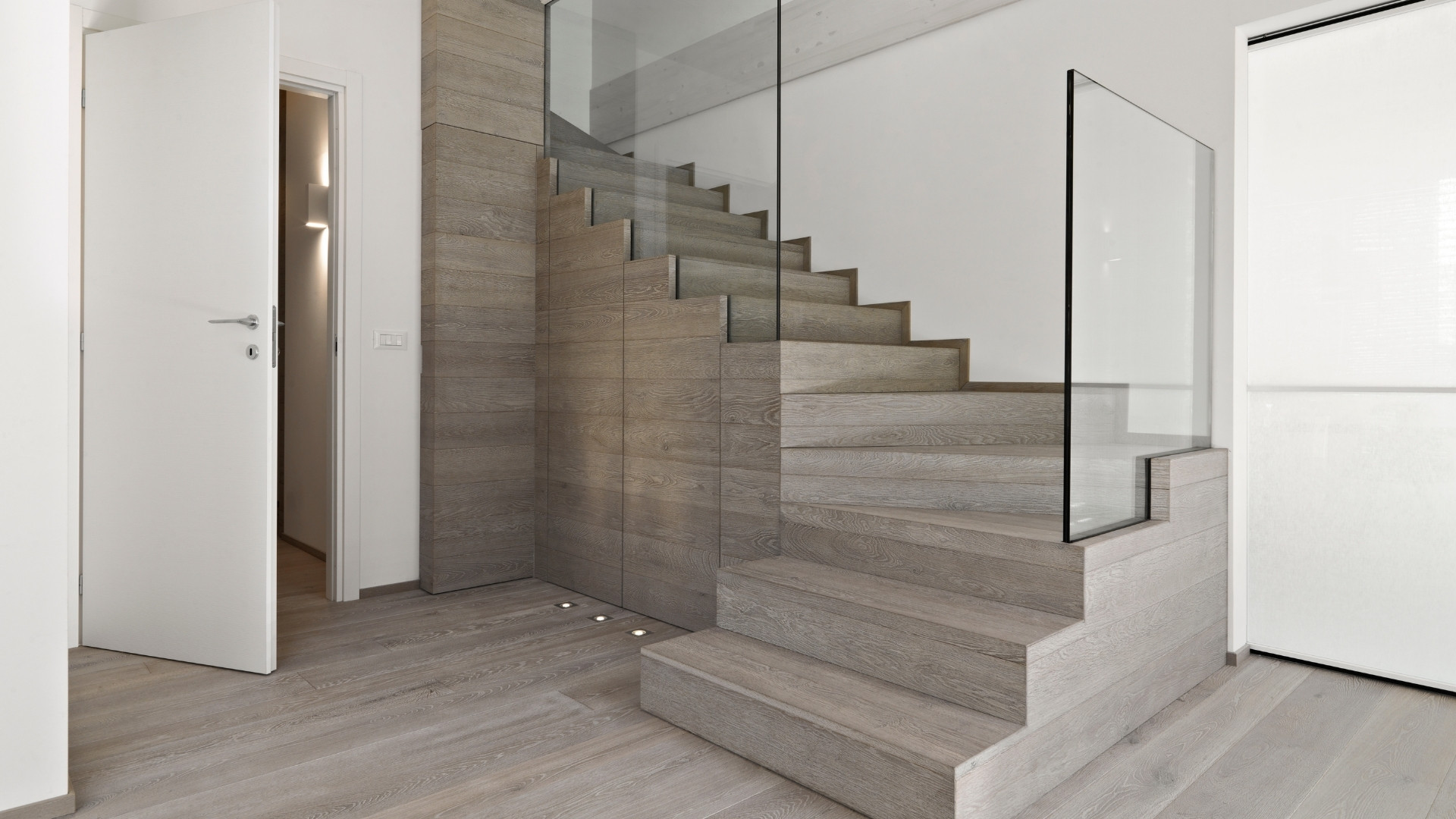
Glass railings paired with open risers keep spaces visually open while still meeting safety requirements.
Functional benefits:
Uninterrupted sightlines: Maintains openness across floors.
Light distribution: Helps daylight reach deeper into the home.
Low visual noise: Keeps the focus on architecture, not barriers.
Metal Open Staircases with Industrial Detailing
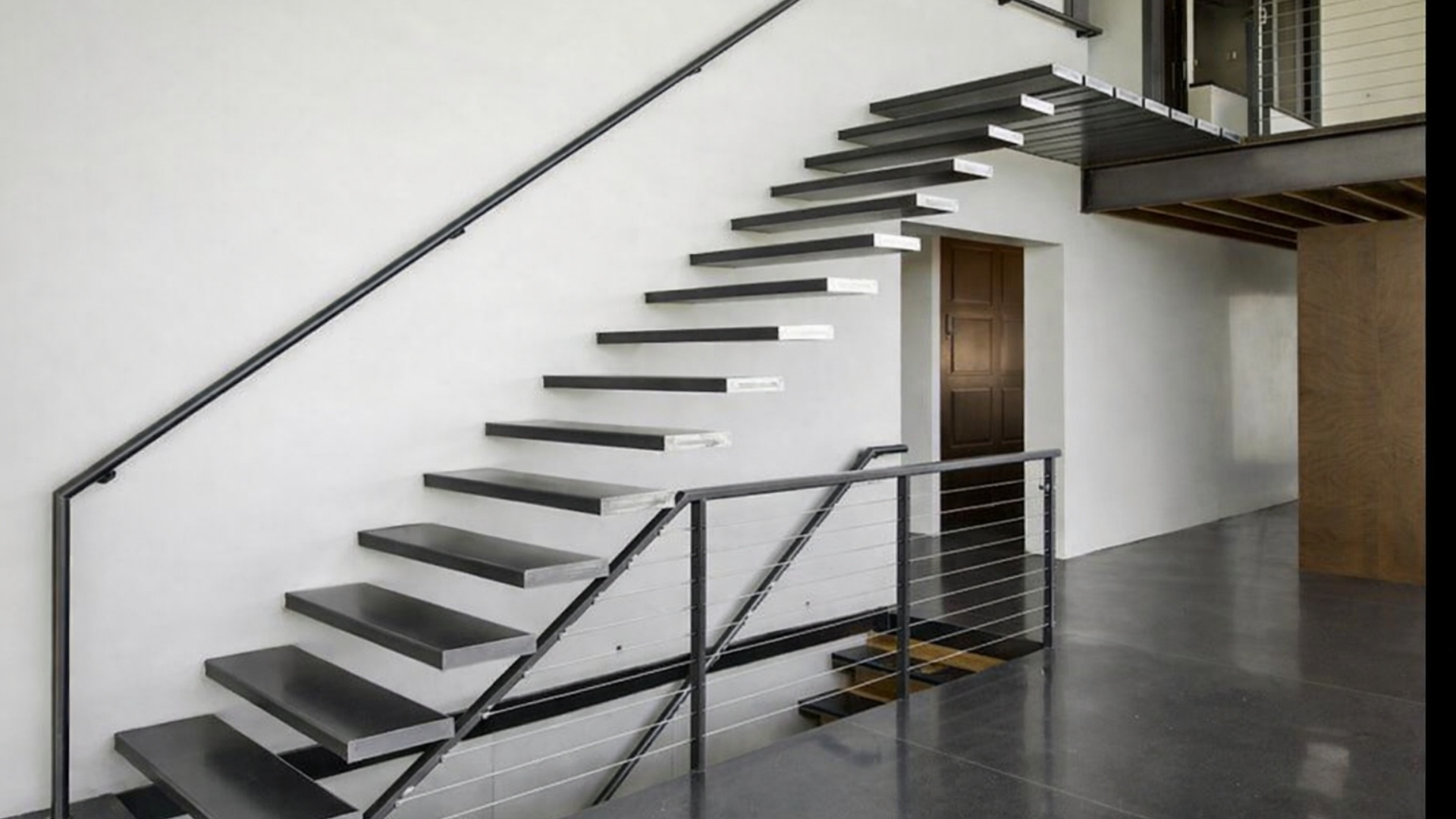
Metal staircases with exposed welds, steel treads, or diamond plates bring in an industrial-modern look while retaining open construction.
Why this design works:
Material durability: Steel handles high foot traffic with minimal wear.
Low maintenance: Suitable for long-term use without frequent refinishing.
Consistent performance: Maintains tread stability and alignment over time.
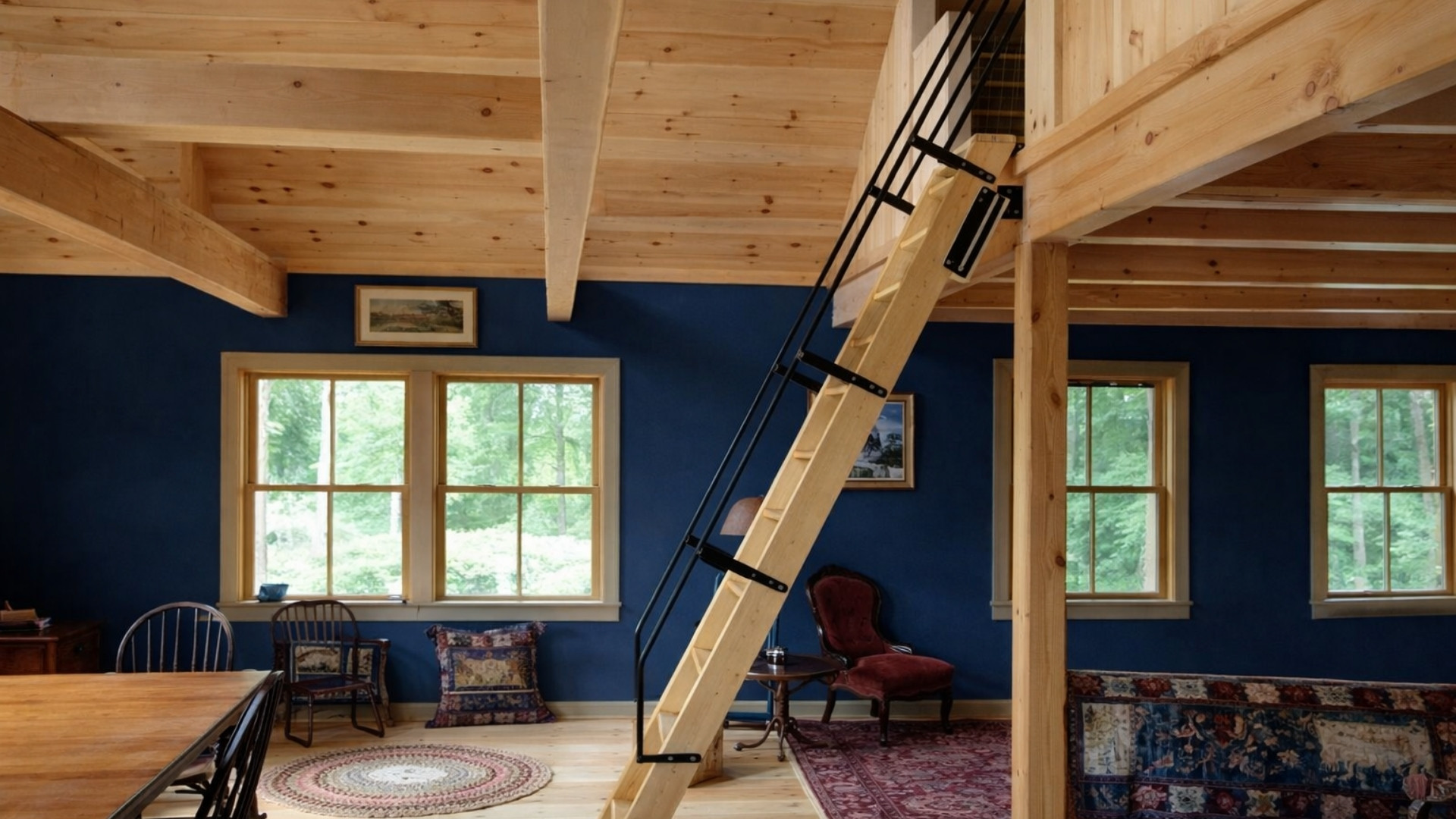
Ship ladders are steep, space-saving stair solutions with open risers and compact tread depth. They are built for function rather than visual appeal.
Where they add value:
Maximum space recovery: Uses minimal floor area.
Controlled access: Ideal for low-frequency movement.
Structural simplicity: Often paired with sliding or wall-mounted brackets.
Builders, contractors, and homeowners seeking complex designs can consult Acadia Stairs for fully customized staircase solutions that align with both aesthetics and structural requirements.
Safety, Building Codes, and Practical Considerations for Open Staircases
While open staircases are visually appealing, they must meet safety and building code requirements. Following these rules keeps everyone safe and avoids legal issues.
Key considerations include:
Riser Gap Requirements: Building codes limit the space between treads to prevent falls; following these limits keeps stair use safe for all ages.
Tread Depth and Width: Adequate tread size supports solid footing and helps when carrying tools, furniture, or equipment up and down stairs.
Load Capacity Considerations: Make sure treads and stringers support expected loads without bending, especially in homes with heavy traffic.
Handrails and Balustrades: Strong, code-compliant railings are essential for open designs. Materials can be steel, wood, or glass, but must meet height and spacing requirements.
Slip-Resistant Surfaces: Finishes on wood, metal, or composite treads should help prevent slips in both dry and transitional indoor/outdoor conditions
Edge Visibility: Stair edges must be clearly visible to reduce missteps; integrated lighting or contrasting finishes help without adding clutter.
Noise and Vibration Control: Proper fastening and material choices can reduce squeaks and vibration, keeping staircase quality high.
Local Code Compliance: Stair rules (spacing, railing height, load limits) vary by jurisdiction; planning early avoids costly redesigns.
Inspection Readiness: Detailing plans with code checkpoints makes permits and inspections smoother, reducing schedule risk.
How Acadia Stairs Helps You Design the Perfect Open Staircase?
Acadia Stairs combines over 40 years of experience with modern fabrication techniques to create staircases that balance style, functionality, and safety. It offers end-to-end support for residential and commercial projects, ensuring both form and function are optimized.
Here’s how we can support you:
Custom staircase engineering: Each staircase is built from detailed shop drawings, ensuring a precise fit within your floor openings, load requirements, and architectural constraints. We can provide a 3D rendering of your stair design before the shop drawing phase, helping you visualize the staircase in its environment.
Metal fabrication expertise: With a strong focus on steel and metal staircases, Acadia Stairs supports designs that hold up under daily use while allowing slim, modern profiles. We also provide metal fabrication services beyond staircases, including fences, gates, custom railings, and metal & wood finishes.
Design support for modern layouts: Open riser, floating, curved, and spiral staircases are planned to maintain sightlines, light flow, and smooth movement between floors.
Material and component selection: Guidance on tread materials, handrails, and railing systems helps balance appearance with grip, wear resistance, and ongoing maintenance needs.
Code-aware planning: Stair geometry, tread spacing, railing height, and safety gaps are designed to meet applicable building codes without compromising visual openness.
Collaboration with builders and fabricators: Acadia Stairs works closely with contractors, metal workers, and stair builders to reduce rework, avoid installation delays, and maintain project timelines.
By collaborating with Acadia Stairs, builders and homeowners can reduce project delays, minimize material waste, and improve overall build quality, critical KPIs for any construction project.
Conclusion
Open staircases offer a combination of style, space efficiency, and enhanced light flow, making them a central feature in modern homes. Prioritize high-quality materials, proper support, and compliance with building codes to ensure long-term performance.
When planning your staircase, consider floating, spiral, helical, or open riser designs depending on your space and style goals. Partnering with an experienced manufacturer like Acadia Stairs can simplify the design and installation process.
Contact us today to begin exploring open staircase ideas that fit your space and lifestyle.
FAQs
What color schemes pair well with open metal staircases for a sleek, modern vibe?
Neutral tones like white, grey, and black create a minimalist look, while deep blues or charcoal add sophistication. Wood accents or metallic finishes can warm the space and provide contrast, enhancing the staircase’s clean lines and modern appeal.
Are open staircases safe for homes with children or pets?
Open staircases can be safe with precautions like sturdy handrails, non-slip treads, and vertical balusters. For young children or pets, additional barriers or gates are recommended. Proper design ensures safety without compromising the staircase’s modern, open aesthetic.
How much does it cost to install an open staircase in a modern home?
Costs vary based on materials, design complexity, and location. On average, open staircases range from $5,000 to $25,000, with custom designs or premium materials raising the price. Metal and wood combinations are popular for a modern, cost-effective solution.
Can open staircases be retrofitted into existing homes during renovations?
Yes, open staircases can be added during renovations, but structural adjustments may be needed. Consider floor-to-floor height, load-bearing support, and railing requirements. A professional designer ensures the staircase integrates seamlessly with the existing layout and style.
What are the best lighting ideas to highlight an open staircase in modern architecture?
LED strip lights under treads, recessed wall lighting, and pendant fixtures can create dramatic effects. Layered lighting enhances safety, depth, and visual appeal, highlighting the staircase as a focal point in modern interiors.