When planning or upgrading a deck, one of the most overlooked challenges is designing stairs that are both functional and durable. Poorly selected materials can warp, splinter, or become slippery when wet, leading to safety hazards and frequent maintenance needs. As a procurement manager or operations leader, these issues can eat into your timelines, increase repair costs, and create unnecessary risks for your team or clients.
Choosing the right wood for outdoor stairs can directly impact these outcomes. In fact, the global wooden decking market is projected to reach USD 11.96 billion by 2032, at a CAGR of 3.99%. Knowing which wood performs best for outdoor stairs helps resist moisture, insects, and heavy foot traffic while maintaining structural integrity and a professional finish.
This guide explores design ideas, wood types, layouts, maintenance strategies, and how professional customization can make your deck stairs safer and more valuable over time.
At a Glance:
Wooden outdoor stairs support safe deck access while maintaining durability and a cohesive outdoor look
Stair layout, dimensions, and material selection directly affect safety, stability, and long-term maintenance needs.
Straight, L-shaped, floating, curved, wide, and textured stair designs address different space, traffic, and usability requirements.
The best wood for outdoor stairs balances moisture resistance, load capacity, wear tolerance, and climate exposure.
Routine cleaning, sealing, drainage control, and surface grip treatments reduce wear and safety risks over time.
Why Wooden Outdoor Stairs Are a Smart Choice for Decks?
Wood has been a traditional choice for exterior stairs because it balances practicality with natural aesthetics. The right wood option supports load‑bearing requirements while giving outdoor spaces a warm, cohesive look.
Key benefits include:
Versatile design options: Wood can be shaped into straight, curved, or floating stairs, making it easy to fit into different deck layouts.
Strong load-bearing capability: Choosing the right hardwood or treated lumber keeps stairs sturdy even with lots of use, supporting safety and reducing repairs.
Durability under weather conditions: Treated or naturally rot-resistant wood resists moisture, UV exposure, and pests, minimizing maintenance interventions.
Aesthetic appeal: Wood naturally complements decks, creating visually cohesive outdoor spaces that make your property look great.
Integration with other features: Wooden stairs easily accommodate railings, lighting, or planters, improving usability and overall deck functionality.
Supports long-term performance goals: Predictable wear patterns and consistent material behavior help reduce downtime, unexpected replacements, and operational costs over time.
Key Factors to Consider Before Choosing a Wooden Deck Stair Design
Selecting the right wooden deck stair design requires careful planning to ensure safety, durability, and long-term value. Several key considerations can help you make informed decisions:
Layout and available space: Stair configuration should match deck height and surrounding clearance. Straight stairs suit open layouts, while L-shaped or switchback designs help manage tight footprints without restricting movement.
Safety and code compliance: Riser height, tread depth, and railing placement must meet local building codes. Consistent dimensions and slip-resistant surfaces reduce fall risk during daily use and wet conditions.
Structural strength and load handling: Outdoor stairs must support frequent foot traffic and occasional heavy loads. Properly sized stringers and dense wood species help maintain stability and keep repairs to a minimum.
Material Compatibility: Ensure your chosen wood aligns with your deck material and environment. Proper material selection reduces maintenance and extends the life of the stairs.
Aesthetic Integration: Think about how the stairs match your deck and landscape. The right design can make your property look great and create a smooth flow between outdoor spaces.
Considering these aspects ensures you invest in a solution that supports your outdoor space and reduces the chances of costly repairs or adjustments. Acadia Stairs supports contractors, architects and homeowners by reducing on-site adjustments and design guesswork.
Popular Wooden Outdoor Stair Design Ideas for Modern Decks
Choosing the right design for your wooden outdoor stairs can totally transform your deck into a welcoming and practical outdoor space. Here are several contemporary and user-friendly design ideas:
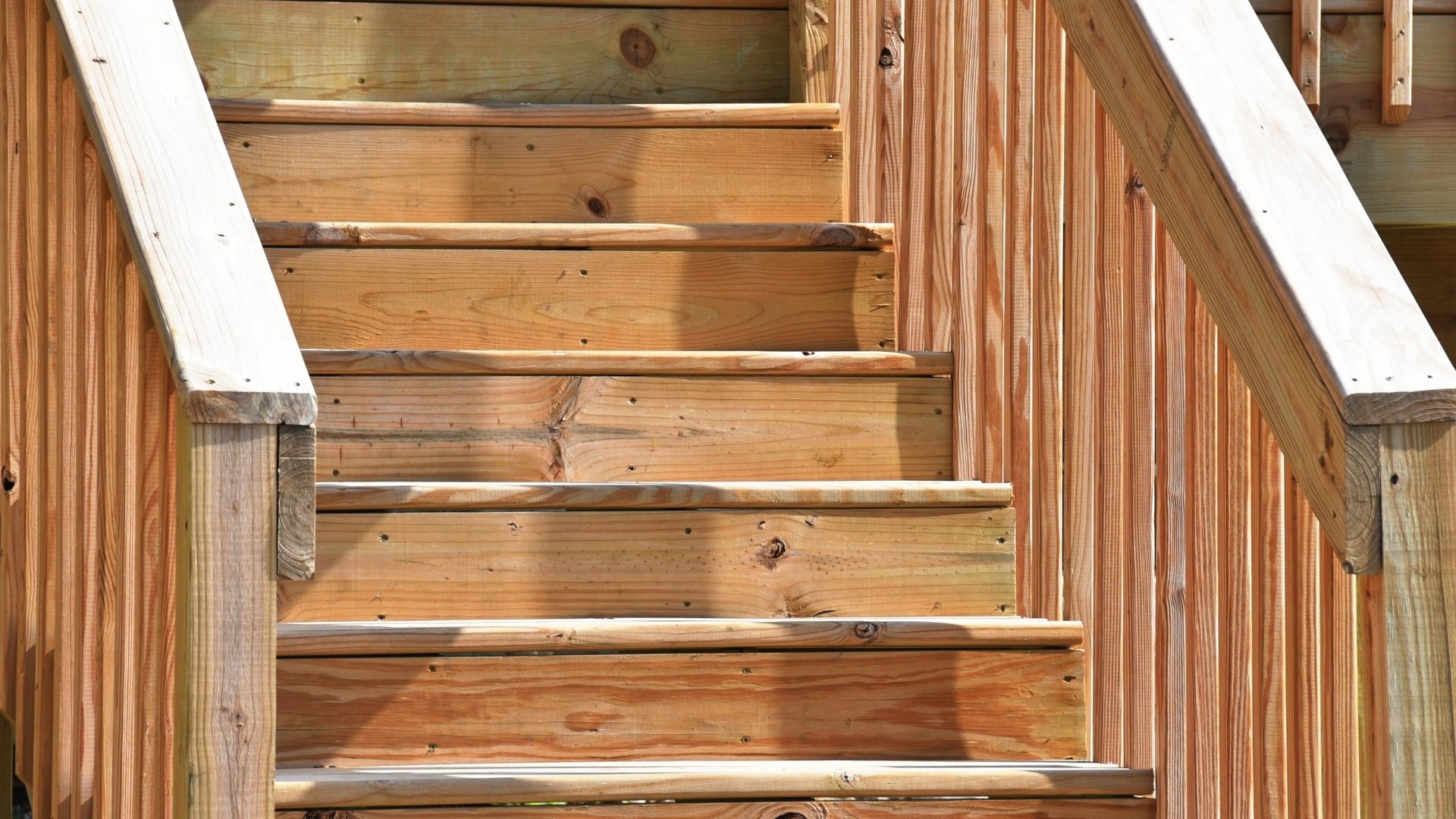
Classic straight stairs remain one of the most reliable choices for decks with clear ground access. Their simple layout makes moving up and down easy and is much easier to plan, install, and keep in good shape over time.
Straight stairs also make life easier during installation and when it’s time to replace treads or railings.
Best suited for:
Single-level decks
Direct backyard or patio access
Projects prioritizing predictable build timelines
L-Shaped and U-Shaped Stairs
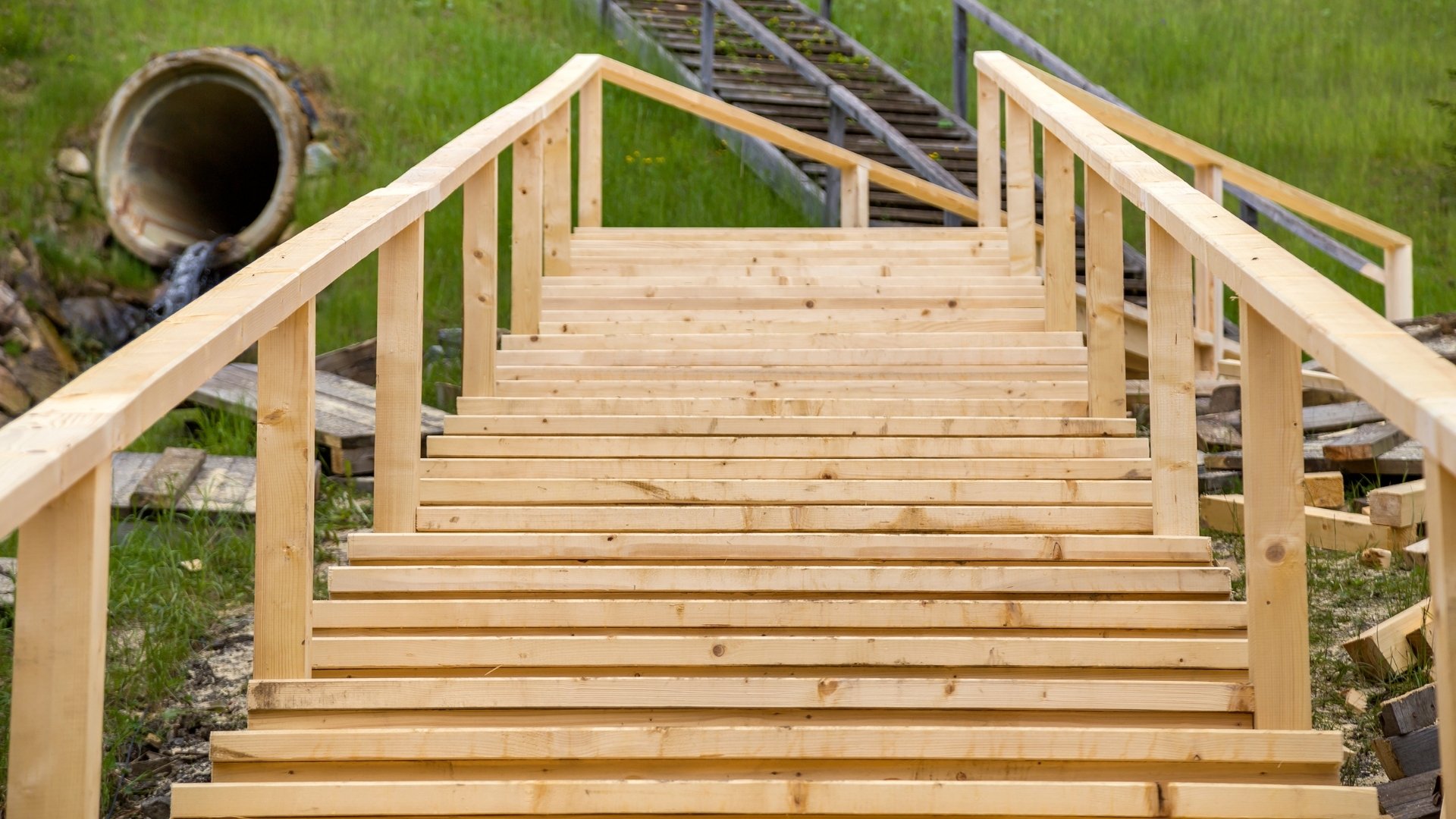
L-shaped and U-shaped stairs work well when deck height or lot space limits a straight stair run. Adding landings makes your stairs safer and keeps traffic moving smoothly.
These shapes also cut down on bulky looks and spread weight evenly, helping your deck stay stable over time.
Best suited for:
Taller decks
Side-yard or corner access
Layouts requiring directional changes
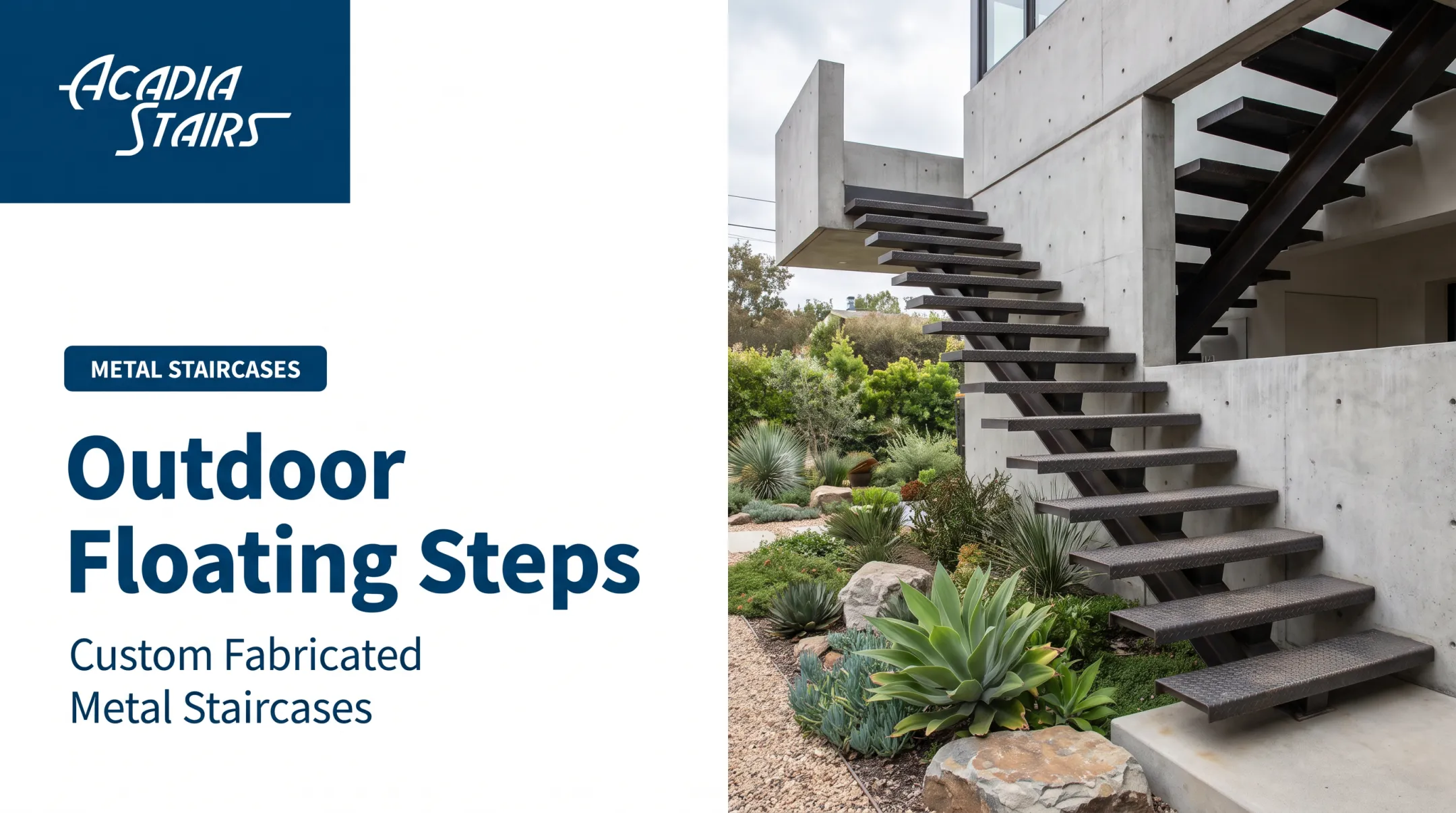
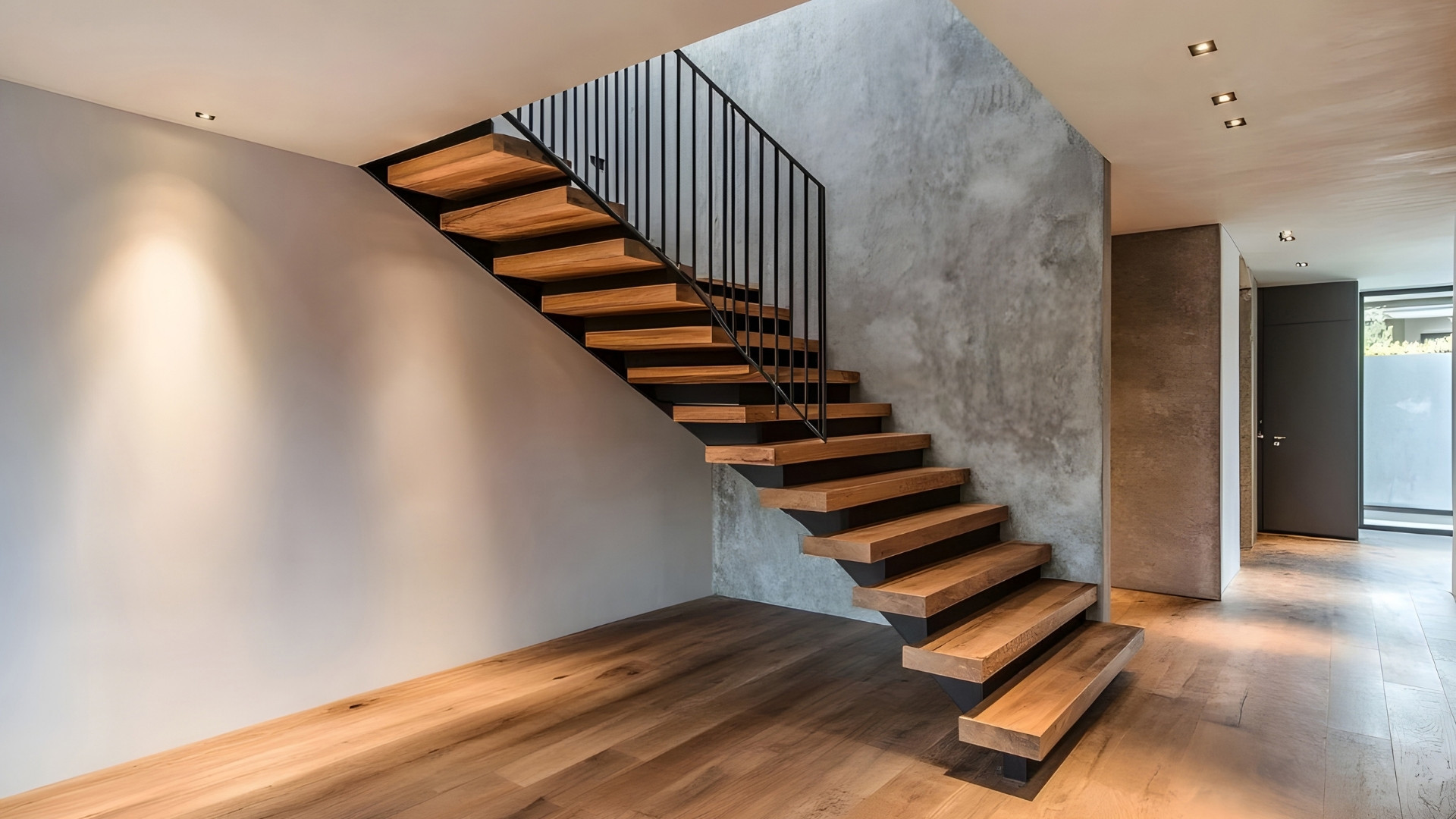
Floating and Open-Riser Stairs

Floating and open-riser stairs are perfect for modern decks that need a light and airy feel. Removing closed risers lets sunlight and air pass through, so your deck doesn’t feel boxed in.
Open-riser stairs need careful spacing and tread depth to stay safe, but they keep your deck looking sleek and modern.
Best suited for:
Contemporary deck designs
Homes with strong sightline priorities
Projects emphasizing architectural detail
Spiral and Curved Stairs
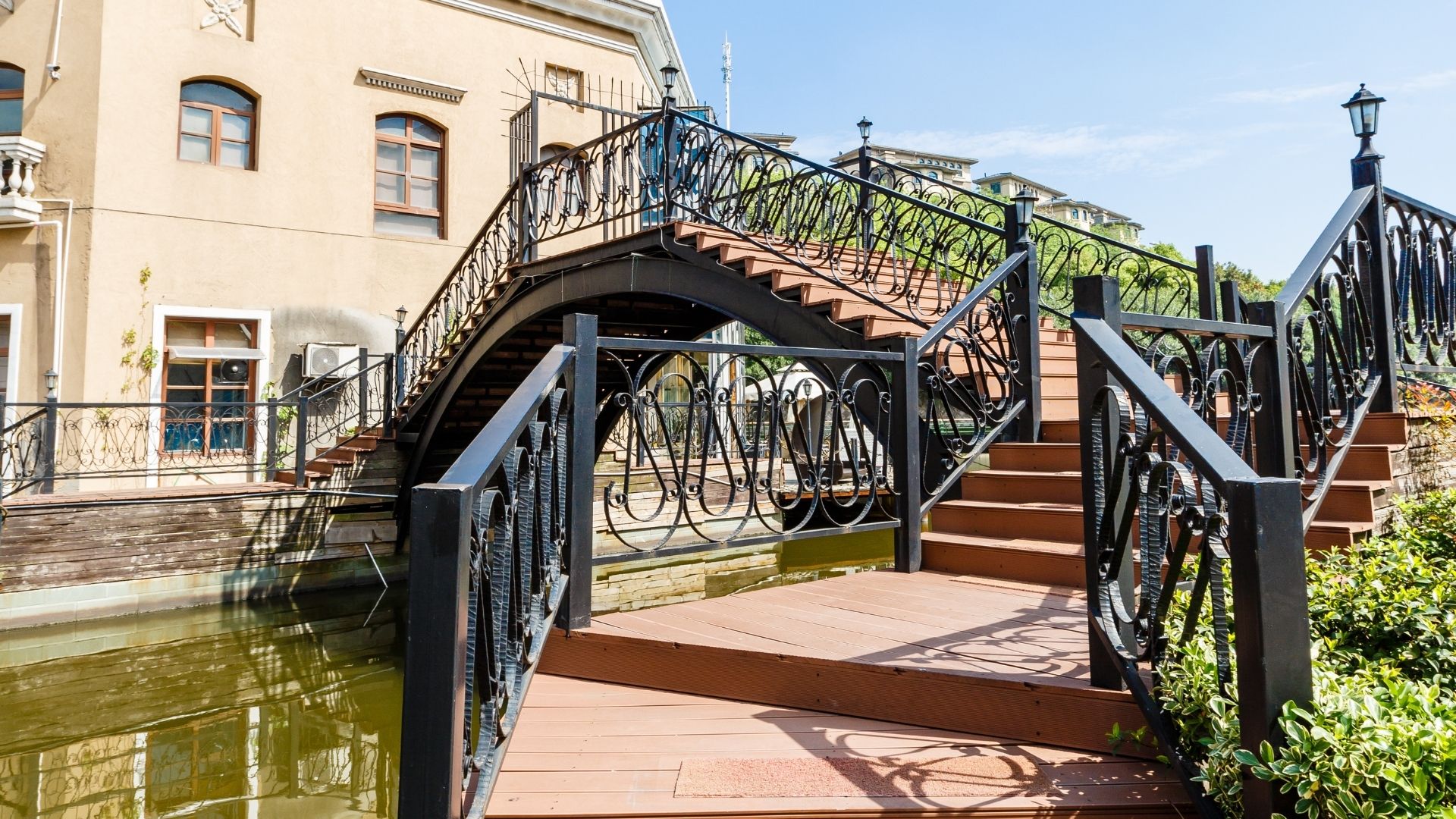
Spiral and curved wooden stairs shine when you want both style and space-saving. These stairs give access to elevated decks without eating up too much yard space.
They need careful planning and fabrication, but done right, they keep traffic flowing smoothly and don’t stress your deck edges.
Best suited for:
Small yards or limited footprints
Decks with multiple access constraints
Projects prioritizing space control
Wide Staircases with Integrated Lighting and Planters

Wide wooden stairs do more than get you from one level to another; they can serve as extra seating, create a transition zone, or act as a showpiece linking deck and yard.
Built-in lighting makes it easier to see at night, and planters help manage water around the stairs naturally.
Best suited for:
Large decks
Entertainment-focused outdoor spaces
Projects where stairs double as design features
Stacked or Cascading Stairs
Stacked or cascading stairs step down gradually instead of dropping straight to the ground. This makes tall decks feel less intimidating and keeps movement easy.
Shorter steps also put less stress on each tread, helping them last longer.
Best suited for:
Sloped yards
Multi-level outdoor areas
Decks blending into natural terrain
Weathered or Textured Wood Stairs
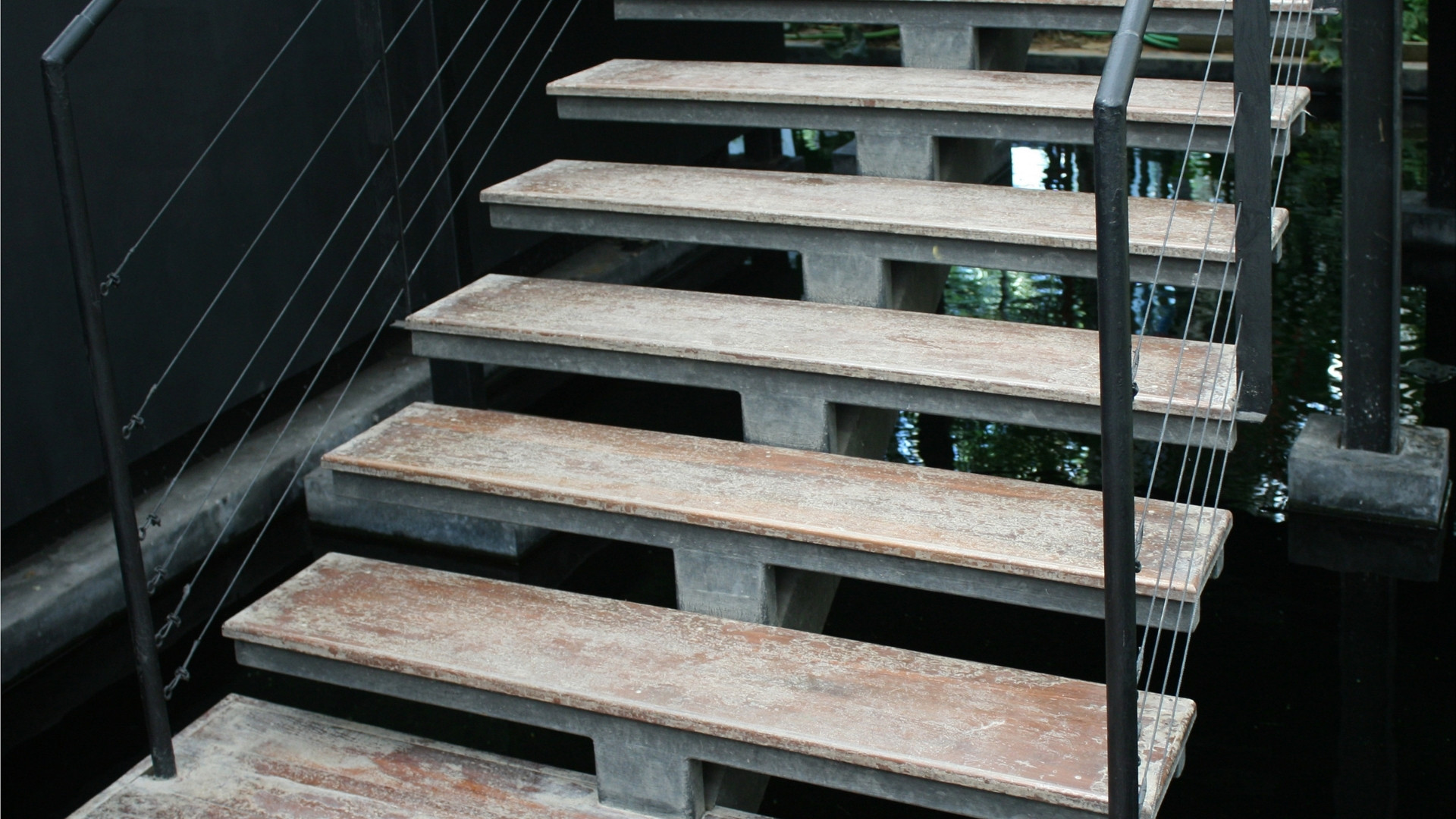
Weathered or textured wood looks good and performs well. Textured treads give extra grip in wet or icy conditions, helping prevent slips.
Pre-weathered finishes hide scratches and wear, so your stairs keep looking good without frequent refinishing.
Best suited for:
High-use decks
Areas exposed to rain or snow
Architects, homeowners and contractors seeking lower visual maintenance
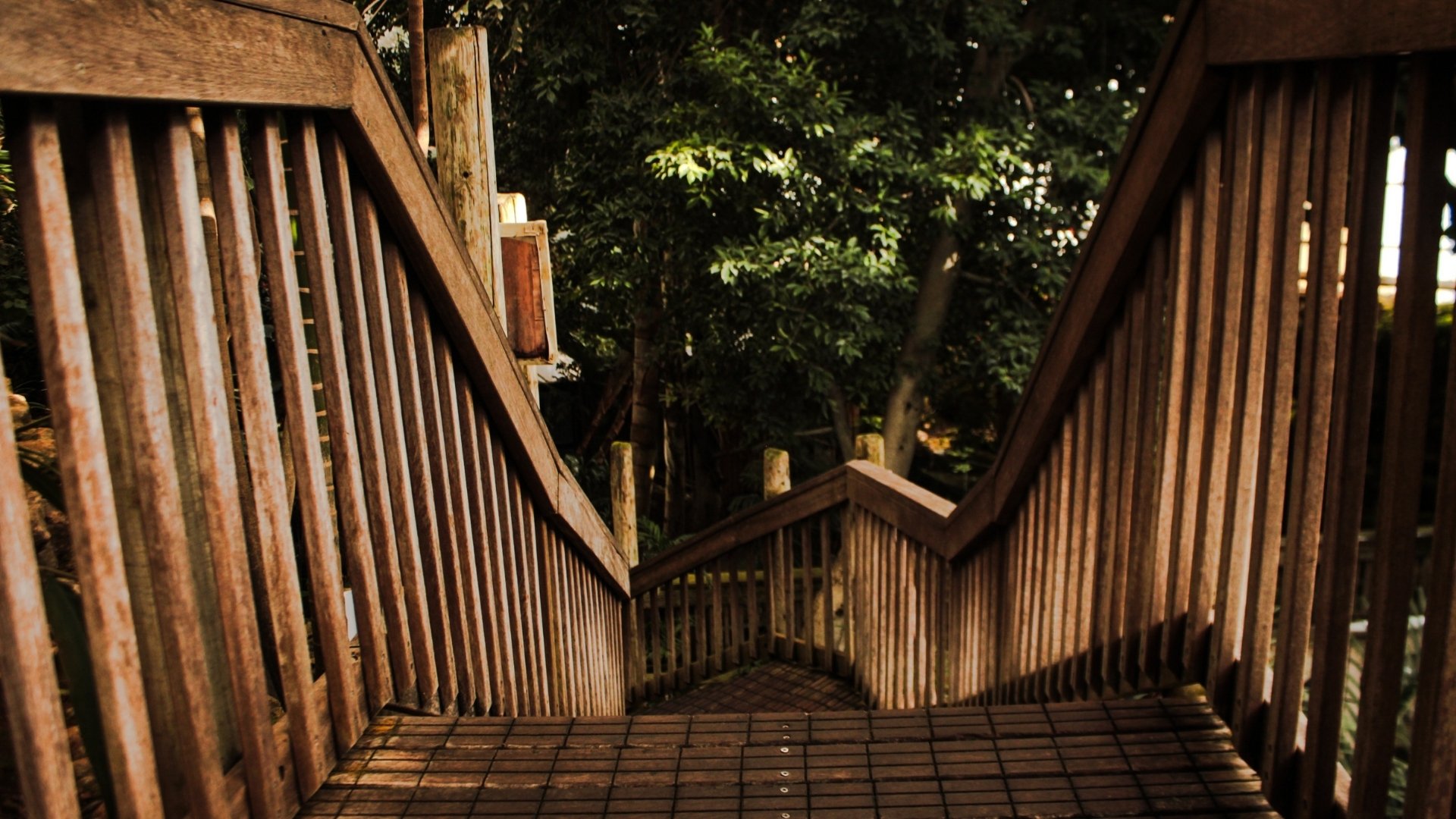
Creative Railings and Colors
Railings and finishes play a big role in safety and style. Contrasting colors make steps easier to see in shady spots.
Creative railing designs, like wood mixed with metal or cable systems, define edges without blocking views. Well-planned railings meet building codes while keeping your deck looking clean.
Best suited for:
Decks requiring added safety visibility
Modern or transitional designs
Projects balancing function and visual clarity
The right stair design can help prevent congestion, keep foot traffic predictable, and make your stairs last longer, all without adding maintenance headaches.
Wood Types That Work Best for Outdoor Deck Stairs
Selecting the best wood for outdoor stairs drives performance, maintenance effort, and safety outcomes. Wood species vary in density, resistance to insects, and decay resistance. Below are species commonly recommended for exterior stair applications.
Ipe (Brazilian Walnut)
Ipe is one of the densest and most weather‑resistant hardwoods around. Its tight grain and density help it resist wear, decay, and insect damage, which is perfect for outdoor stairs.
Key Characteristics:
High resistance to moisture cycling
Long service life with periodic sealing
Stable under heavy foot traffic
This wood performs exceptionally where stairs are exposed to sun, rain, and frequent use.
Teak
Teak contains natural oils that make it resistant to rot, decay, and pests. Its high tensile strength supports stair structures that see frequent movement and load.
Key Characteristics:
Natural moisture resistance
Lower frequency of reinforcements
Warm, premium appearance that ages gracefully
Teak is one of the premium options, often chosen where longevity is critical.
Mahogany
Mahogany offers a balance between durability and workability, making it suitable for custom stair designs that require precise fabrication.
Key Characteristics:
Handles outdoor exposure when properly sealed
More stable than many softwoods
Delivers a clean, uniform appearance
Mahogany works well for decks where appearance and consistent maintenance matter.
Western Red Cedar
Cedar offers excellent resistance to rot and insect damage without chemical treatment. Its lighter weight makes it easier to work with, though it’s softer than some hardwoods.
Key Characteristics:
Easier fabrication with standard tools
Natural decay resistance
Stability in varying climates
Cedar’s performance is suitable for moderate‑use decks where longevity and appearance matter.
Redwood
Redwood balances beauty with outdoor resilience. It resists decay and insects naturally, and its distinct grain enhances the stair appearance.
Key Characteristics:
Striking visual warmth
Durable without heavy maintenance
Weather tolerance suitable for many climates
When planning, consider availability and cost before choosing redwood.
Pressure‑Treated Lumber
Pressure‑treated wood isn’t naturally durable but gains resistance to rot and insects through preservative infusion. It’s often used structurally (stringers) and can be applied to treads.
Operational value:
Cost-effective for load-bearing elements
Widely available and easy to source
Requires sealing to reduce surface wear
Even treated wood benefits from sealing and regular inspections to avoid damage.
High-quality wood choices directly reduce long-term repair costs and help keep your stairs safe and durable for outdoor use.
Maintenance Tips to Keep Wooden Outdoor Stairs Looking New
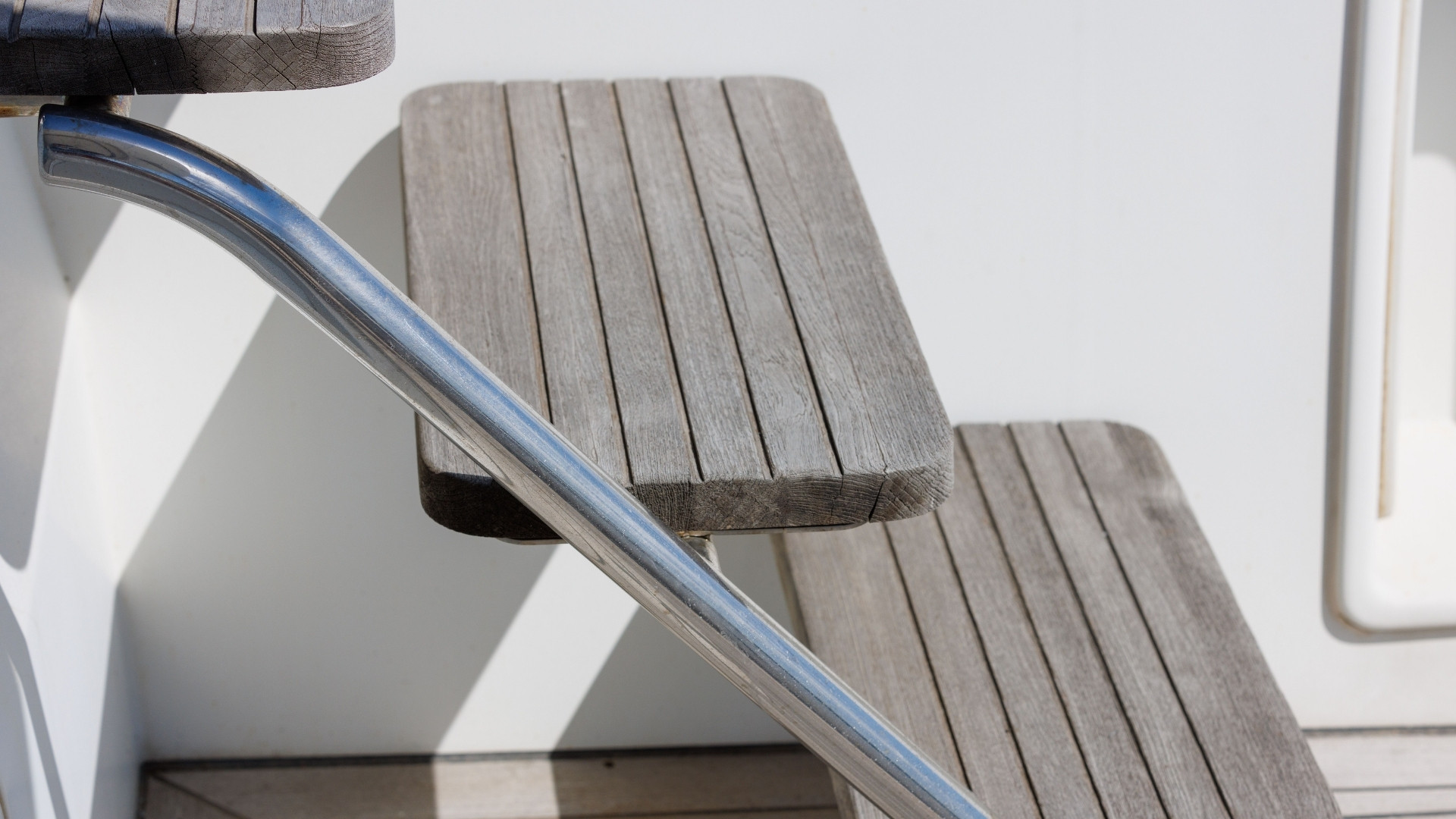
Wooden stairs require regular attention to maintain their appearance and structural integrity. Proper maintenance can extend their life and prevent safety issues.
Regular Cleaning: Remove dirt, leaves, and debris to prevent moisture buildup that can cause decay. Use a gentle scrub brush and outdoor-safe wood cleaner.
Sealing and Staining: Apply sealant or stain yearly to protect against moisture and UV damage. These treatments also keep the wood looking fresh and prevent cracks.
Inspecting for Wear: Check for loose treads, railings, or nails. Early detection of wear or damage can reduce safety risks and avoid costly repairs.
Non-Slip Treatments: Use textured finishes or anti-slip coatings on treads to make stairs safer, especially when wet.
Proper Drainage: Make sure water doesn’t pool around stairs. Good drainage prevents rot and helps the wood last longer.
Keeping your stairs well-maintained helps them last longer, stay safe, and look great year after year.
How Acadia Stairs Can Help You Design the Perfect Wooden Deck Stairs?
Professional expertise ensures that your wooden deck stairs are safe, functional, and visually appealing. Acadia Stairs specializes in custom staircase design, structural steel fabrication, and metal components, providing tailored solutions for both residential and commercial decks.
Here’s how we can assist you:
Custom stair layouts and shop drawings: Each design is built to exact dimensions, supported by 3D renderings created before the shop drawing phase, helping reduce on-site adjustments, installation delays, and rework.
Expert Guidance: Recommendations are based on climate exposure, load requirements, and maintenance expectations, with material inputs covering wood treads, metal stringers, and railing systems, not generic material preferences.
Designs aligned with real-world use: Stair geometry, tread depth, and railing integration are planned to support safe daily use and long-term durability, with design sketches available to visualize railings, treads, intermediate landings, and structural details.
Hybrid material coordination: Wood treads can be paired with metal stringers or railings to improve structural stability without compromising visual consistency, using Acadia Stairs’ in-house metal fabrication capabilities.
Fabrication accuracy and installation support: Precision fabrication helps maintain fit and finish, reducing supplier risk and minimizing issues during installation, especially for custom metal stair components and railing assemblies.
Partnering with experts like Acadia Stairs brings design experience, fabrication precision, and installation expertise that add long-term value to your deck project.
Conclusion
Thoughtful wooden stair design can transform a deck from merely functional to an inviting outdoor area. By considering layout, materials, and safety features, you can create stairs that enhance both the functionality and visual appeal of your deck.
Proper wood selection and maintenance play a critical role in durability, reducing long-term repair needs and improving the user experience. Investing in professionally designed wooden outdoor stairs, particularly with expertise from AcadiaStairs, ensures a balance of style, safety, and performance.
Contact us today to explore custom wooden deck stair solutions that align with your deck design, operational needs, and long-term performance goals.
FAQs
1. What safety features should wooden outdoor stairs include?
Wooden outdoor stairs should have sturdy handrails, non-slip treads, consistent rise and run, proper lighting, and secure fastenings. Weather-resistant materials and protective coatings help prevent rot and slips, while clearly defined edges and occasional landings improve overall safety for all users.
2. How do I calculate the ideal rise and run for comfortable deck stairs?
Measure the total height from deck to ground, then divide by a comfortable rise (typically 7 inches). Multiply the number of steps by a suitable tread depth (around 10–11 inches). The formula ensures even, safe steps that meet building codes and offer comfortable ascent and descent.
3. What are popular railing ideas for wooden outdoor stairs?
Popular railing ideas include horizontal or vertical wooden balusters, cable railings, wrought iron accents, glass panels for modern decks, and combination wood-metal designs. Adding handrails with ergonomic profiles and decorative post caps enhances safety while elevating aesthetic appeal.
4. How can I incorporate lighting into wooden deck stair designs?
Integrate LED strip lights under stair nosing, recessed step lights, post-mounted lanterns, or solar-powered lights along railings. Lighting improves visibility, highlights architectural details, and creates ambiance while maintaining safety for nighttime use.
5. Are there budget-friendly wooden stair design ideas for decks?
Budget-friendly options include using pressure-treated lumber or reclaimed wood, simple straight stair layouts, open risers, DIY railings, and minimal decorative details. Combining affordability with durable finishes ensures safety, functionality, and a stylish look without overspending.