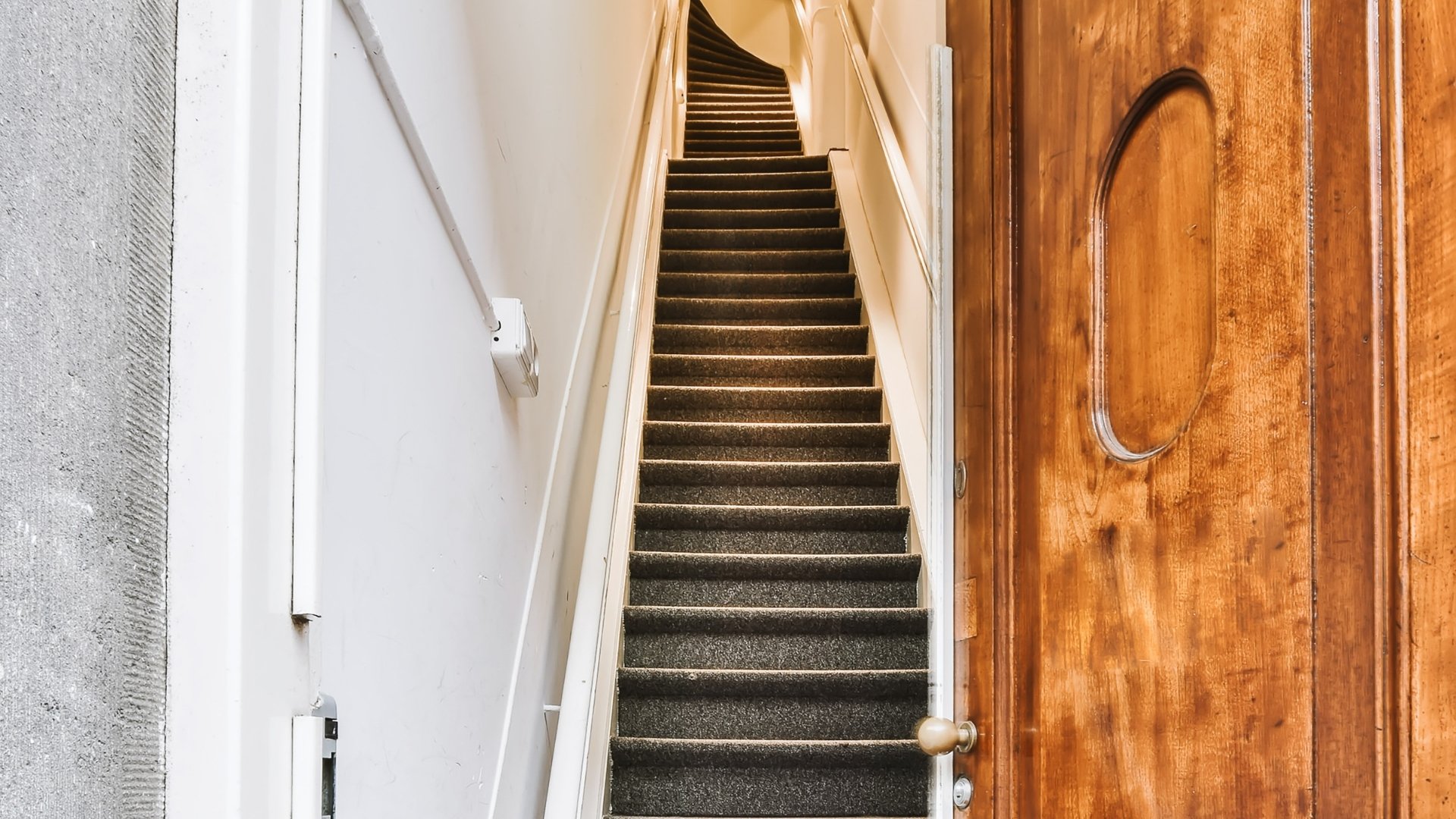
Narrow stairways are increasingly common in modern homes, townhouses, and renovations where space is limited. Their compact size makes them a practical choice, but designing them requires careful thought. A poorly planned stair can increase the risk of trips, reduce flow between floors, and make a space feel cramped.
In fact, in the US, over 1 million people are treated for stair‑related injuries every year, making thoughtful stair design and safety considerations essential in homes. A well-designed narrow stairway can improve accessibility, optimize usable floor space, and add visual appeal. The right approach ensures that a narrow staircase doesn’t just serve a functional purpose but also complements the surrounding space.
In this guide, we’ll explore practical layouts, material choices, lighting techniques, and design ideas that help narrow stairways become functional, stylish, and inviting.
Key Highlights:
Narrow stairways can feel cramped, but careful planning of width, risers, lighting, and handrails keeps them safe and comfortable.
Smart layouts like L-shaped, spiral, floating, or ship ladder stairs make the most of limited space while keeping movement easy.
Light colours, mirrors, vertical patterns, and layered lighting can visually open up narrow stairways and make them feel more spacious.
Combining materials like wood, metal, and glass with slim handrails or integrated lighting improves style without crowding the space.
Avoiding oversized elements, poor tread dimensions, and clutter helps the stairway stay functional, safe, and visually appealing.
What are the Challenges of Narrow Stairways?
Designing a narrow stairway involves balancing space constraints, safety, and usability. Even small miscalculations can affect comfort and accessibility, so it’s important to anticipate challenges early in the design process.
Key challenges include:
Limited width: Tight spaces restrict movement and require precise planning for safe step dimensions.
Step dimensions: In narrow stairways, riser height and tread depth must be carefully proportioned to prevent discomfort or missteps.
Handrail placement: Finding the right position is critical to provide support without obstructing the walkway.
Traffic flow: Narrow stairs can feel congested if multiple people need to use them simultaneously.
Lighting constraints: Insufficient lighting can make the space feel cramped and increase safety risks.
Visual perception: Small stairways can feel claustrophobic, so material choice, colors, and finishes must improve openness.
Integration with surrounding space: The stairway must fit naturally with the overall home design while staying fully functional.
These challenges highlight why a thoughtful approach to design, material selection, and layout is crucial for creating a safe and visually appealing narrow stairway.
Smart Layout Ideas for Narrow Staircases
A well-planned layout is essential for narrow stairways, where every inch matters. The right layout can improve usability, make traffic flow smoother, and even add design value to your home.
Here are some practical design approaches and considerations for narrow staircases:
Straight and L-Shaped Configurations
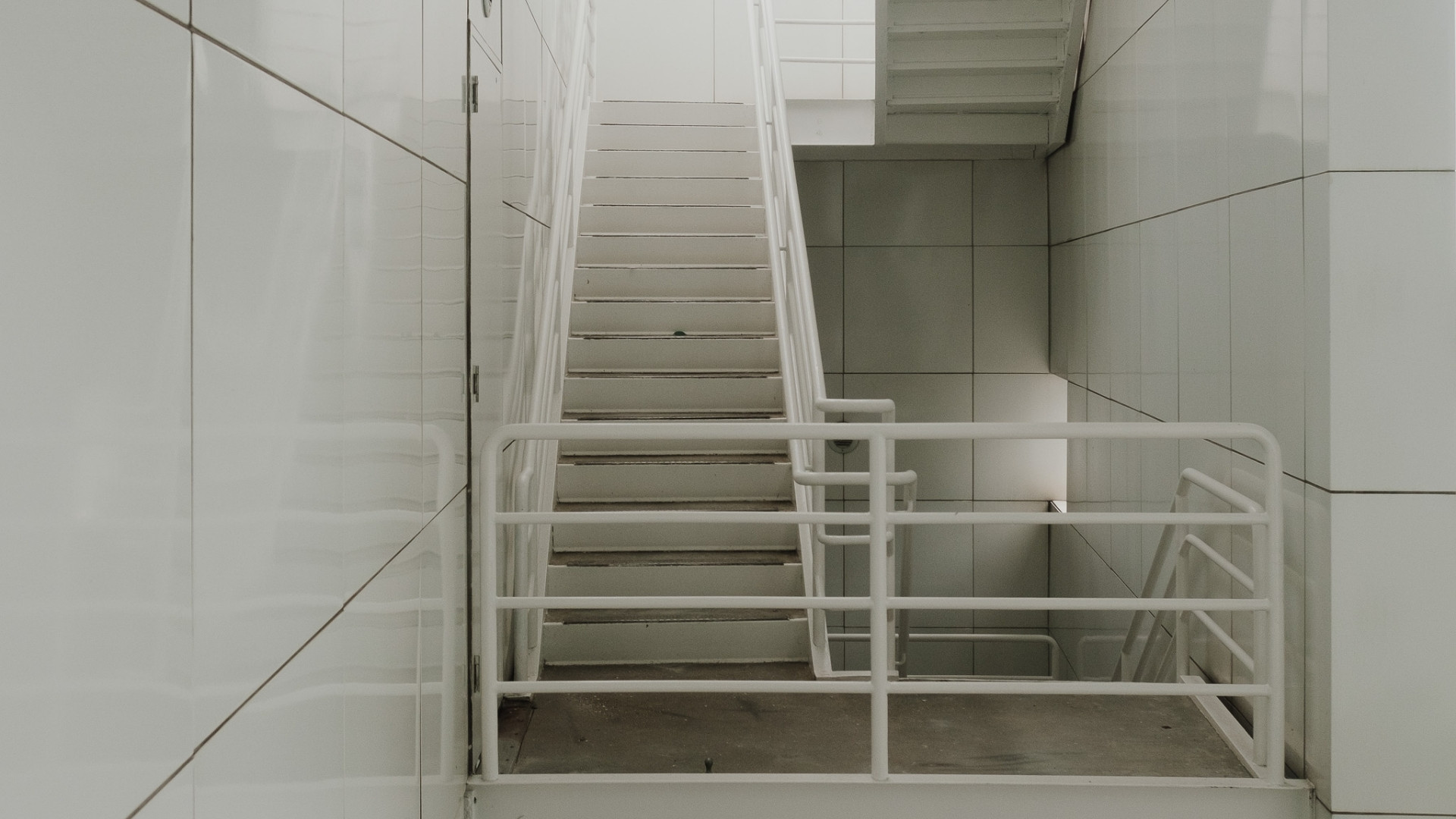
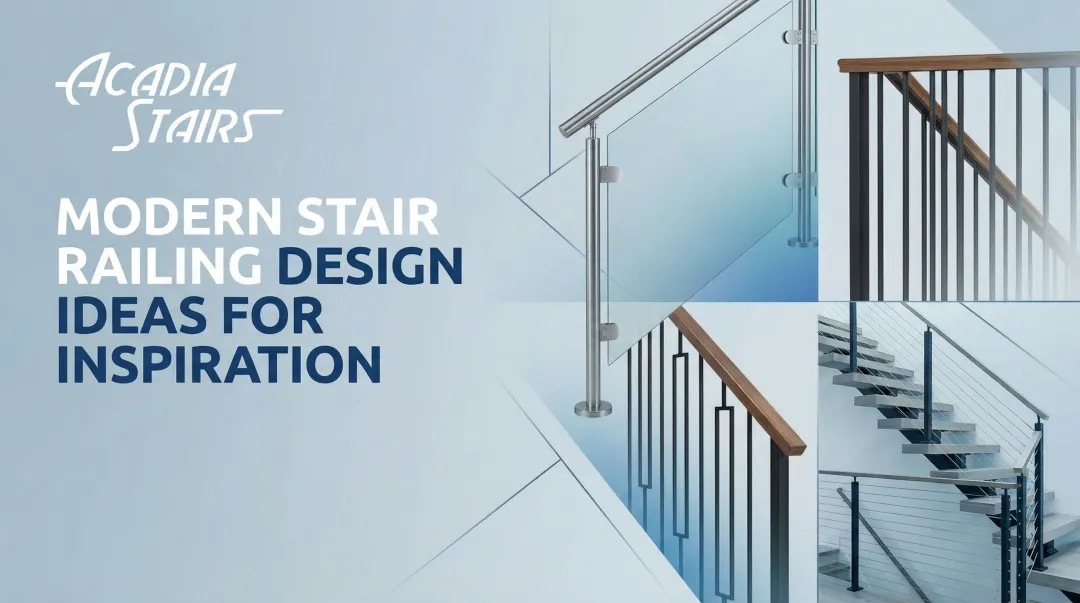
Straight staircases are simple and space-efficient, ideal for narrow areas with minimal turns. L-shaped stairs introduce a 90-degree turn, creating a visual break and extra landing space, which makes movement safer and provides room for handrails or small storage. Use corners smartly to keep the staircase compact while maintaining flow.
Benefits include:
Predictable and safe tread depth and riser height
Efficient use of floor space
Easier to integrate with adjacent rooms or hallways
Spiral and Curved Designs
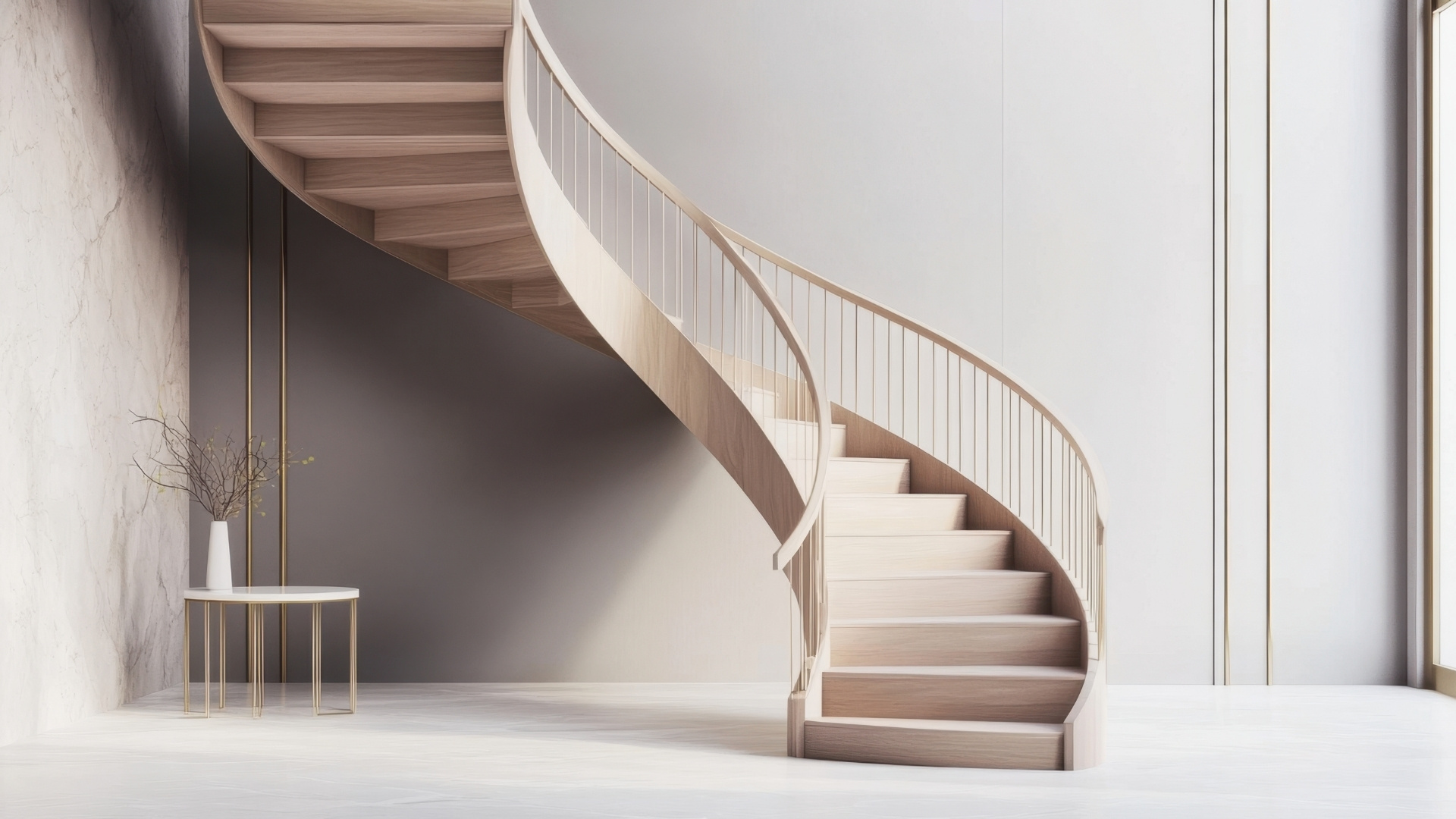
Spiral stairs fit tight footprints, offering vertical access without taking up much floor space. Curved staircases add elegance while keeping riser and tread dimensions safe and comfortable. Both options are ideal for homes where every inch matters.
Key considerations:
Ensure riser heights remain comfortable for daily use
Combine with sturdy railings to maintain safety
Use materials like metal or hardwood for durability in tight turns
Floating Stairs for a Minimalist Look
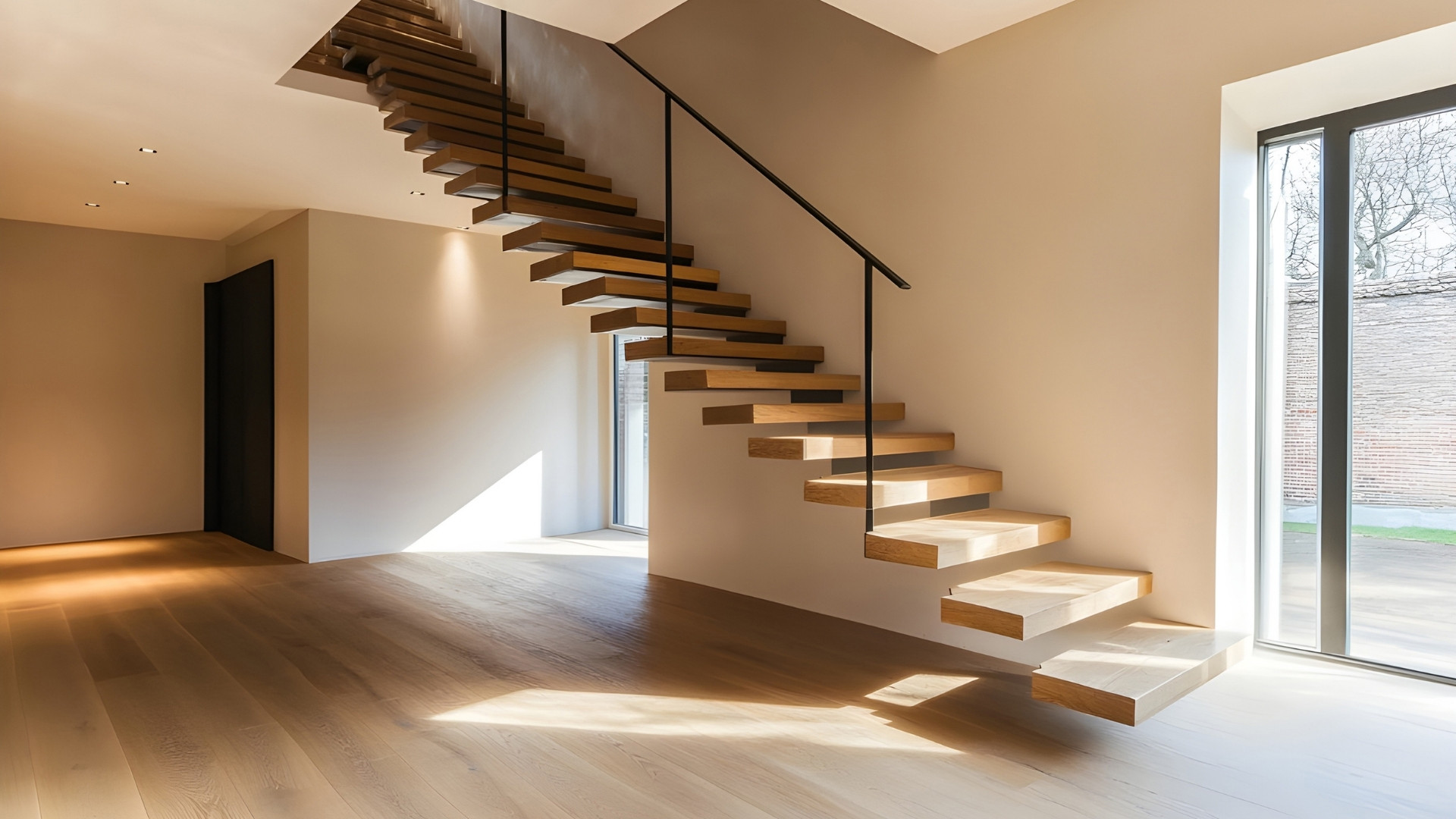
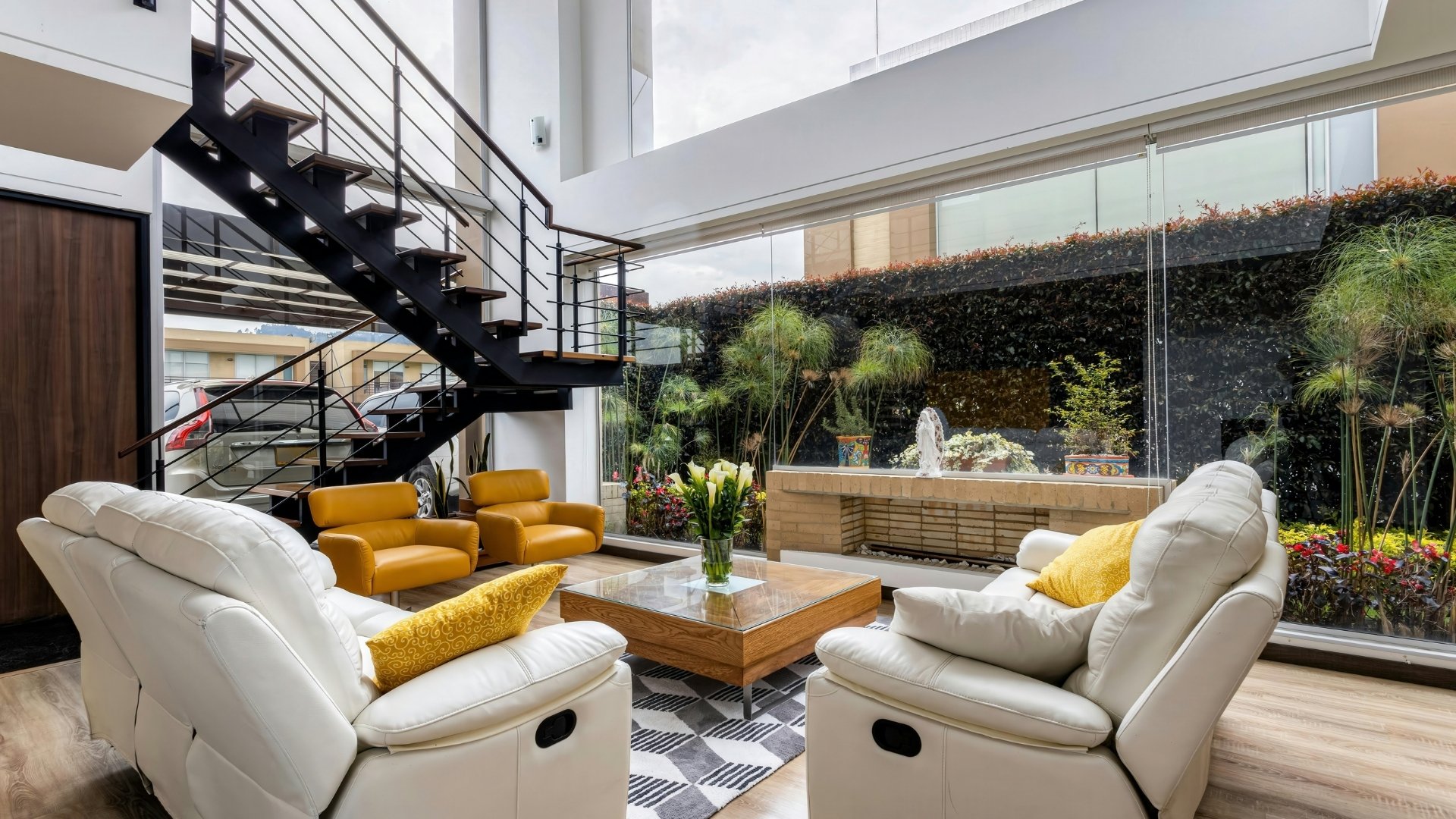
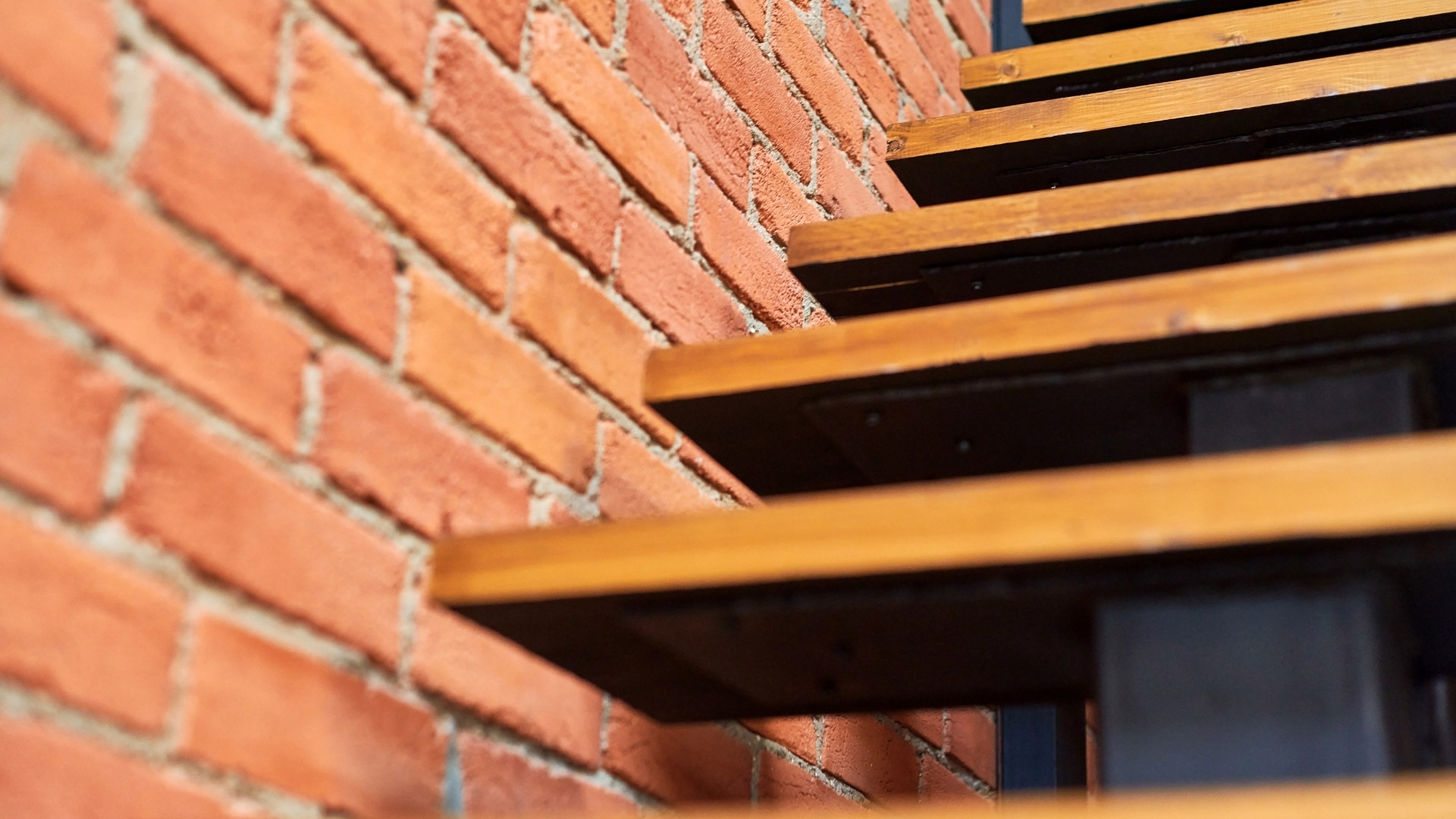
Floating staircases with open risers make narrow stairways feel airy and less cramped. These designs work well with wood, steel, or glass treads, allowing light to pass through and brighten the space.
Advantages:
Creates a sense of openness
Allows light to filter through the staircase
Complements contemporary interiors with a sleek, minimalist aesthetic
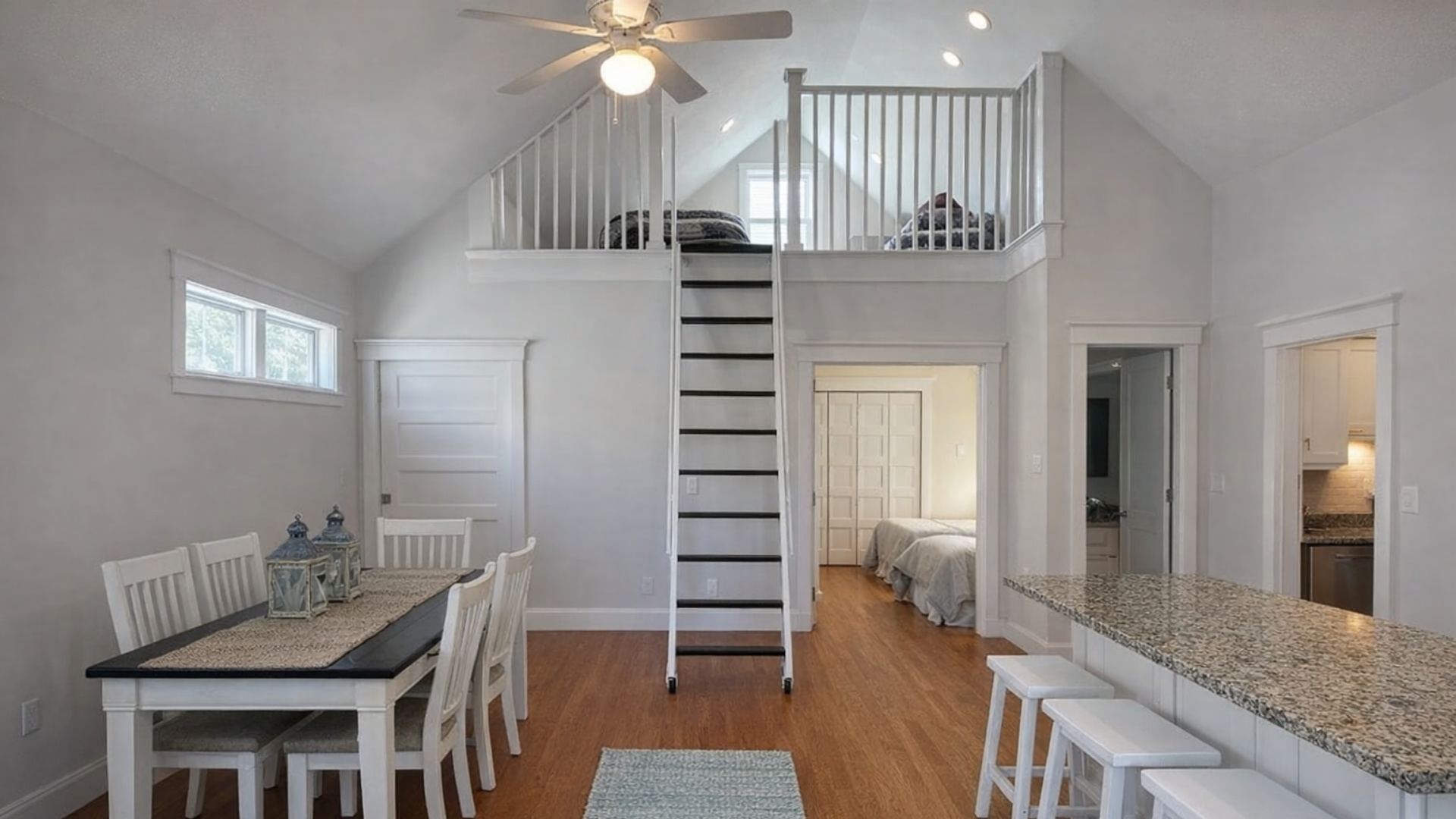
Ship ladders are steeper than conventional stairs and are ideal for lofts, libraries, or storage access where floor space is limited. Despite the incline, proper tread width and handrails keep usage safe and comfortable.
Design tips:
Use anti-slip surfaces to improve safety
Position handrails at an accessible height
Consider compact widths while maintaining climbability
Utilizing Landings and Turns
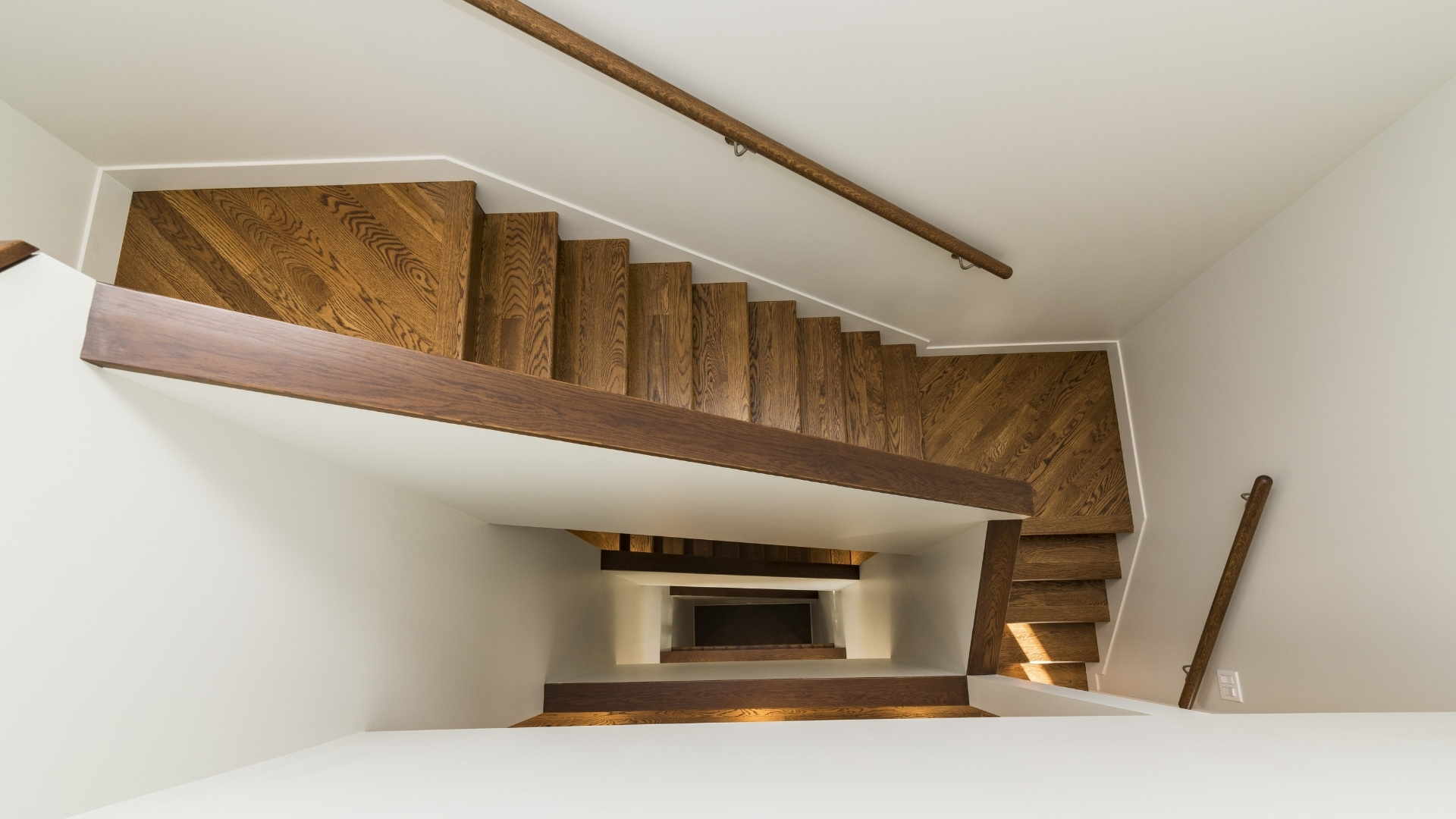
Incorporating landings in narrow stairways can make movement easier, safer, and provide rest points. Turns and landings can also break visual monotony, create storage opportunities, and allow integration with hallways or adjacent rooms without wasting space.
Benefits include:
Reduces fatigue during stair ascent or descent
Provides structural support for longer stair runs
Enhances overall flow and navigability
Optimizing Width and Riser Depth
Adjusting tread width and riser height can make a big difference in comfort and safety. Wider treads feel more comfortable underfoot, while carefully calculated riser heights reduce strain. These adjustments are particularly important in narrow stairways, where space limits require careful planning to avoid steep or awkward climbs.
Practical points:
Maintain consistent riser heights throughout the run
Avoid overly narrow treads that hinder foot placement
Ensure compliance with building codes for both safety and accessibility
Integration with Storage and Functionality
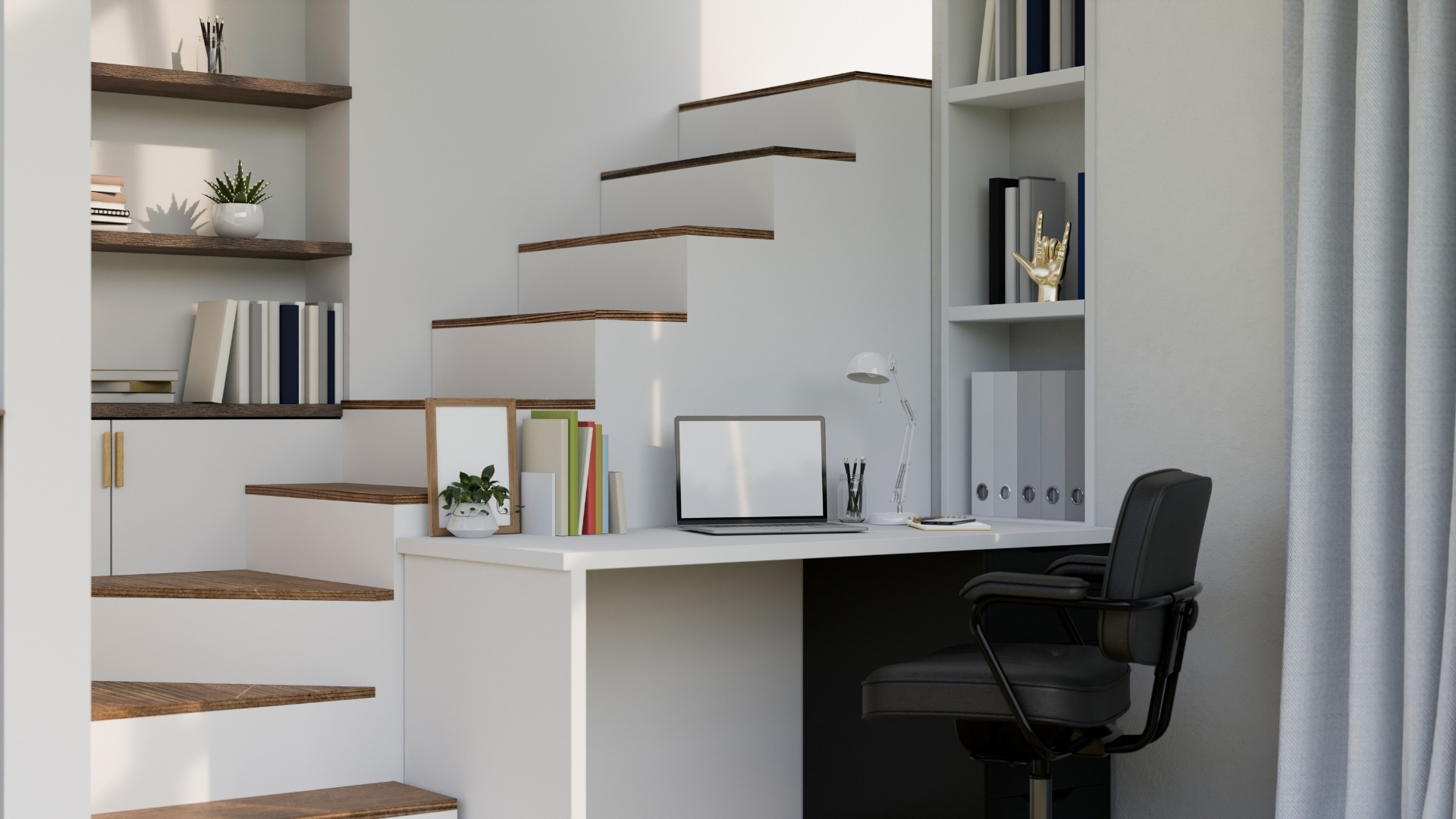
Narrow stairways provide a unique opportunity to integrate storage solutions. Pull-out drawers, shelves under the staircase, or built-in cabinets can turn wasted space into handy storage. This is especially useful in townhouses or small homes where every square foot counts.
Tips for implementation:
Use durable materials to support weight and daily use
Design storage to be easily accessible without obstructing traffic
Coordinate finishes with stair treads and railings for a cohesive look
Visual Tricks to Make a Narrow Stairway Feel Wider
A staircase’s perception can significantly affect how a space feels. Design choices that trick the eye and make your stairway feel more open and enjoyable.
Choose Lighter Tones to Create Visual Openness
Light colors naturally expand the perception of space. Walls painted in soft neutrals, off-whites, or pale pastels reflect light and prevent the staircase from feeling cramped.
Apply lighter tones to walls, treads, and even risers for a cohesive, airy look
Pair with slightly darker handrails or accents to define edges without closing in the space
Avoid dark, saturated shades on large surfaces, as they can make narrow stairways feel heavier and tighter.
Use Vertical Stripes to Add Direction and Length
Vertical patterns guide the eye upward, creating the illusion of height and elongation.
Try painting thin vertical stripes on side walls; they naturally guide the eye up and make your stairs feel taller.
Consider wallpaper or paneling with subtle vertical lines for added texture
Keep stripes narrow and unobtrusive to avoid visual clutter
Install Mirrors to Create an Illusion of Space
Mirrors reflect light and extend the perception of the staircase beyond its physical boundaries.
Place tall, narrow mirrors along the walls adjacent to the stairs
For a modern look, try frameless or thin-frame mirrors that fit smoothly with your design
Mirrors also make it easier to see and move safely on narrow stairs.
Select Slimmer Runner Widths for Better Balance
Runners add style and comfort, but can visually narrow a staircase if too wide.
Opt for slim or mid-width runners to maintain proportional balance
Use runners with subtle patterns or soft gradients to draw attention upward
Secure runners properly to reduce slippage risks while keeping the stairway feeling open
Opt for Simple Borders or No Borders
Complex borders can make a narrow stairway feel visually cluttered.
Keep borders minimal or eliminate them entirely for a cleaner, more expansive look
A single, unbroken runner or tread color emphasizes continuity and flow
Simplified edges help maintain focus on the staircase structure rather than decoration
Layer Lighting for Added Depth
Layered lighting not only brightens the stairway but also makes the space feel larger.
Combine overhead lighting with LED strips along treads or handrails
Consider wall sconces to highlight vertical planes and create depth
Proper lighting improves safety while making the staircase appear wider
Add Subtle Stair Rods for Definition
Stair rods can define tread edges and add subtle texture without overwhelming the space.
Choose thin, understated rods for a clean look
Position rods uniformly across treads to maintain visual rhythm
This small detail adds design sophistication and helps guide the eye upward
Use Soft Textures and Strategic Details to Bring Warmth
In narrow stairways, texture can create interest without bulk.
Consider low-pile runners or tactile wall finishes to add warmth
Incorporate small, consistent details, like a slim handrail profile or recessed LED accents, for visual depth
Soft textures make the stairs feel cozy and spacious without adding clutter.
Material and Style Inspiration for Narrow Staircases
Materials and finishes play a significant role in both appearance and function. The right choices can improve durability, ease of maintenance, and visual impact.
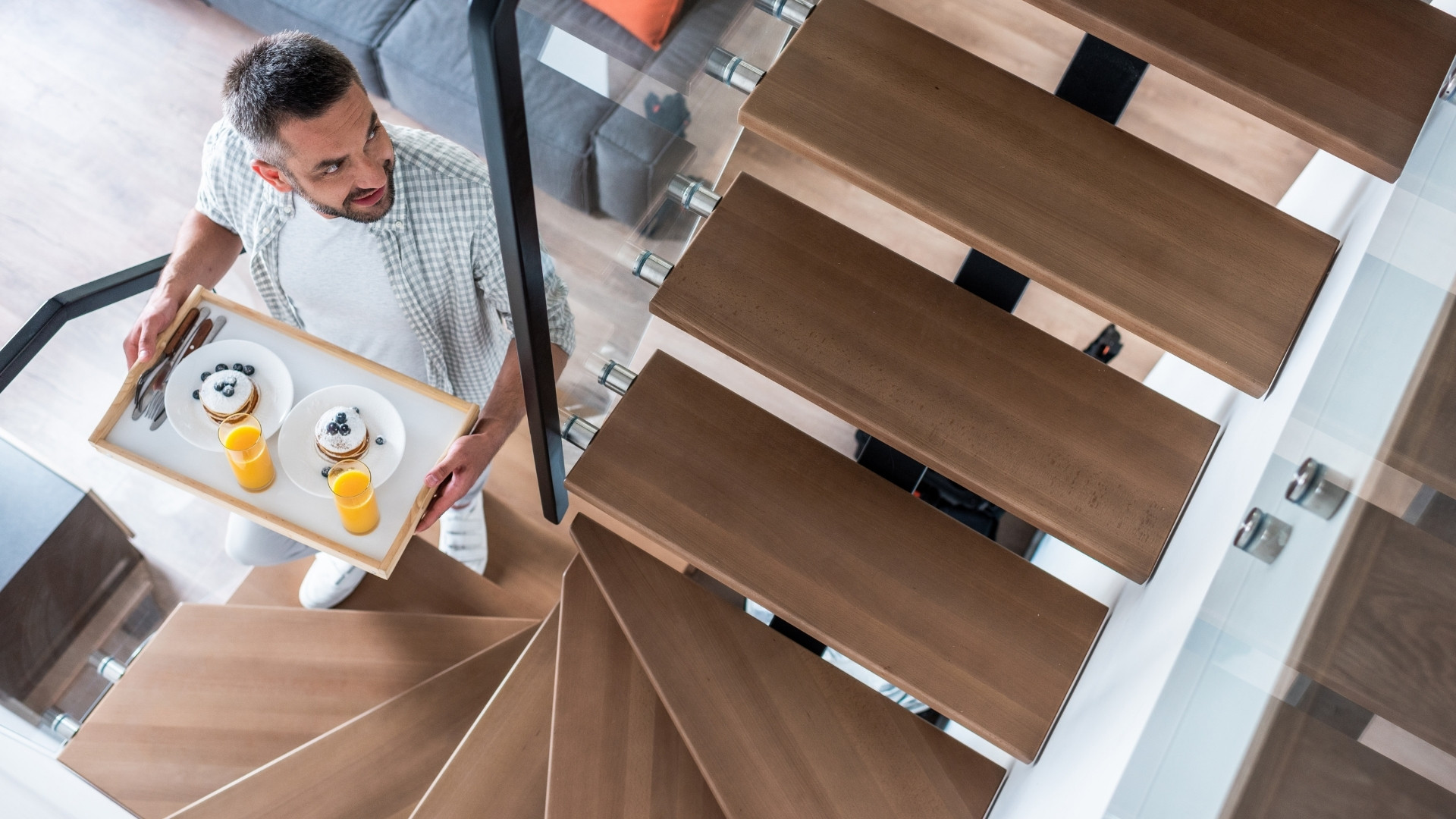
Wood Options: Hardwood treads such as oak, maple, or walnut offer strength and warmth, suitable for both contemporary and traditional interiors. Textured or patterned treads can improve foot grip and reduce slip risk, while creating visual interest.
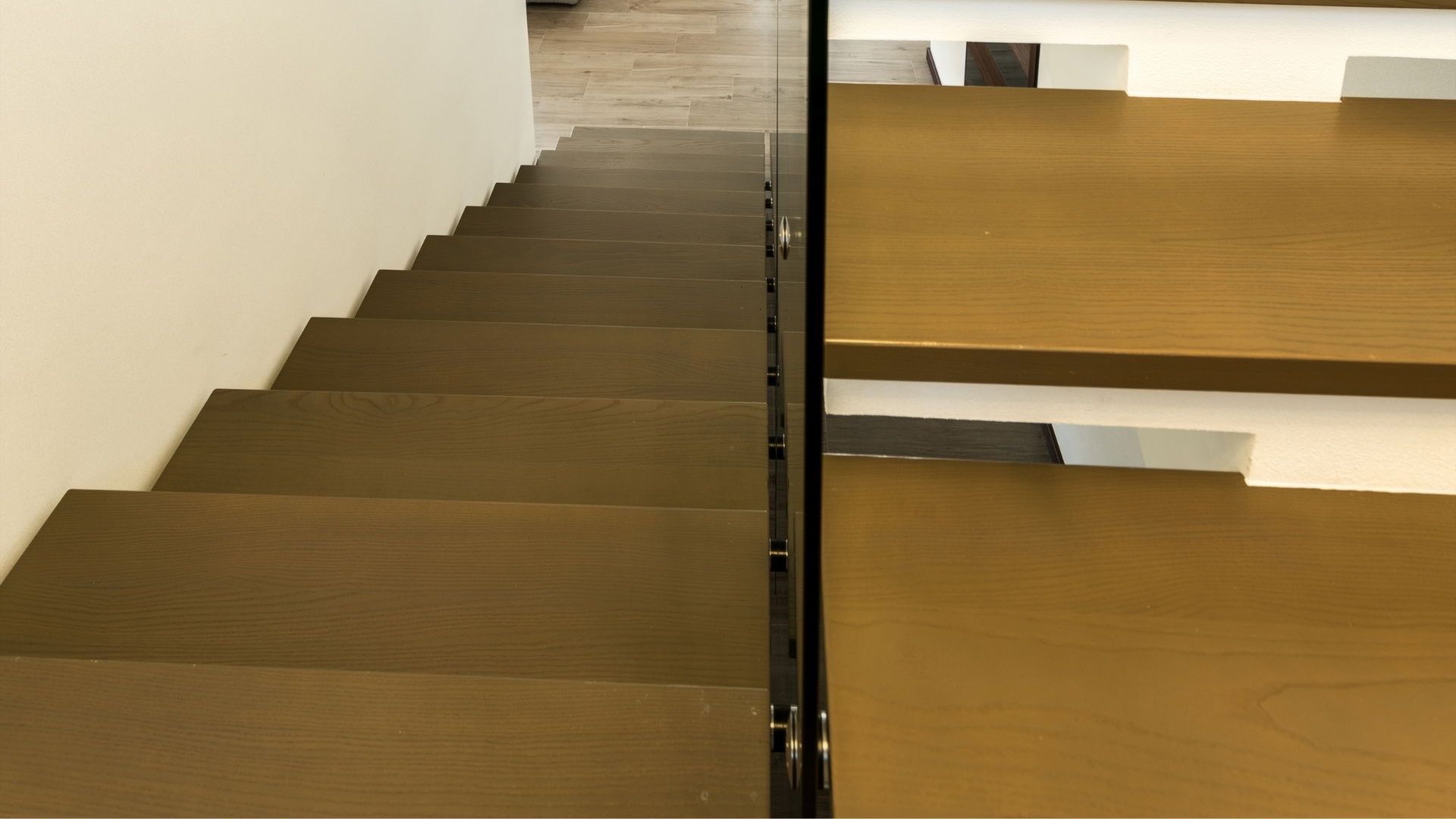
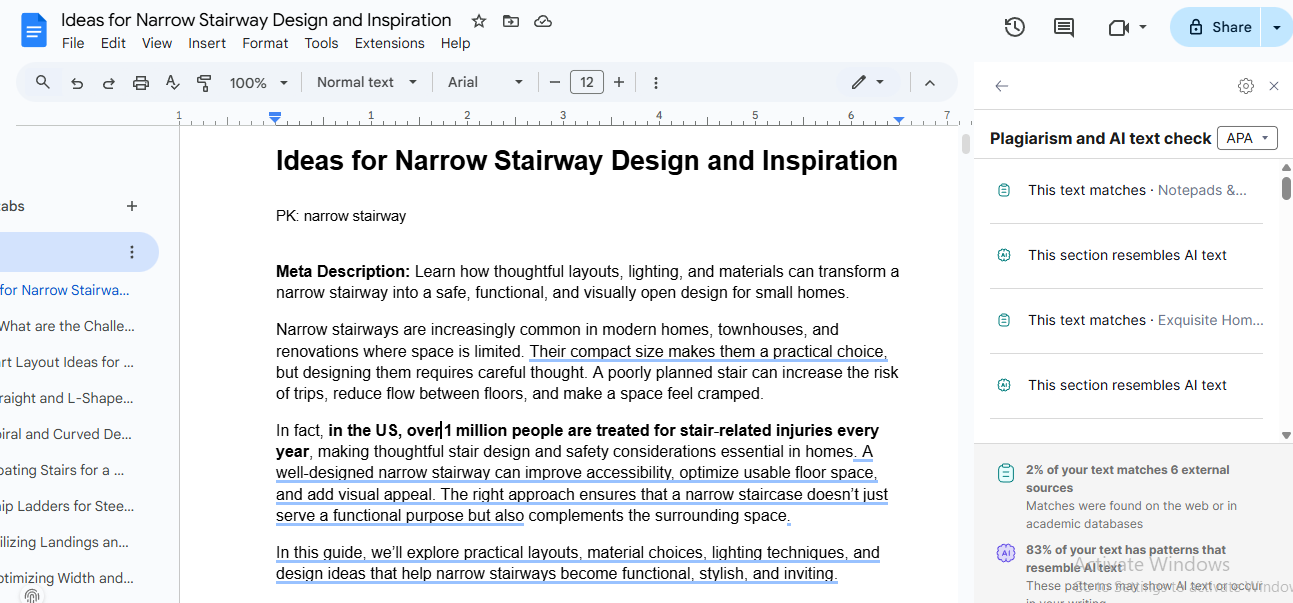
Metal and Glass Combinations: Steel or wrought iron stringers and railings are ideal for narrow stairways because they allow slim structural designs without sacrificing safety. Combining metal with glass panels or balusters maintains an open feel, letting light pass and visually enlarging the staircase.
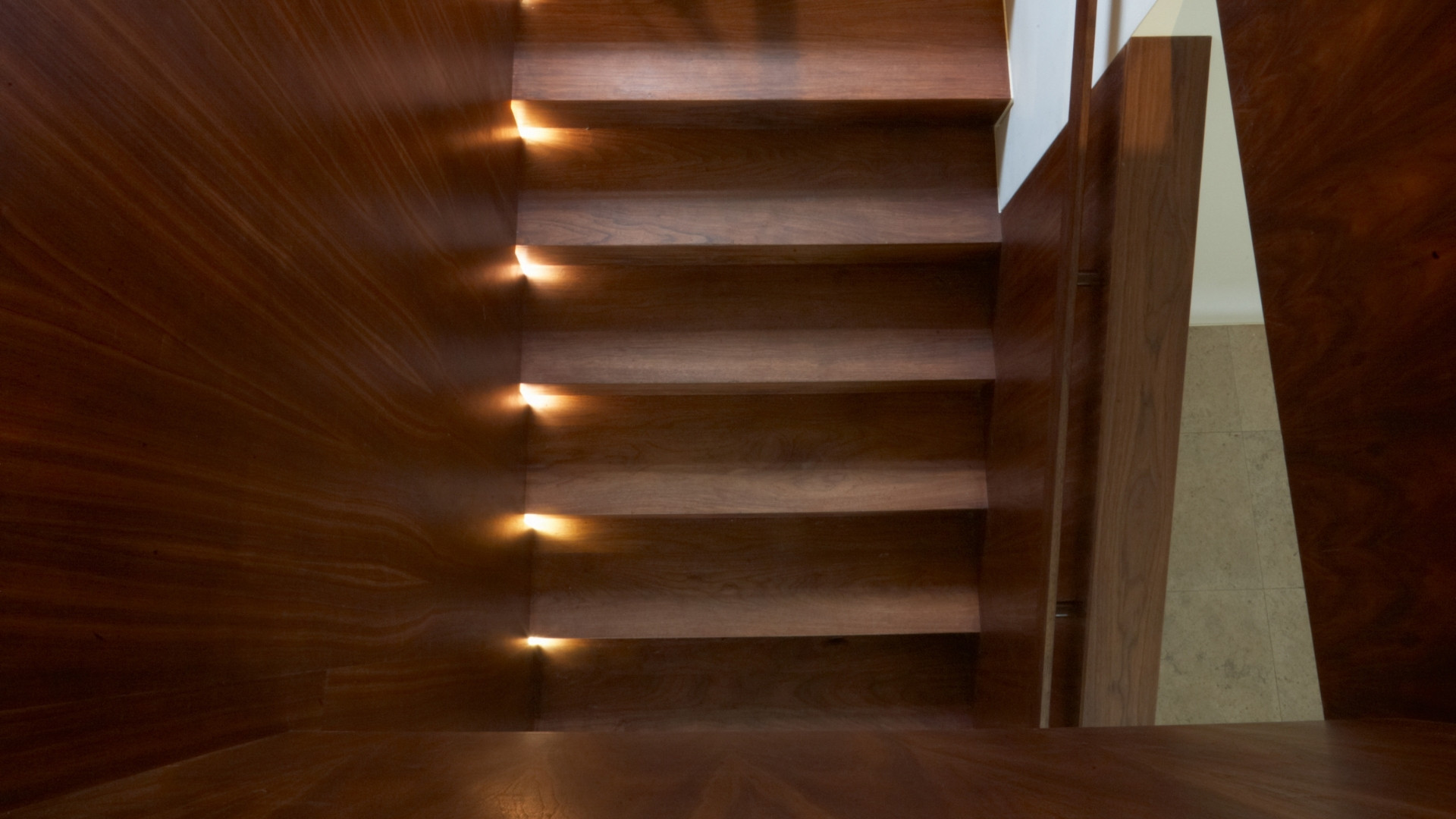
Integrated LED Lighting: Lighting can be embedded into treads, handrails, or walls. Besides making stairs safer and easier to navigate, it creates a premium, modern aesthetic that complements metal or wooden finishes. For homes with limited natural light, integrated LED lighting makes the space feel bigger and more usable.
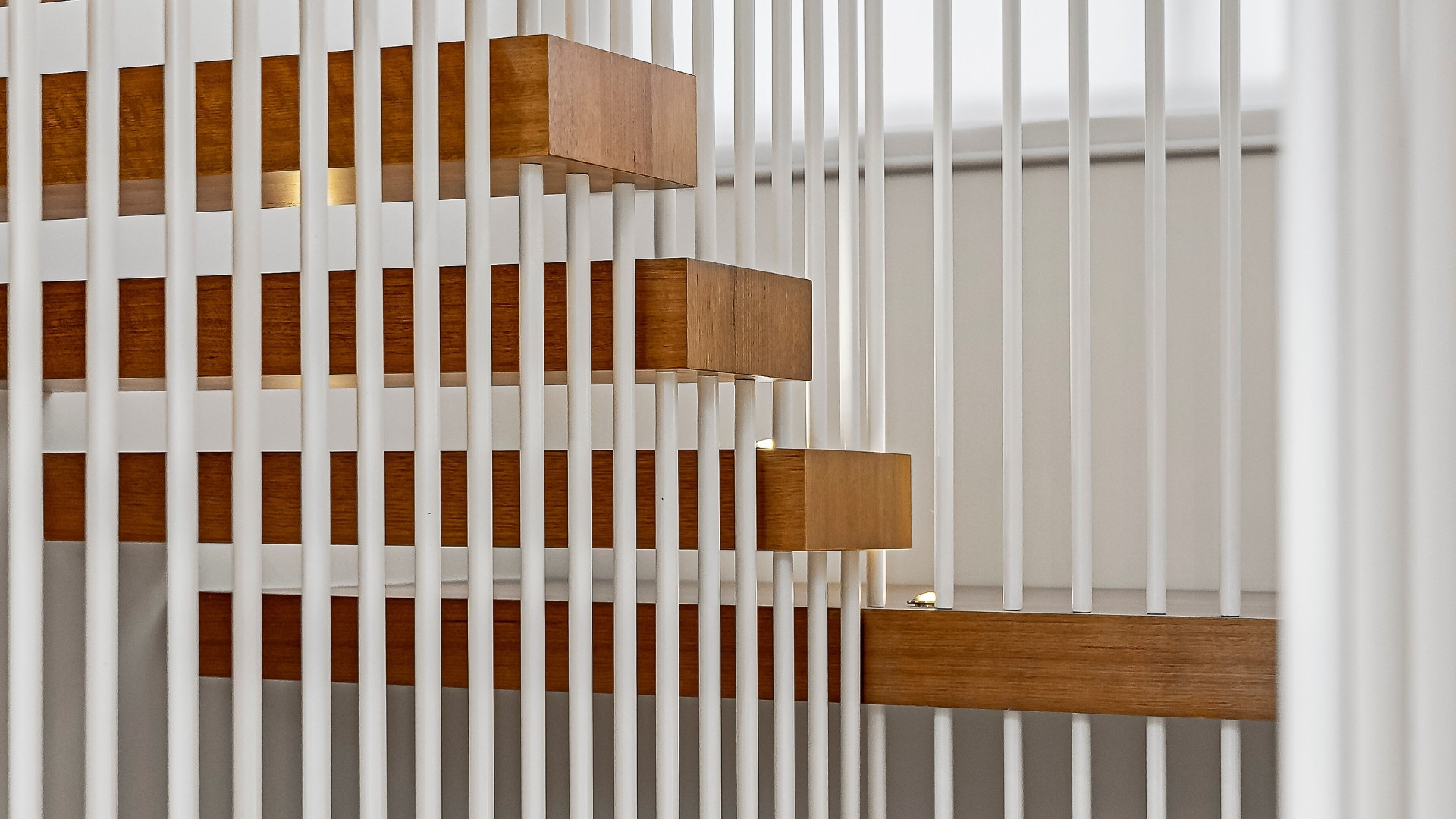
Decorative Handrails and Balusters: Baluster design can support aesthetics while maintaining code-compliant safety standards. Minimalist, vertical metal balusters create clean lines, whereas decorative wrought iron patterns add a touch of elegance without compromising width.
For projects with tight clearances, Acadia Stairs fabricates slim-profile metal stair components that support strength requirements without overpowering the space.
Common Mistakes to Avoid in Narrow Stair Design
Even with careful planning, narrow stairways can fall short if certain mistakes are made. Avoiding these pitfalls helps keep your stairs safe, usable, and stylish.
Ignoring Building Codes: Compliance is non-negotiable. Failing to meet width, riser, or handrail specifications can create hazards and legal issues.
Overcrowding with Materials or Decor: Too many design elements in a narrow stairway can feel cluttered and reduce safe movement. Avoid oversized treads, heavy railings, or bulky décor.
Neglecting Maintenance Needs: Certain materials need regular care, like wood needing refinishing or metal showing fingerprints. Selecting low-maintenance materials reduces long-term effort.
Oversized Railings and Balusters: Bulky railings can overwhelm the space and restrict movement. Opt for slim, vertical balusters or transparent panels to maintain openness.
Insufficient Tread Depth or Unsafe Rise: Too narrow treads or excessively steep risers compromise safety and comfort. Each step should accommodate standard foot dimensions and maintain a consistent rise-to-run ratio.
By proactively addressing these issues, designers can ensure narrow stairways deliver safety, style, and functional efficiency.
How AcadiaStairs Can Help You Design the Perfect Narrow Stairway?
Designing a narrow stairway requires a balance of custom engineering, material selection, and visual design. Acadia Stairs specializes in creating bespoke metal and wooden staircases, offering solutions tailored to each client’s space, style, and functional needs.
Here’s how we can support you:
Custom stair layouts built to exact dimensions: Each narrow stairway is designed using 3D renderings and detailed shop drawings, helping clients visualize the staircase in its environment before fabrication begins and reducing on-site adjustments and installation delays.
Material selection suited for tight spaces: Guidance on choosing structural steel, stainless steel, wood treads, or mixed-material systems that provide strength while keeping profiles slim and visually open.
Slim-profile stair and railing designs: Options such as mono stringer stair systems, open risers, floating tread designs, and minimal metal railings help maintain clear movement paths in limited widths.
Code-aware design support: Stair geometry, tread depth, riser height, handrail placement, intermediate landings, and railing details are planned to support safety and compliance in narrow stairway conditions.
Fabrication expertise for complex constraints: In-house metal fabrication and welding capabilities allow Acadia Stairs to handle tight tolerances, unusual angles, and challenging stairwell conditions.
By partnering with Acadia Stairs, homeowners, contractors and architects gain access to expertise that reduces trial-and-error in narrow stairway projects and ensures a functional, stylish, and safe result.
Conclusion
Narrow stairways no longer need to be cramped or challenging. By applying smart layouts, material choices, lighting strategies, and minimalist design, you can create stairways that are both functional and visually appealing.
Paying attention to riser height, tread depth, railings, and finishes ensures safety, improves daily usability, and contributes positively to a home’s aesthetic. Selecting the right partner, like Acadia Stairs, ensures designs are tailored to your home, built with precision, and optimized for both form and function.
Contact us today to explore custom narrow stairway solutions that fit your space and support your project goals.
FAQs
1. What are the best color schemes for making narrow stairways feel wider?
Light, neutral shades like whites, soft grays, and pastels make narrow stairways appear more spacious. Pairing them with subtle contrasting accents, reflective surfaces, or glossy finishes enhances brightness and depth, creating an open and airy feel without overwhelming the small space.
2. How to incorporate storage solutions into narrow stairway designs?
Utilize under-stair storage like pull-out drawers, cupboards, or open shelving to maximize space. Wall-mounted shelves, slim cabinets, or built-in niches along the stairwell can store essentials efficiently while maintaining a clean, uncluttered look that doesn’t encroach on the narrow walkway.
3. What flooring options maximize space and safety in tight stairwells?
Non-slip materials such as textured wood, laminate, or vinyl enhance safety. Light-toned flooring visually expands the stairway, while continuous patterns or narrow stripes draw the eye upward, creating the illusion of more space and guiding movement safely.
4. Can vertical gardens or plants be added to narrow stairways for a fresh look?
Yes, vertical planters, hanging pots, or wall-mounted greenery brighten narrow stairways. Opt for compact, low-maintenance plants to avoid crowding, and use wall-mounted or suspended designs to add freshness and life without reducing functional walking space.
5. What modern wallpaper or wall treatments suit narrow staircase walls?
Subtle geometric patterns, vertical stripes, or light-textured wallpapers create depth and height. Neutral tones, metallic accents, or minimalistic murals add style without overwhelming the space, visually widening narrow stairways while maintaining a contemporary, elegant feel.