
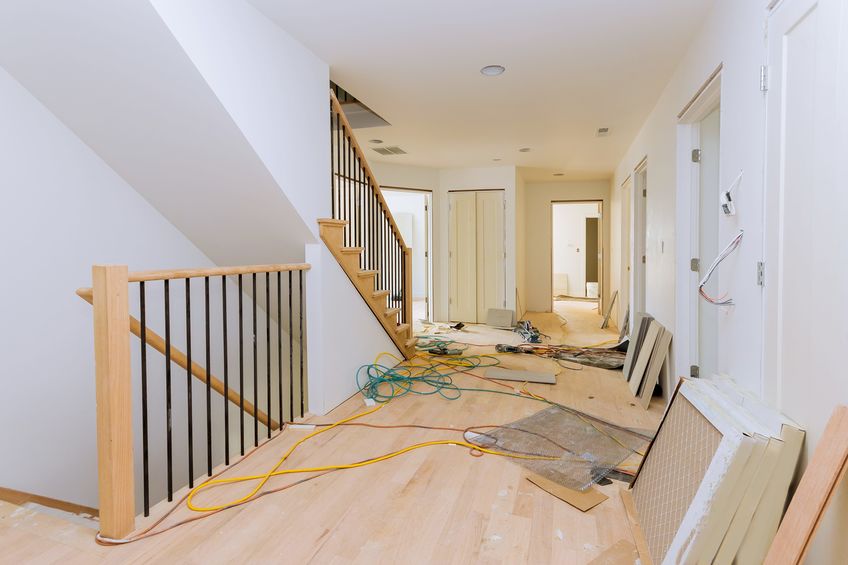
Home renovations can completely transform your space, but they also come with dust, debris, and heavy foot traffic that can easily damage your stairs. Whether your staircase is wood, metal, or tile, protecting it during construction is an important step in preserving both its appearance and long-term durability.
Without proper protection, scratches, dents, and stains can occur quickly, especially when tools and materials are being carried up and down. Taking a few preventative steps can help you avoid costly repairs once the project is complete.
Start with a Clean Surface
Before adding any protective covering, thoroughly clean your stairs. Dust, dirt, or small debris trapped underneath coverings can scratch or damage the surface over time.
A clean surface ensures that protective materials sit properly and reduces the risk of unintended damage during the renovation process.
Use the Right Protective Covering
Choosing the right type of protection depends on the material of your stairs. Not all coverings work the same way, so it is important to select one that fits your specific surface.
Some effective options include:
• Protective films for carpeted stairs
• Heavy-duty boards or coverings for wood and tile
• Non-slip drop cloths or runners for general protection
These materials help shield stairs from spills, impact, and constant foot traffic while also creating a safer walking surface.
Secure Materials Properly
Once the protective covering is in place, make sure it is secured so it does not shift or bunch up. Loose coverings can create tripping hazards and expose parts of the staircase to damage.
At the same time, be careful with adhesives. Strong tapes can leave residue or damage finished surfaces. Using appropriate materials and applying them carefully will help maintain both safety and cleanliness.
Protect High Impact Areas
Certain parts of your staircase are more vulnerable than others. The edges of treads, stair nosing, and surrounding walls are especially prone to damage during renovations.
To provide extra protection, consider:
• Reinforcing stair edges with durable coverings
• Adding wall protection along stairways
• Covering railings to prevent scratches
Protecting these high-traffic, high-impact areas can make a noticeable difference in maintaining your staircase’s condition.
Maintain Protection Throughout the Project
Protection should not be a one-time step. During a renovation, coverings can shift, wear down, or become damaged themselves.
Check your stair protection regularly and replace any worn or loose sections as needed. Keeping the area clean and maintained throughout the project helps prevent damage and keeps the worksite safer for everyone involved.
Plan Ahead to Avoid Damage
Taking time to plan your renovation workflow can also help reduce stress on your staircase. Limiting unnecessary traffic, organizing materials in advance, and designating pathways for workers can all help protect your stairs.
Even simple steps, such as carrying heavy items carefully or avoiding dragging tools across surfaces, can go a long way in preventing damage.
Protect Your Investment
Your staircase is an important feature of your home, both functionally and visually. Protecting it during renovation helps preserve its quality and ensures it continues to enhance your space for years to come.
Plan for What Comes Next
Once your renovation is complete, your staircase should feel just as polished and intentional as the rest of the space.
Acadia Stairs creates custom staircase designs that combine modern style, quality materials, and thoughtful functionality for homes and commercial spaces alike. Whether you are considering a floating staircase, spiral stairs, custom railings, or another tailored solution, we can help bring your vision to life.
Call (845)765-8600 today to discuss your custom staircase project.