
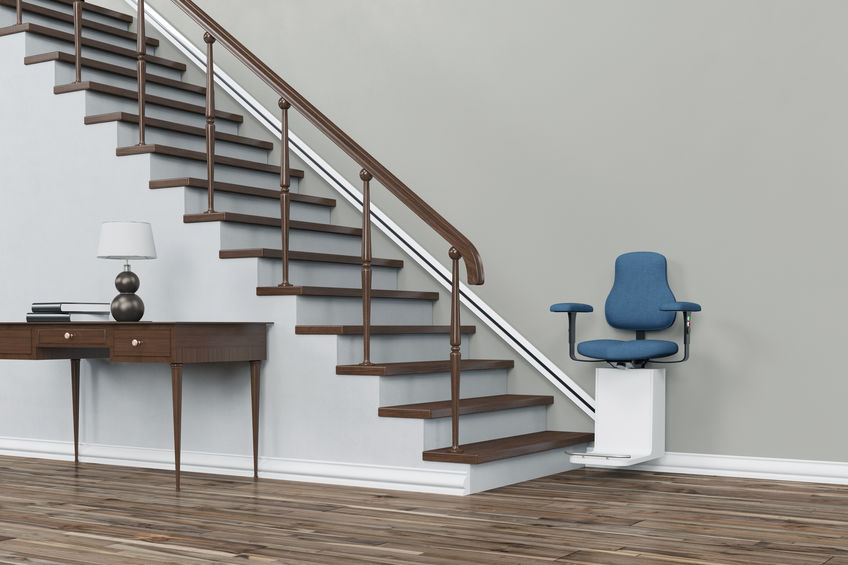
A stairlift can make a home safer and more accessible for someone who has difficulty using the stairs. Whether you are planning for your own needs or helping a loved one stay comfortable at home, it is important to understand how stairlifts work, what type of staircase you have, and what to consider before installation.
While a stairlift can be a helpful accessibility solution, not every staircase is the same. The layout, size, shape, and condition of your stairs all play a role in determining the best option.
Understand the Benefits of a Stairlift
For many homeowners, the biggest benefit of a stairlift is the peace of mind it provides. Stairs can become difficult or unsafe for people with mobility challenges, and a stairlift can make it easier to move between floors without unnecessary strain.
Some common benefits include:
• Improved safety on the stairs
• Greater independence at home
• Easier access to multiple levels
• Added comfort for daily routines
• Support for aging in place
For someone who wants to remain in their home longer, a stairlift can be a practical solution that helps make everyday movement easier.
Look at the Shape of Your Staircase
Before installing a stairlift, the first step is evaluating the staircase itself. Straight staircases are usually the simplest option because the rail can follow one direct path from top to bottom. These lifts are often easier to install and may require less customization.
Curved staircases are different. If your stairs bend, turn, spiral, or include landings, the stairlift rail usually needs to be custom-made to match the exact shape of the staircase. This can make the process more detailed, but it allows the lift to move safely and smoothly along the full path of the stairs.
Consider Space and Clearance
Stairlifts require enough space for the chair, rail, and safe movement. Before installation, it is important to consider the staircase width, the user’s height, and the available space at the top and bottom landings.
You will also want to think about how the staircase is used by others in the home. A folding seat, footrest, or rail design may help keep the stairs accessible when the lift is not in use.
Think About Safety Features
Modern stairlifts often include helpful safety features that enhance everyday use. These may include seatbelts, swivel seats, obstruction sensors, smooth start-and-stop movement, and battery backup in case of a power outage.
These features can make a major difference in comfort and confidence, especially for someone who will use the stairlift daily.
Plan for the Long Term
A stairlift can address an immediate mobility concern, but it is also worth considering long-term needs. Consider whether the staircase layout will continue to work well, whether additional home updates may be needed, and whether the existing stairs are in good condition before installation.
A safe, sturdy staircase is the foundation for any stairlift system.
Create a Safer, More Functional Staircase
Acadia Stairs designs and builds custom staircases for homeowners, builders, and designers, including straight, curved, and spiral stairs, custom railings, and other tailored solutions. If your current staircase needs to be updated before adding accessibility features, or if you are planning a larger home improvement project, call us at (845) 765-8600 or complete the online contact form to discuss your staircase goals.