
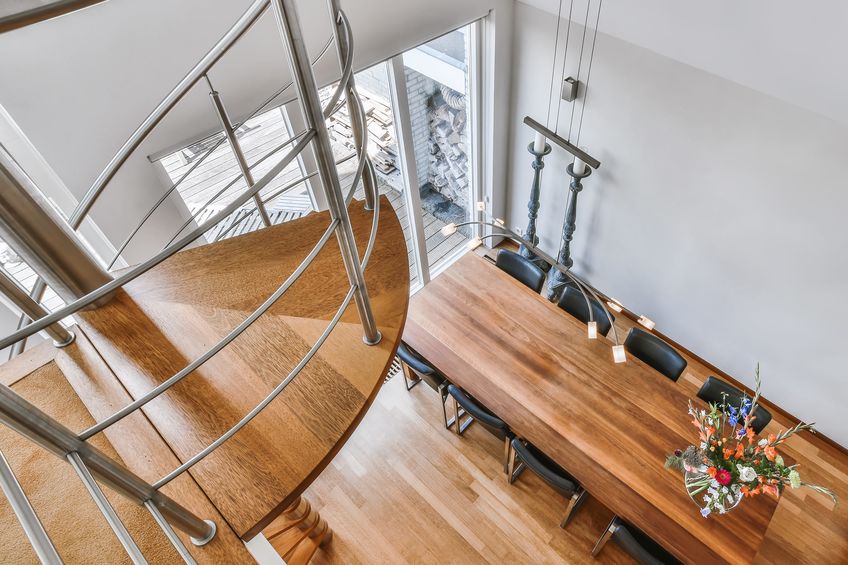
A staircase is much more than a way to move between floors. In many homes, it serves as a central architectural feature that helps define the overall style of the space. Whether your home is modern, traditional, industrial, or somewhere in between, the right staircase can tie everything together and create a more cohesive interior.
Instead of treating your staircase as an afterthought, consider how its design, materials, and finishes can complement the rest of your home’s décor.
Choose Materials That Match Your Style
The materials used throughout your staircase have a significant impact on the overall appearance of your home. Coordinating the treads, railings, and finishes with surrounding flooring, cabinetry, or trim helps create a seamless design.
Some popular material combinations include:
• Hardwood treads for warmth and timeless appeal
• Metal railings for a sleek, modern look
• Glass panels to maximize openness and light
• Mixed materials that blend contemporary and traditional elements
Selecting complementary materials creates visual continuity from one room to the next.
Make the Staircase a Design Feature
A staircase does not have to blend into the background. In many homes, it becomes one of the first features guests notice when they walk through the front door.
Simple design elements can help your staircase stand out, including:
• Statement railings
• Floating stair designs
• Decorative lighting
• Custom tread materials
• Unique finish colors
These features allow the staircase to become a focal point while still fitting naturally within the rest of the home.
Consider the Surrounding Space
The area around your staircase is just as important as the staircase itself. Walls, lighting, flooring, and nearby furniture all influence how the staircase fits into the overall design.
For example, adding artwork, a gallery wall, or carefully selected lighting can draw attention to the staircase without overwhelming the space. Open layouts often benefit from glass railings or open risers that maintain clear sightlines and allow natural light to move throughout the home.
Balance Style and Function
While appearance is important, functionality should never be overlooked. A well-designed staircase should be comfortable to use while complementing your home’s overall décor.
When planning your staircase, think about:
• Daily traffic throughout the home
• Safety and handrail placement
• Lighting for visibility
• Long term durability of materials
• Maintenance requirements
Combining practical features with attractive design creates a staircase that performs well for years to come.
Update More Than Just the Stairs
Sometimes a simple staircase update can transform an entire room. Replacing outdated railings, refinishing treads, or introducing new materials can make the surrounding space feel brighter, more modern, and more inviting without requiring a complete renovation.
Even small design changes can help create a stronger connection between your staircase and the rest of your home’s interior.
Bring Your Vision Together
Your staircase should enhance your home’s overall design, not simply serve as a functional necessity. With thoughtful planning and quality craftsmanship, it can become one of the most impressive architectural features in your home.
At Acadia Stairs, every project is approached collaboratively to ensure the finished staircase reflects your style, complements your home’s décor, and meets your functional needs. Whether you are interested in floating stairs, spiral staircases, custom railings, or unique tread options, we are here to help bring your vision to life.
Call (845) 765-8600 or complete our online contact form to discuss your project.